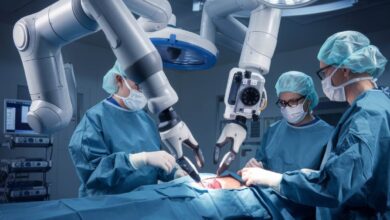
The Future of Cardiac Care
From Conventional Screening to the Era of Intelligent Diagnosis
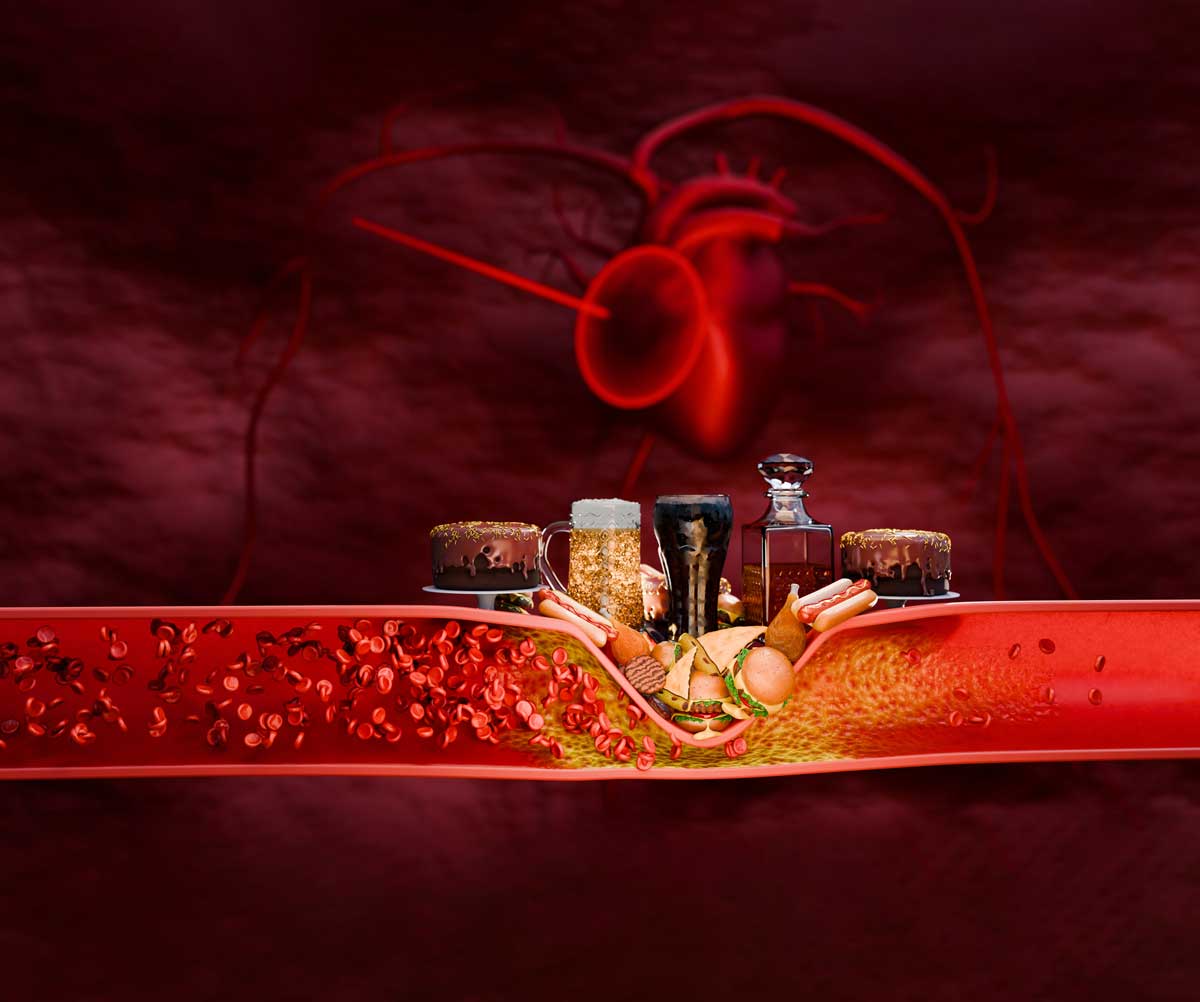
Modern strategies to combat cardiovascular disease rest on two fundamental pillars. The first is primary prevention, which focuses on profound lifestyle modifications and strict control of risk factors. The second is systematic, periodic screening, including continuous assessment of blood pressure, cholesterol levels, and glucose metabolism. These traditional measures aim to detect functional disturbances at their earliest stage, before they progress to irreversible cardiac damage.
Alongside conventional screening, artificial intelligence-driven diagnostic technologies have triggered a paradigm shift in early disease detection. These systems possess a remarkable capacity to analyze advanced imaging with a level of precision that often surpasses unaided human interpretation.
By leveraging predictive algorithms, artificial intelligence can process massive volumes of medical data to estimate the probability of heart attacks or strokes with high accuracy, offering physicians a critical opportunity for proactive intervention and for designing personalized treatment strategies that protect patients before a crisis occurs.
Routine medical check-ups are rightly considered the cornerstone of cardiovascular protection, particularly for adults over 40, when cumulative risk factors begin to manifest more clearly. The objective of these evaluations is not merely to identify disease after it appears, but to anticipate events through meticulous, continuous monitoring across three main domains.
Rigorous Blood Pressure Control
Modern blood pressure management goes far beyond occasional measurement. It has become a structured protocol aimed at maintaining optimal levels below 130/80 mmHg. Adherence to this target protects delicate arterial walls from chronic mechanical stress and prevents complications such as cardiac hypertrophy and renal damage, conditions that often develop silently long before any overt clinical symptoms emerge.
In-Depth Lipid and Glycemic Profiling
Annual evaluations include comprehensive lipid testing, which extends beyond total cholesterol to include LDL, HDL, and triglycerides. This provides a precise assessment of the risk of atherosclerotic plaque deposition within arterial walls. In parallel, early detection of diabetes or prediabetes is vital, given the direct and destructive relationship between elevated blood glucose levels and vascular integrity.
Advanced Techniques for Intermediate Risk Assessment
For individuals classified as intermediate risk, meaning those without clear symptoms but with combined risk factors, advanced diagnostic tools such as coronary artery calcium scanning play a decisive role. This sophisticated CT-based examination provides a quantitative fingerprint of arterial calcification by accurately measuring the burden of hardened plaques.
It offers physicians a powerful predictive tool to estimate the likelihood of cardiac events over the next 10 years and to make informed decisions about early initiation of preventive therapies, such as statins.
Adherence to this structured screening strategy transforms medicine from a reactive attempt to repair damage into a comprehensive defensive approach that preserves cardiac and vascular function for as long as possible, improves quality of life, and dramatically reduces mortality from cardiovascular disease.
AI-Based Diagnostics: Redefining Predictive Cardiology
Artificial intelligence is no longer merely an auxiliary tool in medicine. It has become a genuine revolution in the precision of predicting cardiac disorders before they occur. Modern protocols rely on advanced algorithms capable of analyzing electrocardiograms and echocardiographic images to a depth beyond traditional human capabilities. These intelligent systems can detect hidden patterns within data, enabling the prediction of serious events such as sudden heart failure with accuracy rates ranging from 85 to 95 percent. This high level of precision grants physicians a critical window for early intervention and therapeutic course correction, potentially preventing devastating complications.
Coronary Artery Calcium Scoring
Coronary calcium scoring is considered one of the most accurate predictive tools in modern preventive cardiology. It is a rapid, targeted CT scan that takes only a few seconds to perform. Its diagnostic power lies in its ability to detect and quantify calcium deposits within the coronary arteries, an unmistakable marker of atherosclerotic plaque.
Based on the calcium score, physicians can accurately stratify patients into risk categories and make informed decisions about early, intensive preventive treatment for individuals who may appear clinically healthy but harbor silent, life-threatening arterial disease.
Coronary CT Angiography: The Virtual Catheterization
Coronary CT angiography represents a breakthrough in non-invasive cardiac imaging. It is often referred to as virtual catheterization. This technique involves intravenous contrast injection followed by ultra-fast CT imaging to generate high-resolution, three-dimensional images of the coronary arteries.
What distinguishes this modality is not only its ability to detect stenoses but also its ability to analyze plaque composition. It allows clinicians to identify vulnerable or soft plaques that are prone to rupture and cause sudden thrombosis, a feature that conventional catheterization, which focuses primarily on the degree of narrowing, cannot reliably reveal.
Cardiac Magnetic Resonance Imaging
Cardiac magnetic resonance imaging is widely regarded as the gold standard for evaluating cardiac structure and function without exposure to ionizing radiation. It provides unparalleled visualization of myocardial tissue, enabling precise identification of scars from prior infarctions and highly accurate diagnosis of myocarditis.
Furthermore, cardiac MRI plays a crucial role in uncovering the underlying causes of cardiomyopathies and heart failure. It delivers detailed information about chamber volumes, blood flow, and tissue elasticity, making it an indispensable tool in planning complex therapeutic strategies.
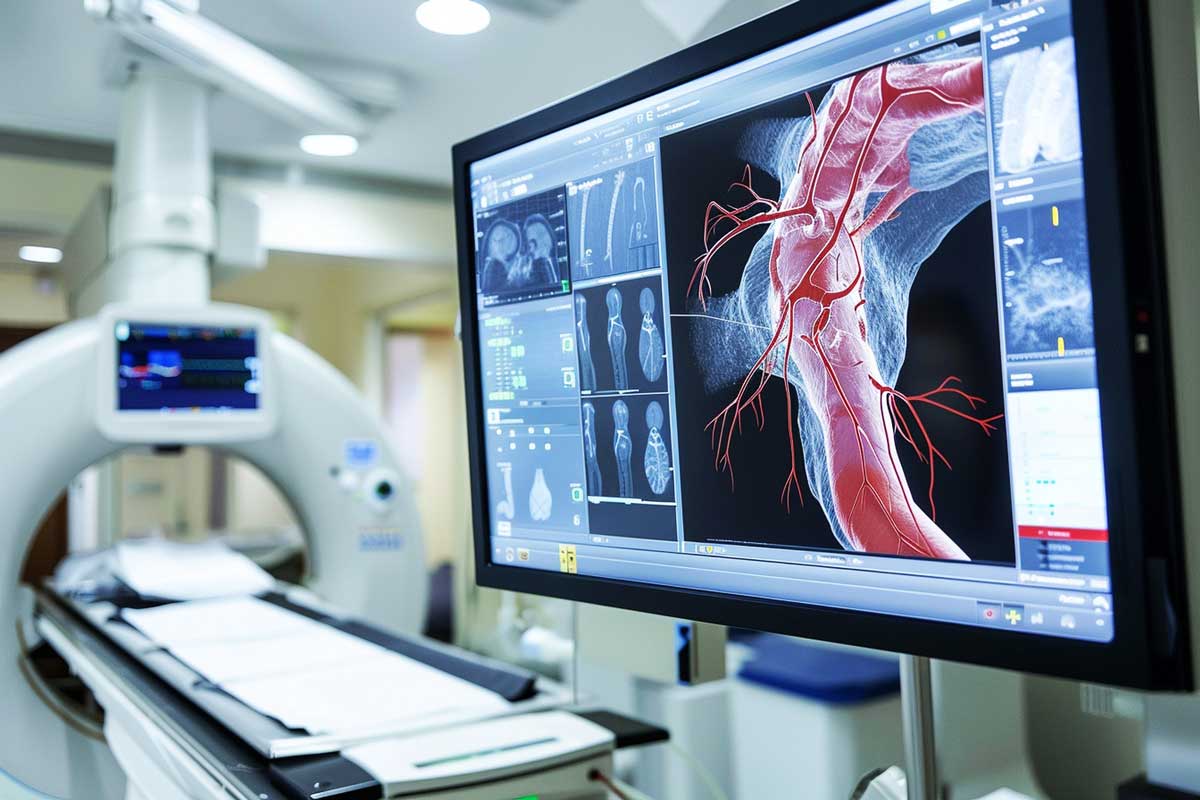
Advanced Echocardiography: Strain Imaging
Modern echocardiography (ultrasound imaging of the heart) has moved beyond merely assessing global pumping efficiency to incorporate myocardial strain imaging. This sophisticated technique tracks the microscopic motion of myocardial (heart muscle) fibers during contraction and relaxation. It allows detection of subtle dysfunction at a very early stage, well before overall cardiac performance is compromised.
Its importance is particularly evident in patients with diabetes or those undergoing chemotherapy, as it provides an early warning signal that enables timely intervention to protect the myocardium before irreversible damage occurs.
AI-Powered Analytics in Cardiovascular Diagnosis
Artificial intelligence has entered clinical practice as an exceptionally powerful assistant in analyzing conventional diagnostic data, such as ECG recordings. AI algorithms can now interpret subtle digital signals that escape the human eye. This enables prediction of conditions such as atrial fibrillation or silent myocardial dysfunction with accuracy exceeding 90 percent. This form of diagnosis transforms simple data into powerful predictive instruments and empowers healthcare providers to develop personalized preventive strategies based on each patient’s unique digital biological signature.
Digital Monitoring and Wearable Technologies
Diagnosis is no longer confined to the clinic visit. It has expanded into the patient’s daily life through continuous cardiac rhythm monitoring technologies. These include wearable devices and implantable systems, such as loop recorders, capable of tracking heart rhythm over extended periods, potentially years. This continuous flow of data allows physicians to detect intermittent or silent arrhythmias and to intervene before they evolve into major clinical events.
A New Era of Preventive Cardiology
Cardiovascular medicine is undergoing a profound transformation. What was once a discipline focused primarily on treating complications after they occur is now becoming a science of anticipation, precision, and prevention. The convergence of advanced imaging, continuous digital monitoring, and artificial intelligence is redefining how risk is identified, how disease is intercepted, and how lives are ultimately protected.
Today, the heart is no longer assessed through isolated moments in time, but through a continuous, intelligent, and deeply personalized medical perspective. This shift does not merely improve diagnostic accuracy. It fundamentally changes the philosophy of care, moving it from a reactive to a foresight-based approach and from generalized protocols to individualized strategies.
As one guiding principle increasingly defines the future of cardiovascular medicine:
“The greatest victory in cardiology is not saving a heart after it fails, but preventing it from ever reaching the point of failure.”