Kamel Ghribi and the Architecture of Global Healthcare
Inside the GKSD ecosystem shaping the future of medicine, infrastructure, and international collaboration
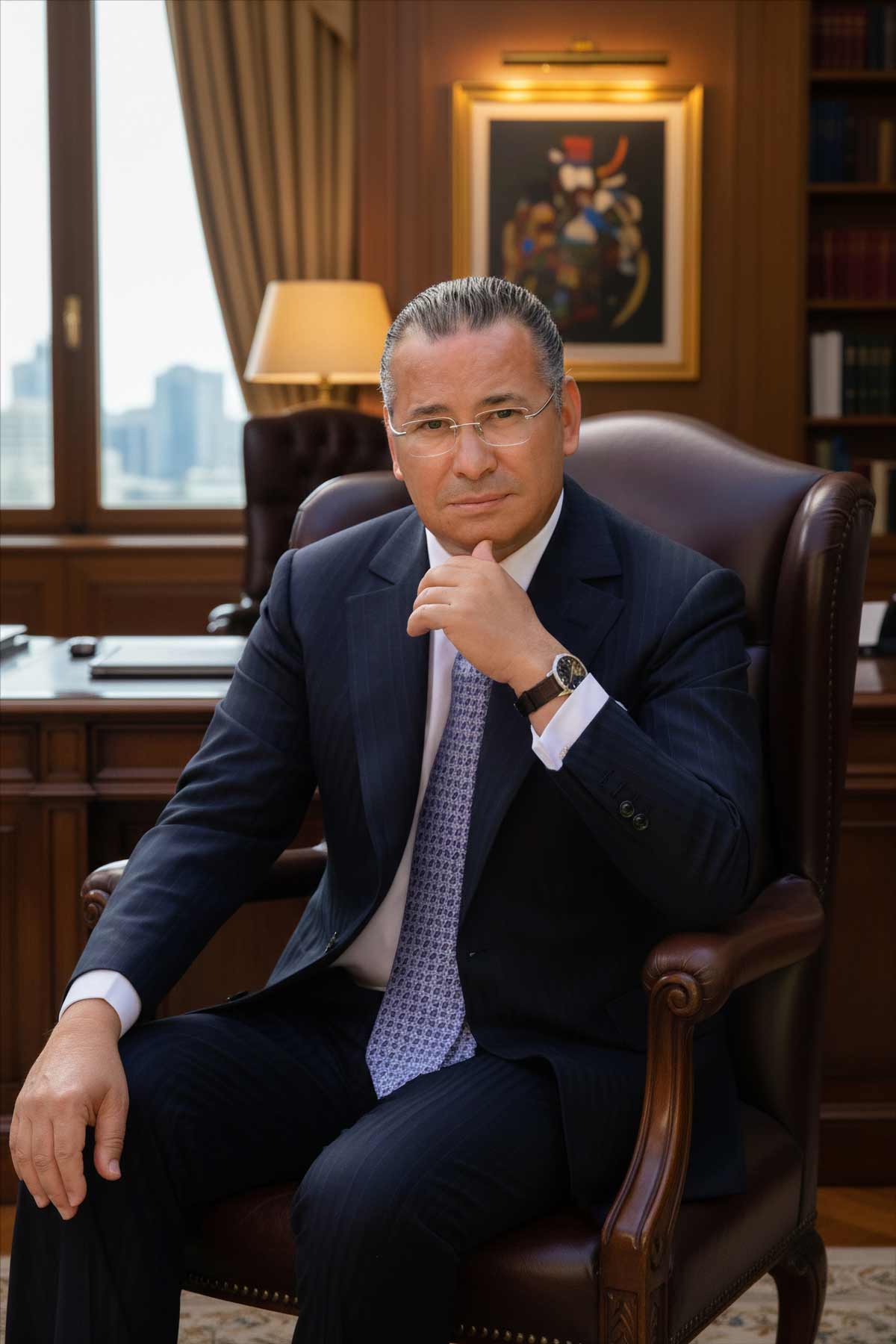
Across the modern landscape of global healthcare and infrastructure investment, only a handful of individuals operate comfortably at the intersection of medicine, finance, diplomacy, and large-scale development. Among them is Kamel Ghribi, the entrepreneur and international investor whose work spans hospitals, research institutions, infrastructure projects, and cross-border partnerships across Europe, the Middle East, and Africa.
Through GKSD Investment Holding, Ghribi has assembled a network of projects and institutions that reach far beyond the scope of a traditional investment firm. Hospitals, medical academies, sustainable infrastructure developments, and urban redevelopment initiatives all form part of a broader vision in which healthcare becomes a platform for economic development, innovation, and international cooperation. At the center of this ecosystem lies a simple but powerful idea: the future of healthcare will not be defined by medicine alone. It will be shaped by the convergence of science, technology, architecture, hospitality, education, and global partnerships.
From Tunisia to the Global Stage
The international career of Kamel Ghribi
Kamel Ghribi’s career began far from the hospital sector. Born in the Tunisian city of Sfax, he entered the professional world through the international oil and energy industry, working across Europe, the Middle East, and the United States. The sector exposed him early to the dynamics of global markets, an environment defined by geopolitical complexity, large-scale infrastructure projects, and long-term strategic partnerships.
Those early experiences shaped the entrepreneurial approach that would later define his work. Energy markets require the ability to navigate multiple regulatory environments, manage large investments, and coordinate with governments, corporations, and financial institutions simultaneously. The same skills would later prove essential as Ghribi expanded his focus into healthcare systems and infrastructure development.
Over time, his activities broadened beyond the energy sector into investment, infrastructure development, and healthcare systems. Today, he holds several leadership positions that connect him to one of Europe’s most influential medical ecosystems.
Today, Kamel Ghribi occupies a series of leadership positions that place him at the crossroads of global healthcare, investment, and international cooperation.
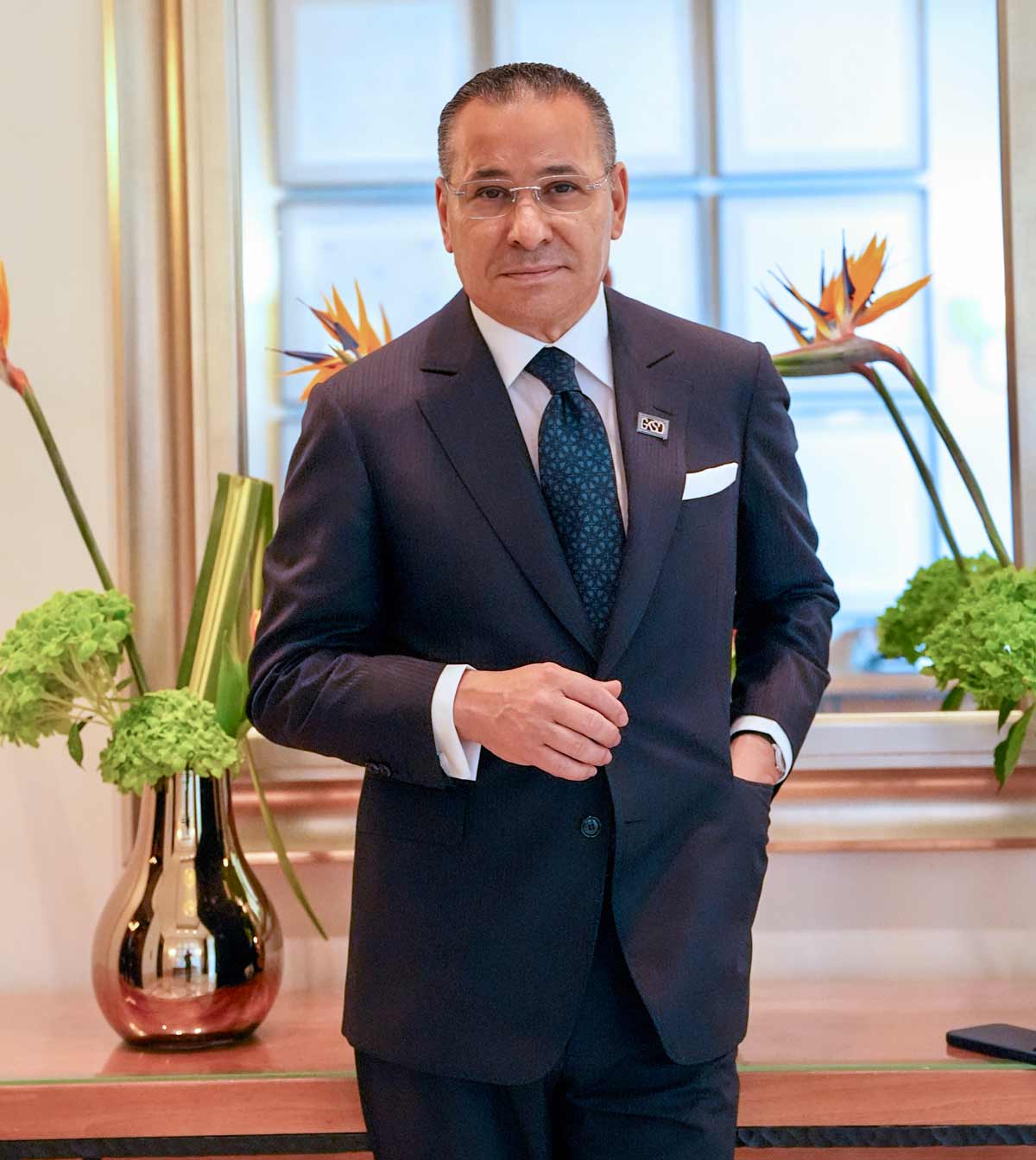
He serves as President of GKSD Investment Holding, the international investment and project platform driving many of his initiatives. He is also Vice President of Gruppo San Donato, Italy’s largest private hospital group and one of Europe’s most influential healthcare systems. Beyond these roles, Ghribi chairs Hospital Healthcare Holdings (HHH), a platform designed to build a new generation of premium hospitals worldwide, while also leading the European Council on Africa and the Middle East (ECAM), an organization dedicated to fostering strategic cooperation and development between the two regions.
Together, these positions place him at the intersection of medicine, infrastructure, investment, and diplomacy. These roles connect him simultaneously to clinical research institutions, hospital networks, international investment platforms, and diplomatic initiatives. The result is a network of influence spanning multiple sectors but anchored in a central mission: expanding access to advanced healthcare systems worldwide.
GKSD Investment Holding: A Platform Built for Complex Projects
From capital to execution
At the core of Ghribi’s global ecosystem stands GKSD Investment Holding, a group designed not simply to finance projects but to bring them to life.
Many investment firms focus on identifying opportunities and providing capital. GKSD takes a different approach. The company positions itself as a multidisciplinary project platform capable of supporting complex developments from their earliest concept through their long-term operation.
This approach reflects a broader shift in global infrastructure. Hospitals, research centers, and urban developments are no longer standalone projects. They are complex ecosystems requiring expertise across numerous disciplines.
Healthcare infrastructure projects are among the most complex developments in modern economies. Building a hospital, for example, requires far more than construction alone. It involves coordinating multiple layers of expertise, including:
- Clinical planning and medical program design
- Architectural and engineering development
- Procurement of specialized medical technologies and equipment
- Digital health systems and data integration
- Education and training programs for healthcare professionals
- Operational management structures capable of running large medical institutions
- Long-term governance and financing frameworks that ensure sustainability
By integrating these elements under one organizational structure, GKSD aims to create an environment in which projects can move seamlessly from idea to execution.
The group operates across several sectors, including healthcare development, engineering and construction, strategic consulting, procurement services, and sustainable energy solutions. This diversity is not accidental. It reflects a strategy centered on integration rather than specialization, where the goal is to control the connections between different parts of a project rather than focusing on a single component.
The Italian Healthcare Ecosystem
Gruppo San Donato and scientific excellence
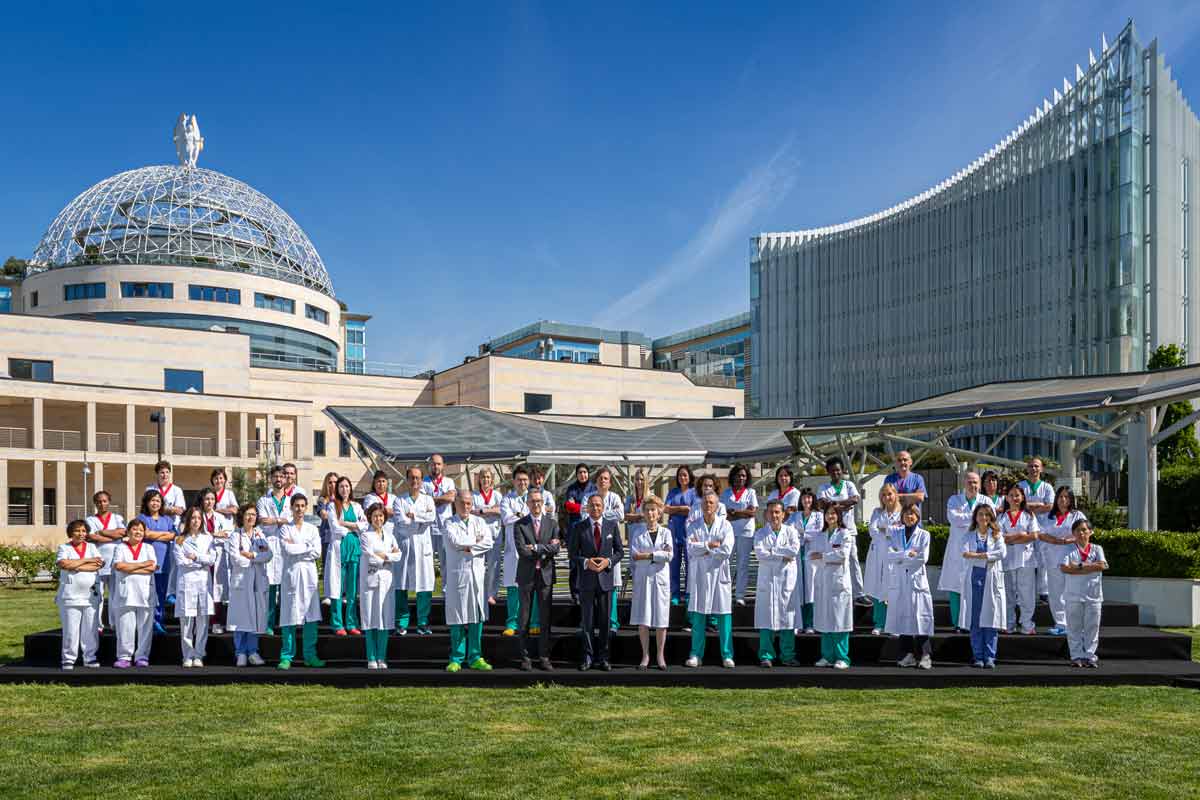
A crucial pillar supporting GKSD’s healthcare ambitions is its connection to Gruppo San Donato (GSD), the largest private healthcare network in Italy. Founded in 1957, the group has grown into one of Europe’s most significant medical ecosystems. Its network includes hospitals, clinics, and research institutions that together treat millions of patients each year. The scale of the system is remarkable. Across its facilities, Gruppo San Donato manages over 160 healthcare institutions, treating more than five million patients annually and employing thousands of physicians and healthcare professionals. Central to this ecosystem is Vita-Salute San Raffaele University, an internationally recognized center for biomedical research. The institution integrates clinical care, medical education, and scientific investigation within a single academic environment, creating a powerful feedback loop between research and patient care. This integration of clinical practice, research, and education forms the scientific backbone for many of the international healthcare initiatives associated with GKSD.
Hospital Healthcare Holdings: A New Category of Healthcare
Where medical excellence meets hospitality
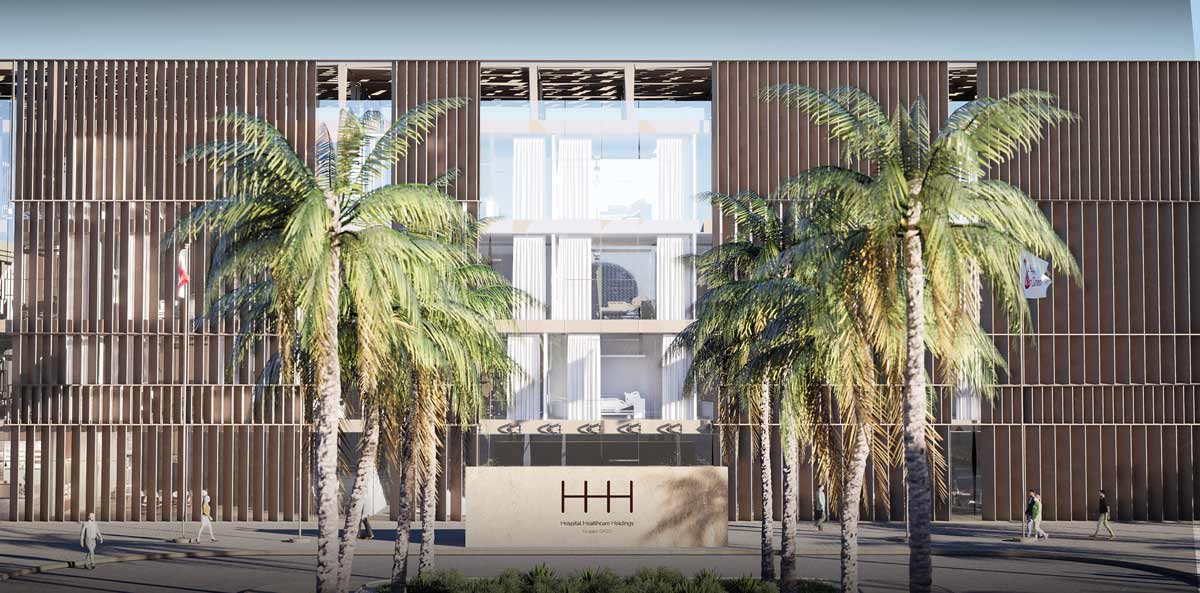
Among the most ambitious initiatives emerging from the GKSD ecosystem is Hospital Healthcare Holdings (HHH).
Rather than positioning itself as another hospital operator, HHH introduces a new concept that merges world-class medicine with luxury hospitality standards.
The idea reflects a growing recognition within healthcare: the patient experience is becoming as important as clinical outcomes.
Hospitals historically focused primarily on efficiency and treatment. Yet modern patients, particularly those traveling internationally for specialized care, expect environments that provide comfort, privacy, and personalized service. HHH responds to this shift by creating healthcare facilities designed to combine the rigor of medical institutions with the atmosphere of high-end hospitality. Within these facilities, patients may encounter:
- Dedicated healthcare concierge services
- Private suites designed to luxury hotel standards
- Seamless digital platforms managing the entire patient journey
- Telemedicine systems connecting international specialists
- Wearable technologies monitoring health in real time
This integration creates an environment in which medical care becomes part of a broader experience centered on comfort, trust, and personalization.
Longevity Medicine & the Future of Healthcare
Moving from treatment to prevention
Another defining aspect of the HHH concept lies in its focus on future-oriented medicine, particularly the rapidly expanding field of longevity science. Modern healthcare is increasingly shifting away from reactive treatment toward preventive and personalized approaches. Advances in biotechnology, genomics, and digital diagnostics are allowing physicians to detect diseases earlier and tailor treatments to individual patients. HHH aims to place itself at the forefront of this transformation. The platform integrates technologies and medical fields that represent the next frontier of healthcare innovation. These include genomics and precision medicine, artificial intelligence-based diagnostics, robotic surgical systems, gene therapies, and regenerative treatments involving stem cells. In addition to traditional medical services, the platform explores a range of longevity-focused programs designed to extend healthy lifespan. These may include biological age testing, regenerative therapies, performance optimization programs, cryotherapy treatments, and hyperbaric oxygen therapy. The rise of these services reflects two powerful global trends. First, populations around the world are aging, creating growing demand for preventive healthcare solutions. Second, international travel for specialized treatments, often referred to as medical tourism, is expanding rapidly. Together, these trends are reshaping how healthcare systems operate and how patients choose where to receive treatment.
A Global Expansion Strategy
Building healthcare networks across continents
To expand internationally, HHH relies on a flexible operating structure capable of adapting to different regulatory and economic environments. Instead of relying exclusively on owning hospitals outright, the platform works through multiple partnership models. In some cases, HHH may directly develop and operate a facility. In others, it may manage hospitals owned by governments or private partners. In still others, it may provide branding, expertise, and operational standards to local healthcare providers. This flexibility allows the platform to grow through a combination of private investment, public-private partnerships, and international collaborations.
Such frameworks are particularly important in emerging markets, where healthcare infrastructure often requires both financial investment and operational expertise.
Transforming Cities Through Healthcare Infrastructure
GKSD’s global project portfolio
GKSD’s project portfolio demonstrates how its strategic vision translates into real-world developments across multiple regions.
In Tirana, the group is developing a large hospital complex designed not only as a medical facility but also as an architectural landmark within the city. The building spans more than 23,000 square meters, rising across fifteen floors while incorporating terraces and greenery to soften its visual impact. At ground level, commercial spaces serve hospital visitors and staff, while the top floor offers a panoramic restaurant overlooking the city. The design reflects an approach in which hospitals become integrated elements of urban life rather than isolated clinical structures.
In Benghazi, the group has developed a Medical Training Academy, dedicated to strengthening healthcare education and professional development. The academy includes lecture halls, conference spaces, research facilities, and student services, providing a platform for international medical training programs. Nearby, a modular hospital project has been designed to expand gradually as local healthcare needs grow. Initially accommodating one hundred beds, the facility can expand to two hundred and fifty beds through modular architectural design.
The project includes emergency departments, operating theaters, intensive care units, diagnostic imaging facilities, dialysis centers, and rehabilitation services.
Elsewhere, in Baghdad, GKSD is involved in a redevelopment project that transforms a historic structure into a modern hospital complex combined with retail and hospitality spaces. The development seeks to symbolize renewal, turning a site once associated with conflict into a place dedicated to healing and community life.
Business as a Bridge Between Regions
Beyond corporate strategy, Kamel Ghribi’s work reflects a broader philosophy about the role of business in global society. Through initiatives such as the European Council on Africa and the Middle East, he promotes dialogue and cooperation between governments, investors, academic institutions, and healthcare organizations. These initiatives aim to encourage collaboration in areas including healthcare development, education, energy infrastructure, and sustainable economic growth. In this sense, GKSD’s projects function not only as commercial ventures but also as platforms for international cooperation and regional development.
A Strategic Focus on the Mediterranean and MENA Region
Many of GKSD’s projects are concentrated across the Mediterranean basin and the Middle East and North Africa region. These regions present significant opportunities for healthcare infrastructure development due to expanding populations, rapid urbanization, and increasing demand for advanced medical services. However, projects in these environments also require deep understanding of local political, economic, and cultural contexts. By combining international expertise with regional partnerships, GKSD aims to position itself as a trusted partner for governments seeking to modernize healthcare systems and infrastructure.
Toward a New Global Healthcare Paradigm
The healthcare systems of the twenty-first century face unprecedented challenges. Aging populations, technological disruption, and rising patient expectations are forcing institutions to rethink how medical services are delivered. Platforms such as GKSD and HHH represent one possible answer to these challenges. By combining scientific research, advanced technology, architectural design, luxury hospitality, and international partnerships, they attempt to redefine what healthcare environments can become.
A Vision Still in Motion
The GKSD ecosystem already spans hospitals, research institutions, training academies, infrastructure projects, and global partnerships. Whether through new hospitals in European capitals, medical academies in North Africa, or energy infrastructure projects in emerging markets, the group’s activities reflect an ambition that extends beyond traditional business models. For Kamel Ghribi, the goal appears clear: to build an interconnected global ecosystem in which healthcare becomes a catalyst for innovation, development, and international cooperation. The story of that ecosystem is still unfolding, but its architecture is already taking shape.