Inside The Digestive System
The Growing Impact of Gastrointestinal Diseases and the Path to Better Care
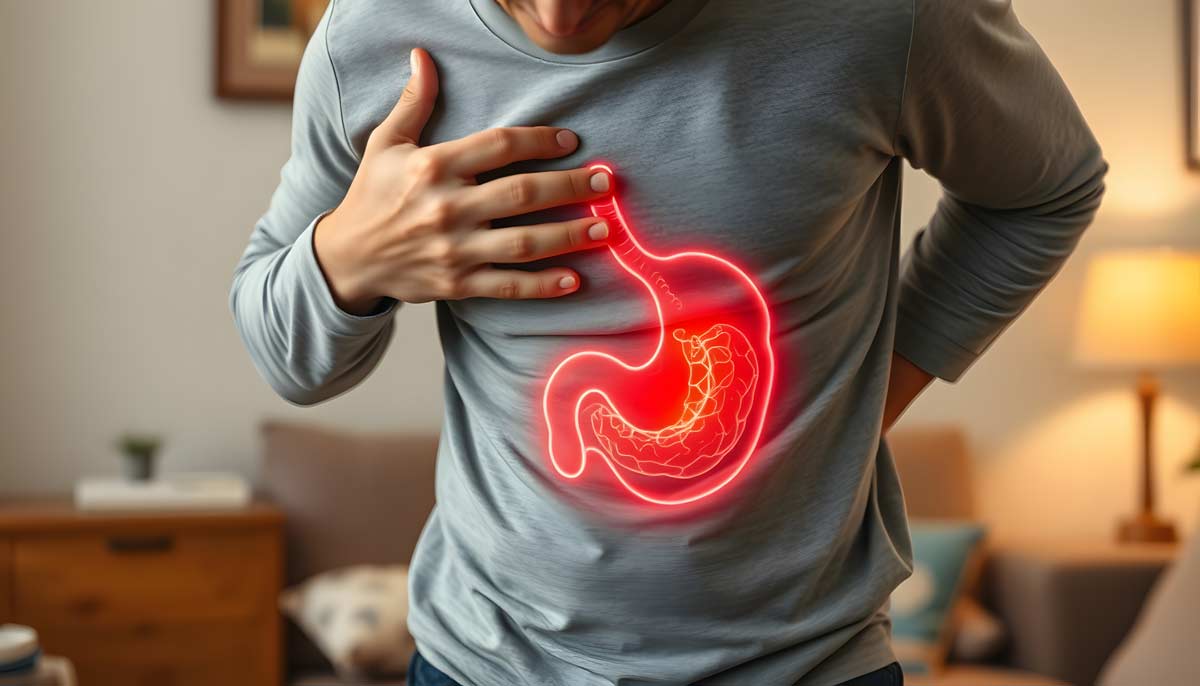
Gastrointestinal diseases today represent a broad and complex spectrum of health conditions that extend far beyond the digestive tract itself. In addition to affecting the esophagus, stomach, and intestines, these disorders frequently involve vital organs such as the liver, pancreas, and gallbladder. Their severity varies widely, from mild and temporary disturbances that resolve spontaneously to chronic and potentially life-threatening illnesses that significantly impact patients’ physical and psychological well-being. As a result, gastrointestinal diseases place a considerable burden on healthcare systems worldwide, particularly due to the long-term care required for many of these conditions.
The growing prevalence of digestive disorders is closely linked to profound shifts in modern lifestyles. Increased reliance on processed foods high in sugars and unhealthy fats, combined with reduced consumption of fiber-rich natural foods, has contributed to biological imbalances within the digestive system. This dietary shift, alongside sedentary habits and prolonged screen time, has created an environment in which digestive and metabolic disturbances have become increasingly common.
At the same time, rising life expectancy, while representing a major medical achievement, has also revealed a higher prevalence of age-related digestive conditions and chronic inflammatory disorders. Consequently, gastrointestinal diseases are no longer confined to a particular age group; they are now observed across all generations, from children to older adults. This trend underscores the need for preventive and therapeutic approaches capable of addressing the environmental and biological challenges of the twenty-first century.
Gastroesophageal Reflux Disease (GERD)
Gastroesophageal reflux disease is a chronic condition that occurs when the lower esophageal sphincter fails to close properly, allowing stomach acid to flow back into the esophagus. This repeated acid exposure irritates the delicate mucosal lining, leading to the well-known sensation of heartburn, which often worsens after heavy meals or when lying down.
Symptoms extend beyond heartburn alone. Many patients experience difficulty swallowing, a persistent sensation of a lump in the throat, and even respiratory manifestations such as chronic dry cough or worsening asthma. These symptoms occur when acidic contents reach the upper airways, sometimes complicating the diagnostic process by mimicking respiratory conditions. If left untreated, GERD may lead to serious complications including esophageal narrowing caused by scar tissue or Barrett’s esophagus, a condition in which the lining of the esophagus undergoes cellular changes that increase the risk of cancer. Effective management of acid reflux is therefore not merely a matter of symptom relief but a critical preventive strategy for long-term health.
Peptic Ulcer Disease
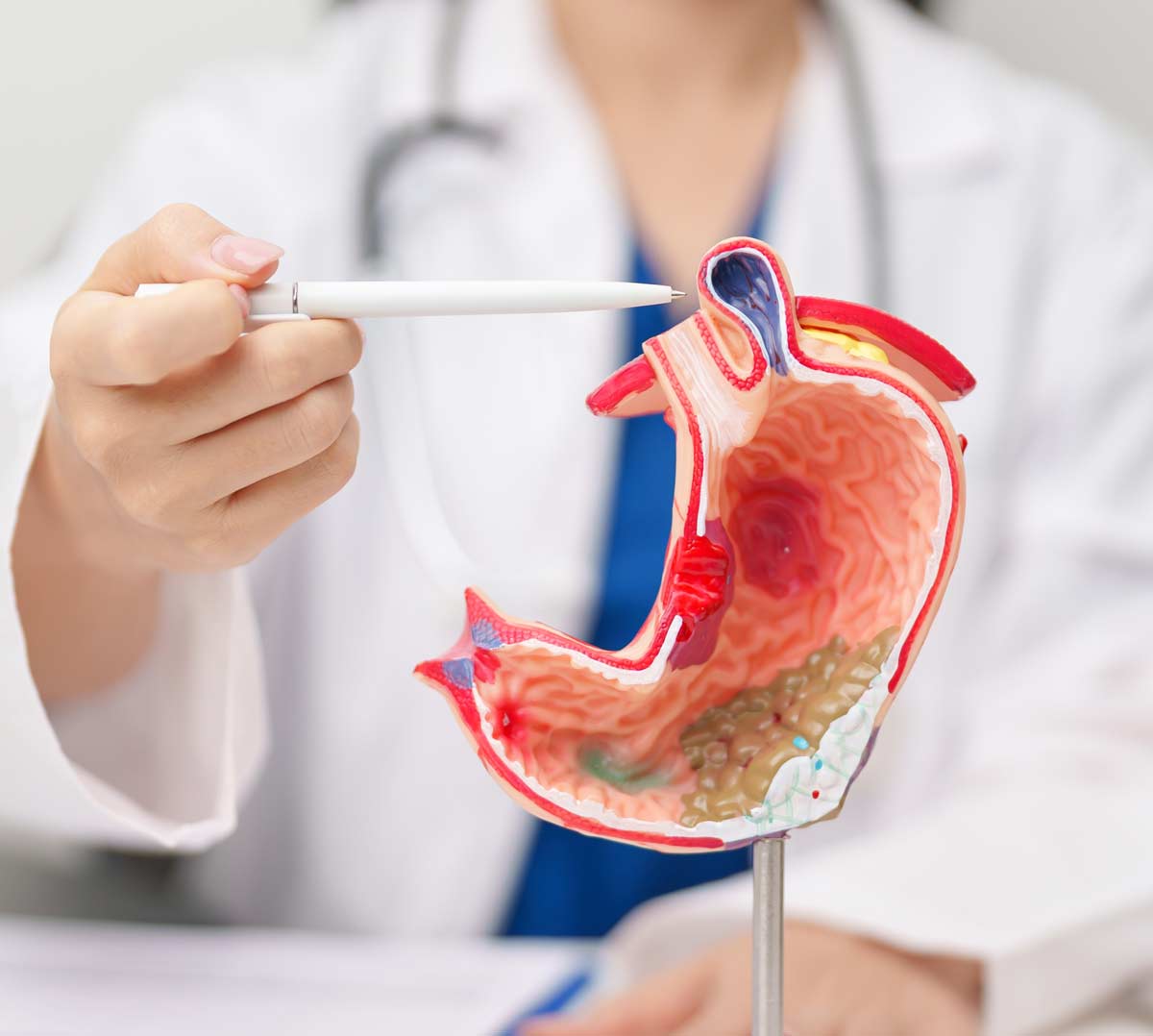
Peptic ulcer disease is characterized by open sores that develop in the inner lining of the stomach or the first segment of the small intestine, known as the duodenum. These ulcers form when the protective mucous layer of the digestive tract is eroded by strong digestive acids, leaving underlying tissues vulnerable to damage. The most common causes include infection with the bacterium Helicobacter pylori (H. pylori) and prolonged use of non-steroidal anti-inflammatory drugs (NSAIDs) such as aspirin and ibuprofen. Symptoms typically include burning stomach pain, nausea, and a feeling of fullness. In some cases, discomfort may temporarily improve after eating certain foods or taking antacid medications.
Complications can arise when ulcers bleed internally, presenting as vomiting blood or passing dark, tar-colored stools. In rare but severe cases, ulcers may perforate the stomach wall, creating a medical emergency that requires immediate surgical intervention. Modern treatment strategies focus on eradicating the bacterial infection and eliminating aggravating medications to allow the affected tissues to heal.
Irritable Bowel Syndrome (IBS)
Irritable bowel syndrome is one of the most common functional gastrointestinal disorders, affecting the large intestine. Unlike inflammatory diseases, IBS does not involve structural damage to the digestive tract. Instead, it results from disturbances in the communication between the brain and the gut or abnormalities in intestinal muscle contractions. These disruptions make the digestive system unusually sensitive to ordinary stimuli such as certain foods or psychological stress. Symptoms vary widely among individuals and may include abdominal cramps, bloating, excessive gas, and changes in bowel habits such as diarrhea, constipation, or alternating patterns of both.
Although IBS does not lead to serious diseases such as cancer, its recurrent episodes can significantly affect quality of life. Management often focuses on stress reduction, dietary modifications, such as the low-FODMAP diet, and regular physical activity to support healthy intestinal function.
Inflammatory Bowel Diseases (IBD)
Inflammatory bowel diseases, including Crohn’s disease and ulcerative colitis, differ fundamentally from IBS. These conditions arise from abnormal immune responses that cause chronic inflammation and damage to the digestive tract.
Ulcerative colitis primarily affects the colon, while Crohn’s disease can involve any segment of the gastrointestinal tract from the mouth to the anus. Patients often experience severe and debilitating symptoms including persistent diarrhea, which may contain blood, intense abdominal pain, fatigue, unexplained weight loss, and fever during inflammatory flare-ups.
Managing these diseases requires continuous medical supervision and advanced therapeutic approaches such as immunosuppressive medications and targeted biological therapies that control inflammatory activity. When medications fail or complications such as intestinal obstruction occur, surgical intervention may be necessary to remove severely affected portions of the intestine.
Liver Diseases
The liver functions as the body’s central biochemical factory, responsible for detoxifying harmful substances and producing essential proteins. A wide range of conditions can affect this vital organ, from non-alcoholic fatty liver disease, often associated with obesity and diabetes, to viral hepatitis infections (A, B, and C) that directly damage liver cells.
Liver diseases often develop silently in their early stages, with few noticeable symptoms. As the condition progresses, however, patients may develop jaundice, swelling of the legs and abdomen, and severe itching. Advanced damage can lead to cirrhosis, a condition in which healthy liver tissue is replaced by scar tissue, impairing the organ’s ability to perform essential functions.
Preventive measures, including vaccination against viral hepatitis and maintaining a healthy lifestyle, are crucial. In advanced cases of liver failure or liver cancer, transplantation may become the only viable treatment option.
Gallbladder and Pancreatic Disorders
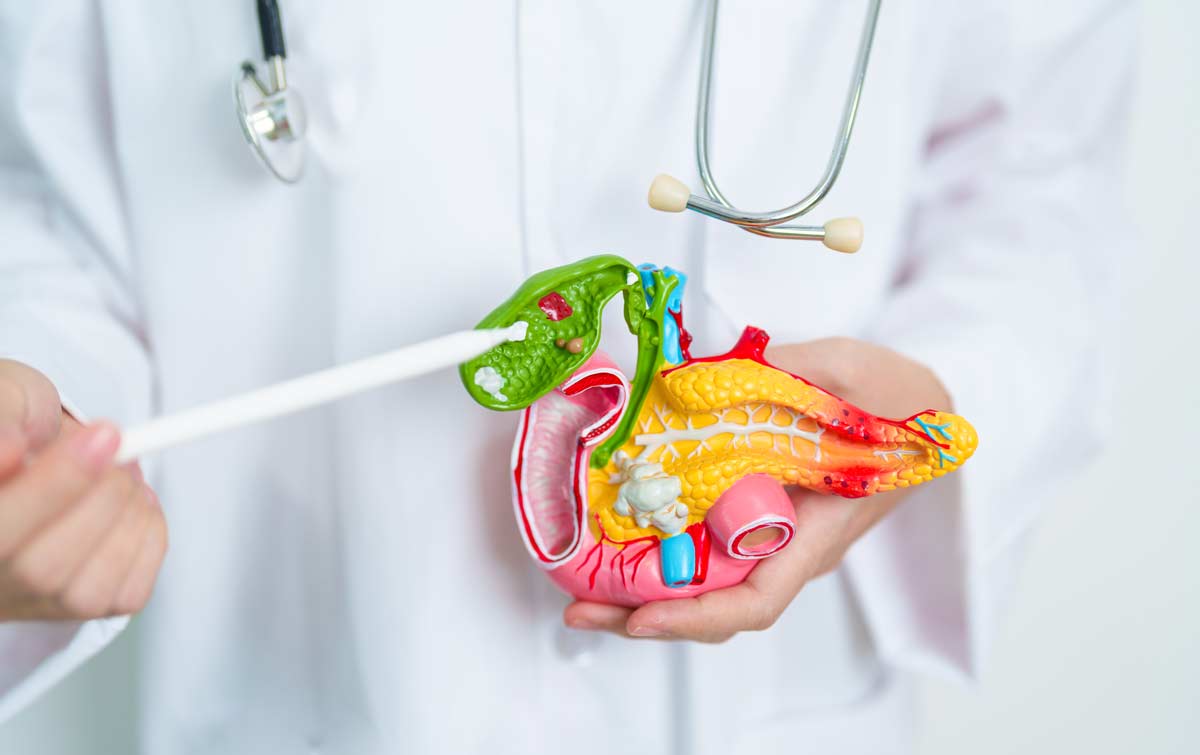
The gallbladder and pancreas play essential roles in digestion. The gallbladder stores bile needed to break down fats, while the pancreas produces digestive enzymes and hormones such as insulin. Gallstones are among the most common gallbladder conditions.
These stones can obstruct bile ducts and cause sudden, intense pain in the upper right abdomen. Pancreatitis, on the other hand, can occur in acute or chronic forms and may be life-threatening. It often results from gallstones blocking the pancreatic duct or from excessive alcohol consumption.
Pancreatic pain is typically severe and radiates toward the back, often accompanied by persistent nausea and vomiting. Accurate diagnosis is essential, as ductal obstruction can lead to serious infections or pancreatic tissue damage. Treatment may range from temporary fasting to allow the organs to recover, to surgical procedures that remove gallstones or relieve blocked ducts.
Colorectal Cancer
Colorectal cancer typically begins as a small non-cancerous growth called a polyp that forms on the inner lining of the colon. Over time, some polyps may develop into malignant tumors, making this form of cancer one of the most preventable when detected early.
Early stages often present no symptoms. As the disease progresses, patients may experience persistent changes in bowel habits, including prolonged diarrhea or constipation, blood in the stool, abdominal discomfort, and unexplained anemia caused by slow internal bleeding.
Routine screening, particularly colonoscopy, remains the gold standard for prevention. This procedure enables physicians to detect and remove polyps before they become cancerous. Early detection not only saves lives but also allows for less aggressive treatment and significantly higher recovery rates.
Risk Factors Affecting Digestive Health
Several behavioral and biological factors contribute to the development of gastrointestinal diseases. Unhealthy diets high in saturated fats and low in dietary fiber play a central role in disrupting normal digestive function. Obesity and physical inactivity further slow metabolic processes and promote fat accumulation around vital organs such as the liver.
Smoking, excessive alcohol consumption, and chronic psychological stress also exert harmful effects on the digestive system, including disruptions to the gut microbiome. Genetic predisposition and family history may increase susceptibility to certain conditions, while prolonged or inappropriate use of medications, particularly non-steroidal anti-inflammatory drugs, can damage the protective lining of the digestive tract and increase the risk of ulcers.
Warning Signs That Require Medical Attention
While many digestive complaints are temporary, certain symptoms should never be ignored.
Persistent abdominal pain, unexplained weight loss, and difficulty swallowing may indicate underlying conditions that require immediate evaluation.
The presence of blood in the stool or vomit, chronic diarrhea or constipation that does not respond to standard treatment, and jaundice, characterized by yellowing of the skin and eyes, are also serious warning signs. Early medical consultation allows physicians to establish an accurate diagnosis and initiate treatment before complications arise.
Modern Diagnostic Technologies
Advances in medical technology have greatly improved the diagnosis of gastrointestinal diseases. Initial evaluations typically include comprehensive blood tests and stool analyses, followed by imaging techniques such as ultrasound, computed tomography (CT), and magnetic resonance imaging (MRI) to obtain detailed views of internal organs.
For direct visualization, physicians may use endoscopic procedures or capsule endoscopy. Additional technologies such as FibroScan allow non-invasive assessment of liver fibrosis. Preventive colonoscopy screening is strongly recommended beginning at age 45, or earlier for individuals with hereditary risk factors, as a critical measure for early cancer detection.
Treatment Approaches and Lifestyle Modifications
Successful management of gastrointestinal diseases relies heavily on comprehensive strategies that begin with lifestyle changes. A balanced diet rich in fiber supports healthy bowel function, while maintaining a healthy weight and engaging in regular physical activity reduces strain on vital organs.
Smoking cessation and limiting alcohol consumption are essential steps in restoring the digestive system’s protective lining and preventing long-term liver damage. These lifestyle measures create an optimal environment for medical therapies to achieve the best outcomes.
Pharmacological Therapies and Advanced Surgical Interventions
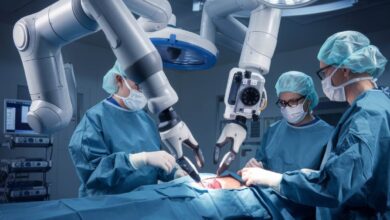
Pharmacological treatments have become increasingly precise and personalized. Proton pump inhibitors (PPIs) are widely used to control gastric acid production, antibiotics target bacterial infections such as H. pylori, and advanced biological therapies are employed to regulate immune-mediated inflammation. When deeper intervention is required, minimally invasive surgical techniques have revolutionized treatment options.
Laparoscopic procedures allow surgeons to perform complex operations with remarkable precision while minimizing recovery time, reducing postoperative pain, and lowering the risk of complications, allowing patients to return to their daily lives more quickly.
Prevention and the Future of Digestive Healthcare
Healthcare systems worldwide are increasingly shifting from treatment toward prevention in order to reduce the burden of digestive diseases. This transition includes promoting regular cancer screenings, expanding vaccination programs for viral hepatitis, and strengthening public awareness about healthy nutrition and early management of metabolic disorders.
Modern medicine is also moving toward precision healthcare, in which treatment strategies are tailored to each patient based on genetic characteristics and biological responses. This personalized approach holds the promise of improving therapeutic outcomes while reducing unnecessary healthcare costs and resource waste.