Our role extends beyond delivering products to enabling knowledge transfer, clinical excellence, and sustainable business growth
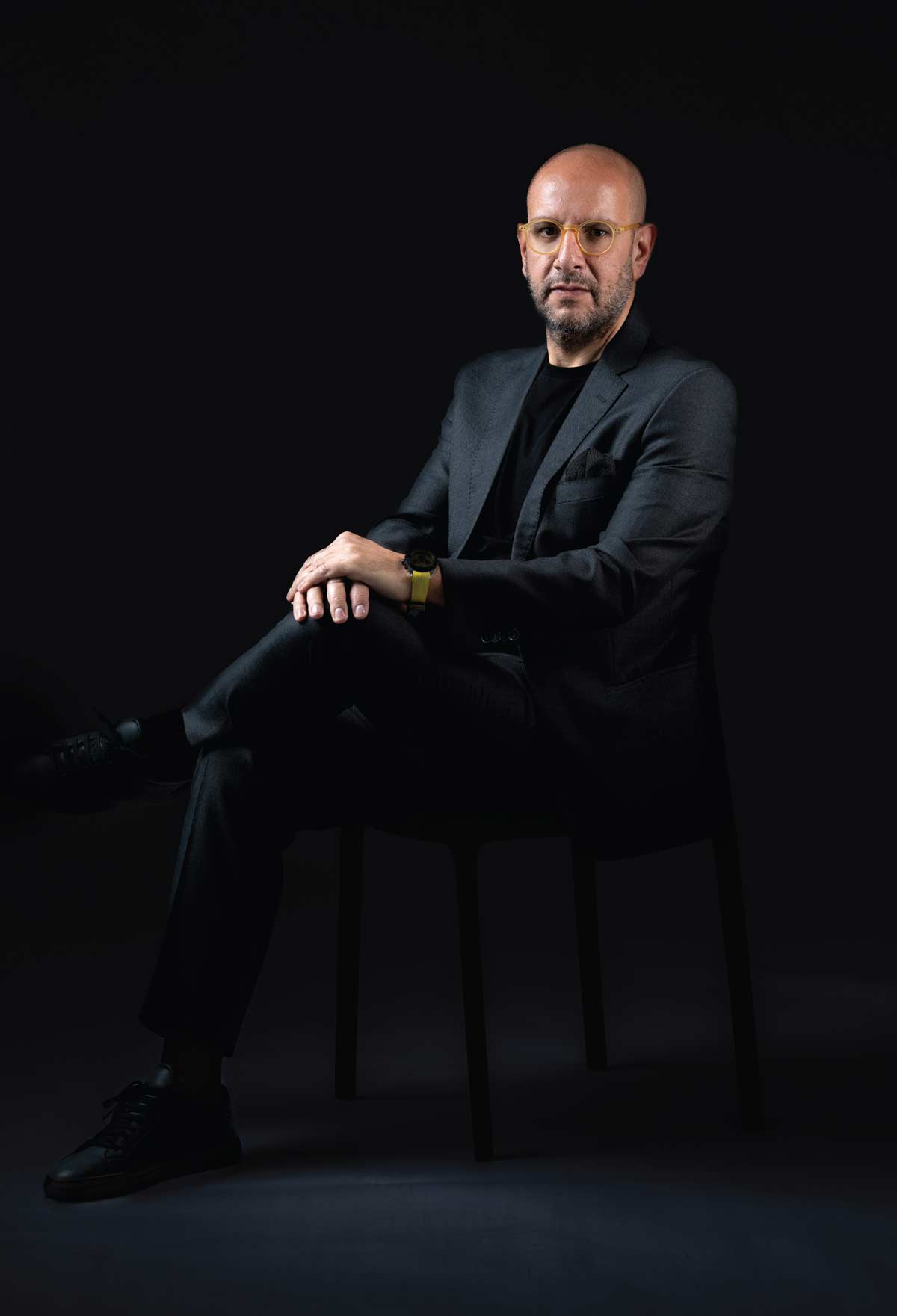
Medical aesthetics across the Middle East is entering a new era, one defined by scientific innovation, regenerative medicine, and a growing demand for natural, patient-centric outcomes. As healthcare professionals increasingly seek technologies that combine safety, efficacy, and evidence-based practice, the role of trusted regional partners has become more important than ever. At the forefront of this transformation is Medica, a company that has established itself as a leading force in bringing world-class aesthetic and breast health solutions to the region. Under the leadership of Group CEO Andre Daoud, Medica continues to expand its footprint while investing in physician education, strategic partnerships, and cutting-edge technologies that are shaping the future of aesthetic medicine.
In this exclusive interview with “HOSPITALS” Magazine, Andre Daoud shares Medica’s strategic vision, discusses the evolving landscape of healthcare distribution, explores emerging trends in aesthetic medicine and breast health, and explains how the company is driving innovation while strengthening clinical excellence across the Middle East.
As Group CEO, what strategic priorities are currently shaping Medica’s direction across the region?
At Medica, our strategic direction is guided by a clear vision: to advance medical aesthetics through scientific excellence, innovation, and meaningful partnerships with the medical community across the region.
Today, our priorities focus on two key pillars. First, we continue to strengthen our role as a partner of choice for healthcare professionals by investing in education, scientific exchange, and medical advisory platforms. Through regional symposia, training programs, and collaborations with global experts, we aim to continue to elevate clinical standards and support physicians in delivering safe, evidence-based outcomes.
Second, we are driving innovation in many areas, namely in breast health and aesthetic medicine by introducing advanced technologies and next-generation solutions that prioritize patient safety, tissue preservation, and natural aesthetic results. Our partnerships with leading global manufacturers reflect our commitment to bringing transformative medical solutions to the Middle East.
Ultimately, our strategy is centered on sustainable regional expansion, continuous innovation, and strengthening the trust we have built with the medical community, positioning Medica as a catalyst for progress in the field of medical aesthetics.
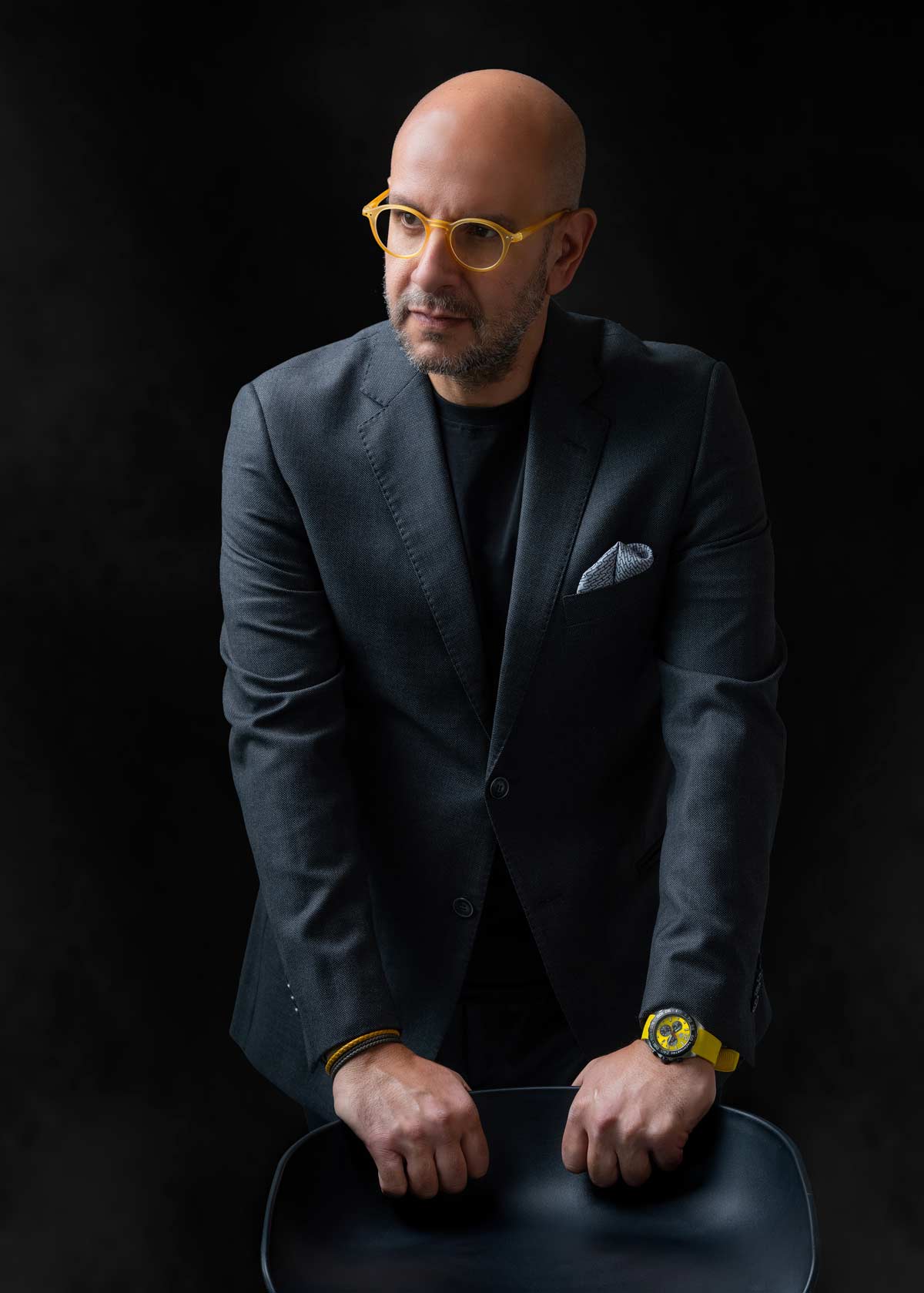
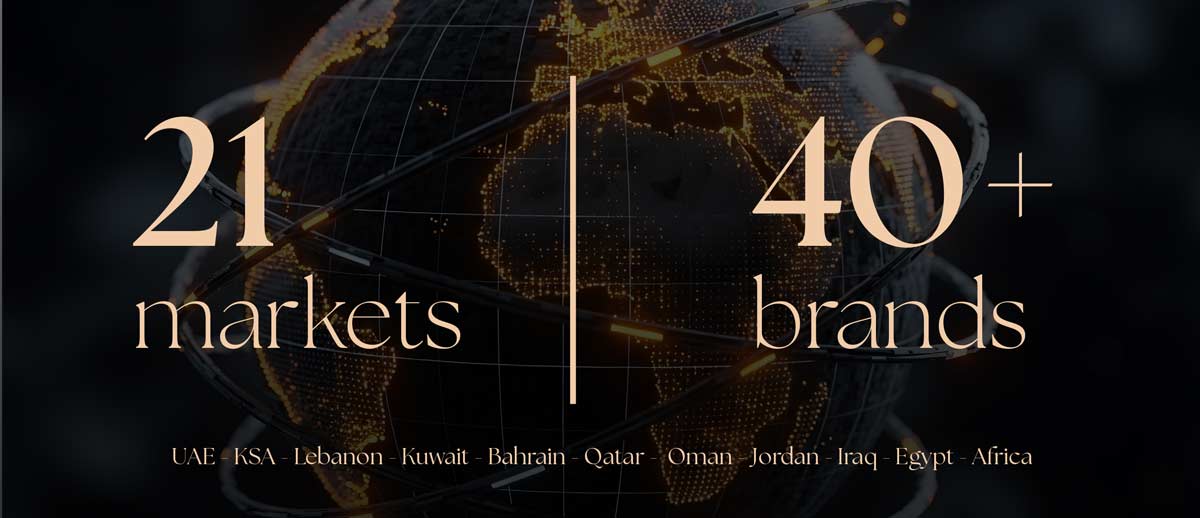
Medica operates across multiple Middle Eastern and regional markets. How do you balance centralized strategy with local market agility?
We operate through a “central vision, local execution” approach. While our strategic direction, governance standards, and partnerships with global innovators are defined at the group level to ensure consistency, quality, and scientific integrity, we empower our local teams to adapt execution based on the specific needs of each market.
The Middle East is a diverse region, with varying regulatory frameworks, patient expectations, and levels of market maturity. Our local teams bring deep cultural and clinical insight, allowing us to tailor educational programs, physician engagement strategies, and service models to each country while remaining aligned with Medica’s overall vision and values. This balance is enabled through strong cross-regional collaboration, shared digital platforms, and continuous knowledge exchange across our markets. By combining centralized strategic leadership with local responsiveness, we ensure both operational excellence and the agility required to drive sustainable growth and meaningful impact across the region.
In today’s healthcare distribution landscape, what differentiates Medica from other regional players beyond product portfolio?
Medica is not simply a distributor, we position ourselves as a strategic partner to the medical community and a catalyst for advancement in aesthetic medicine. What truly differentiates us is our integrated ecosystem built around scientific education, innovation, and long-term partnerships. We invest significantly in physician training, medical advisory boards, and regional scientific platforms that elevate clinical standards and support continuous professional development. Our role extends beyond delivering products to enabling knowledge transfer, clinical excellence, and sustainable business growth. We also differentiate ourselves through our strong commitment to patient safety, regulatory rigor, and evidence-based solutions. By carefully curating our portfolio, we ensure that the technologies we introduce create meaningful value for both physicians and patients. In addition, our focus on digital transformation and customer-centric service models allows us to provide a seamless experience, from education and engagement to support and after-sales services, strengthening trust and long-term relationships across our ecosystem.
How do you evaluate and select global partners and brands to represent in your markets?
Our approach to selecting global partners is guided by a robust and purpose-driven framework centered on scientific credibility, innovation, and long-term value for the medical community.
First, we evaluate the strength of clinical evidence, product safety, and regulatory compliance. We prioritize technologies supported by thorough research, proven outcomes, and a clear commitment to patient safety and ethical standards.
Second, we assess the partner’s innovation pipeline and their ability to drive meaningful advancement in our field. We seek collaborators who share our vision of continuous innovation, particularly in areas such as breast health, regenerative treatments, and advanced medical technologies. Equally important is strategic alignment. We partner with organizations that share our values of scientific integrity, education, and long-term collaboration. Our partnerships are not transactional, they are built on mutual trust, knowledge exchange, and a shared commitment to elevating clinical standards in the region.
Finally, we evaluate how well a solution addresses the specific needs of our different markets and the physicians we serve, ensuring that every partnership brings value to both healthcare professionals and patients.
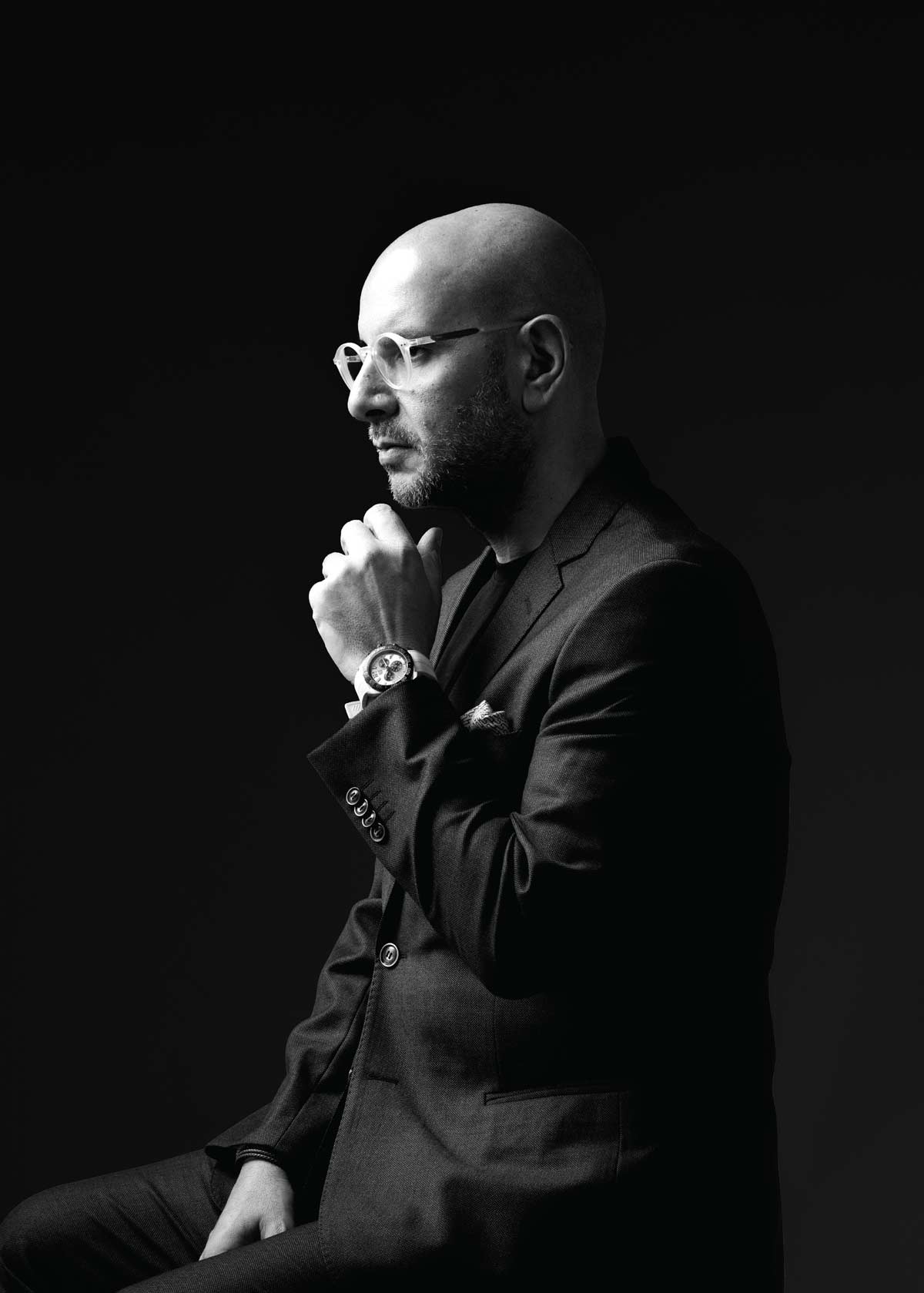
What are the biggest operational challenges facing medical distribution companies today, regulatory complexity, supply chain volatility, pricing pressure, and how is Medica responding?
Today, the distribution landscape in our field is becoming increasingly complex, driven by evolving regulatory requirements, global supply chain disruptions, and growing pricing pressures. These challenges require resilience, agility, and strong operational governance.
Regulatory complexity remains a key priority, particularly across diverse regional markets with varying compliance standards. At Medica, we address this through well-structured regulatory frameworks, strong local expertise, and close collaboration with global partners to ensure full compliance while maintaining speed to market. Supply chain volatility is another critical challenge, especially in a highly specialized field such as medical aesthetics. We have strengthened our supply chain resilience by enhancing demand forecasting through data-driven planning and building strategic inventory management systems to ensure continuity of supply for our customers. Pricing pressure and increasing competition also require continuous value creation. Rather than competing solely on price, Medica focuses on delivering comprehensive solutions, combining innovative technologies, scientific education, clinical support, and customer-centric services that create long-term value for partnering physicians.
Education is critical in medical adoption. How do you structure clinical training and continuous medical education across your territories?
Education is at the core of our value proposition and a fundamental driver of safe adoption and clinical excellence. We structure our training and continuous medical education through a comprehensive, multi-layered approach designed to support physicians at every stage of their professional journey.
We begin with structured clinical training programs that combine theoretical knowledge with hands-on experience, delivered through certified workshops, expert-led masterclasses, and proctorship programs with internationally recognized specialists. This ensures that healthcare professionals gain both scientific understanding and practical expertise in the safe use of advanced technologies.
As an example, we recently organized the Middle East Symposium for Ergonomix Implants (MESEI) in Riyadh, the Kingdom of Saudi Arabia, bringing together more than 250 international, regional and local experts and physicians to advance scientific dialogue in breast health and tissue preservation innovation. In addition, we regularly organize scientific forums across our markets, creating continuous opportunities for peer-to-peer learning and clinical discussion.
Beyond local initiatives, we support physicians’ global exposure by facilitating their participation in leading international congresses, enabling them to stay at the forefront of innovation and best practices. We are equally committed to empowering our regional medical community by supporting doctors from our markets in presenting and sharing their expertise at regional and international scientific meetings.
What key performance indicators do you personally monitor most closely as CEO?
As CEO, I focus on a balanced set of performance indicators that reflect both sustainable growth and long-term value creation. First, I closely monitor revenue growth, market share, and profitability across our markets, as these indicators reflect the strength of our commercial strategy and our ability to deliver consistent value to our partners and stakeholders. Equally important are customer-centric metrics, including physician engagement, customer satisfaction, and long-term partner retention. At Medica, strong relationships with the medical community are fundamental to our success, and these indicators provide insight into the trust we are building across our ecosystem. I also place significant emphasis on operational excellence, particularly supply chain efficiency, regulatory compliance, and service performance. These metrics ensure reliability, quality, and continuity in delivering solutions to our partners. In addition, I closely follow innovation and education indicators, such as adoption of new technologies, participation in scientific programs, and the impact of our training initiatives, as they reflect our role in advancing clinical practice across the region.
For the next 12–24 months, what is your primary strategic objective: expansion, consolidation, profitability optimization, or category leadership?
Looking ahead, our strategic focus encompasses expansion, consolidation, and profitability optimization as complementary priorities driving our next phase of growth.
From an expansion perspective, we are continuing to strengthen our presence across the region while deepening our relationships and long-term commitment to our export markets. We see significant opportunities to further support physicians and healthcare partners through closer collaboration and broader access to our solutions. In parallel, we are pursuing portfolio consolidation by reassessing our existing offerings and taking a more disciplined and selective approach to portfolio management. This includes carefully reviewing legacy products and ensuring that our portfolio remains aligned with innovation, market needs, and sustainable value creation. From a profitability standpoint, we are enhancing operational efficiency through digital transformation. We are increasingly redirecting some of our commercial activities through our concierge portal, enabling online engagement and providing physicians with a dedicated platform to place orders online and consignment management. This allows our teams to focus on strategic and clinical value creation rather than operational processes, while improving service efficiency and customer experience.
We are seeing a global shift toward natural beauty and subtle enhancement. How is changing patient behavior reshaping demand in aesthetic medicine across your region? How is Medica positioning itself in this space?
We are clearly witnessing a shift in patient expectations toward natural enhancement, prevention, and long-term tissue health rather than dramatic transformation. Today’s patients are more informed and selective, they seek minimally invasive treatments that enhance their natural features, preserve individuality, and deliver refined, subtle results that integrate harmoniously with their anatomy.
This shift is driving strong demand for regenerative and bio-stimulatory solutions that work with the body’s natural processes. Patients are increasingly interested in improving skin quality, restoring vitality, and supporting tissue health at a cellular level. Treatments such as Rejuran, the Salmon DNA injectable solution powered by c-PDRN® which we recently added to our portfolio, are a strong example of this evolution, as they focus on skin regeneration and healing from within, improving texture, elasticity, and overall skin quality while delivering gradual and natural-looking rejuvenation.
At the same time, in breast aesthetics, we see growing preference for technologies that enable natural look and feel, balanced proportions, and tissue preservation. Innovations such as Motiva implants – Mia Femtech, Preserve and Ergonomix2 – respond directly to this demand by supporting more natural outcomes, enhanced biocompatibility, and a patient-centric approach that prioritizes safety and long-term wellbeing. The focus is no longer simply on volume, but on harmony, softness, and respect for the body’s natural structure. We also observe a strong movement toward prevention and early intervention, particularly among younger patient groups, alongside increasing awareness around sustainable treatment outcomes. This reflects a broader transformation in aesthetic medicine toward more holistic, science-driven, and personalized care. Medica is positioning itself at the forefront of the shift toward natural, regenerative, and science-driven aesthetic medicine by building a portfolio and ecosystem that prioritize tissue health, biocompatibility, and long-term patient outcomes.
What role do key opinion leaders play in expanding penetration while maintaining scientific credibility?
Key opinion leaders play a fundamental role in bridging innovation and clinical practice, ensuring that the adoption of new technologies is guided by scientific rigor and real-world expertise. At Medica, we work closely with respected experts who contribute to treatment protocols, and evidence-based evaluation of new technologies. Their experience and independent scientific perspective help validate safety, efficacy, and long-term outcomes, which is essential in building trust within the medical community. Beyond validation, key opinion leaders drive education and knowledge transfer. Through training programs, scientific forums, and peer-to-peer exchange, they support the safe adoption of advanced techniques while elevating clinical standards across the region. Their ability to
share practical insights and real clinical experience helps physicians adopt innovation with confidence.
A strong example of this commitment is the scientific forums Medica organizes across the region, where leading regional and international key opinion leaders play a central role in propagating knowledge, sharing clinical evidence, and presenting real-world expertise. These platforms foster open scientific dialogue, encourage the exchange of best practices, and ensure that innovation is introduced responsibly and supported by credible clinical experience.
The breast implant category remains one of the most dynamic segments within aesthetic surgery. How do you assess its growth trajectory in your region?
The breast implant category continues to demonstrate strong and sustained growth across the Middle East, driven by increasing patient awareness, evolving aesthetic expectations, and continuous advancements in medical technology. We are seeing a clear shift toward more personalized, natural-looking outcomes, supported by innovations in implant design, surgical techniques, and treatment planning. In our region specifically, the growth trajectory is supported by a highly sophisticated medical community, strong demand for quality and safety, and growing patient confidence in advanced aesthetic procedures. There is also increasing interest in minimally invasive approaches and solutions that prioritize tissue preservation, biocompatibility, and long-term patient wellbeing, trends that are reshaping the future of breast aesthetics.
Another key driver is the expanding role of scientific education and physician training, which continues to elevate clinical standards and enable the safe adoption of new technologies. As physicians gain access to advanced techniques and evidence-based innovations, the category is evolving toward more refined, patient-centric treatment approaches.
What are the primary barriers that prevent surgeons from switching to or adopting a new implant brand?
Adoption of a new implant brand in aesthetic surgery is primarily driven by clinical confidence, and the main barriers typically relate to trust, familiarity, and evidence.
First, surgeons rely heavily on long-term clinical data and proven outcomes. Without robust scientific evidence, safety records, and peer-reviewed research, adoption can be understandably cautious. Patient safety and predictable results remain the highest priorities in surgical decision-making.
Second, surgical familiarity and technical comfort play an important role. Surgeons develop expertise with specific techniques, instrumentation, and product characteristics over many years, so transitioning to a new solution requires structured training, hands-on experience, and strong clinical support.
Another key factor is peer influence and professional validation. Recommendations from respected colleagues, exposure through scientific forums, and real-world clinical experience significantly impact adoption decisions. Operational considerations also play a role, including product availability, regulatory approvals, after-sales support, and the reliability of the distribution partner. Surgeons seek consistency, service excellence, and long-term partnership when integrating new technologies into their practice.
Are you observing a shift in patient expectations regarding breast augmentation?
Yes, we are clearly observing a significant shift in patient expectations toward more natural, personalized, and minimally invasive outcomes. Today’s patients are increasingly seeking results that enhance their natural anatomy rather than dramatically alter it, with growing demand for balanced proportions, softer profiles, and more subtle volume enhancement.
There is also a noticeable trend toward smaller implant volumes and treatment approaches that prioritize tissue preservation, and faster recovery. Patients are better informed than ever, and they are placing greater emphasis on safety, biocompatibility, and predictable outcomes when making treatment decisions. This shift is also reflected in the growing interest in innovative approaches such as Mia Femtech, which responds to patient demand for minimal downtime, natural enhancement, and less invasive procedures. At the same time, the increasing focus on Motiva’s Preserve technique highlights the importance of protecting breast tissue integrity and maintaining long-term tissue health as a central element of modern breast aesthetics.
How do you see the breast augmentation and reconstruction market evolving over the next three to five years?
Over the next three to five years, we expect the breast augmentation and reconstruction market to evolve toward more personalized, science-driven, and patient-centric approaches. The focus will increasingly shift from purely aesthetic outcomes to solutions that prioritize long-term safety, tissue preservation, and overall patient wellbeing.
We anticipate continued innovation in implant technology, biomaterials, and surgical techniques that enable more natural results, faster recovery, and greater predictability. At the same time, treatment planning will become more precise through advanced imaging technologies and data-driven approaches, allowing surgeons to deliver highly individualized outcomes.
Another important trend will be the growing adoption of minimally invasive solutions and techniques designed to preserve breast tissue integrity and reduce surgical impact. This reflects a broader movement toward less invasive procedures and enhanced patient experience, particularly as patients become more informed and actively involved in treatment decisions.
In breast reconstruction specifically, we expect significant progress in regenerative approaches, improved surgical methods, and multidisciplinary collaboration, further enhancing both functional and aesthetic outcomes for patients.
One last question. As Medica continues to evolve and shape the future of aesthetic medicine in the region, what is the legacy you hope the company will build for patients, physicians, and the broader aesthetic community?
Our ambition is for Medica to be recognized as a catalyst for progress in aesthetic medicine, a company that has elevated clinical standards, advanced scientific innovation, and strengthened trust across the aesthetic medicine ecosystem.
For patients, we aim to contribute to a future where aesthetic treatments empower individuals to feel confident while preserving their health and individuality.
For physicians, our goal is to build a lasting legacy of partnership, supporting their growth through education, scientific exchange, and access to the most advanced technologies, enabling them to deliver the highest level of care and continuously advance their practice.
For the broader aesthetic community, we hope Medica will be remembered for driving meaningful innovation, promoting evidence-based medicine, and fostering collaboration that elevates the entire industry. Our vision is to shape a more responsible, patient-centric, and science-driven future for aesthetic medicine in the region.
Ultimately, our legacy is not only defined by the solutions we provide, but by the positive and lasting impact we create for patients, healthcare professionals, and the advancement of medical practice as a whole.