Advancing the Future of Lung Transplantation: How UCLA Health Is Transforming Organ Preservation
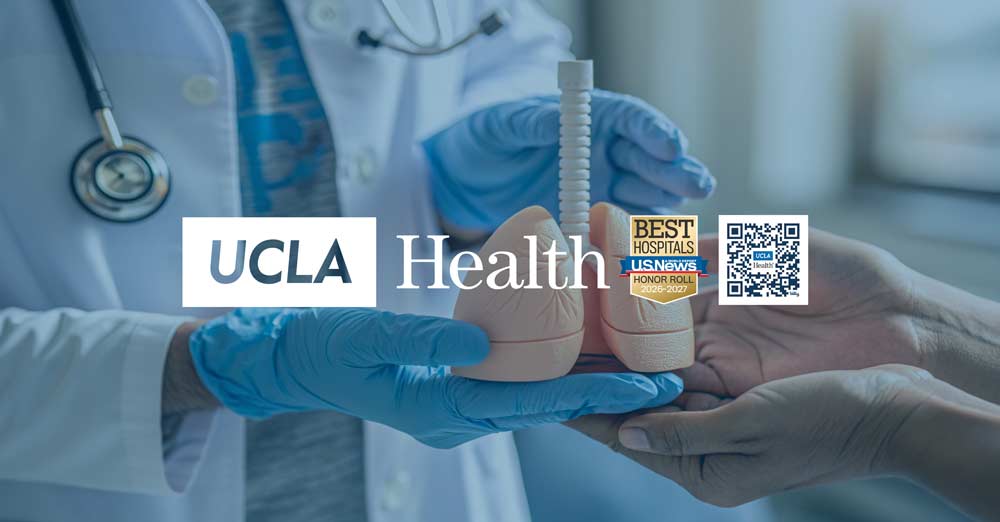
Innovation in organ preservation is transforming the future of lung transplantation. At UCLA Health, decades of research, surgical expertise and clinical innovation recently culminated in the world’s first lung transplant using donor lungs transported with a next-generation warm-perfusion preservation system. More than a technological achievement, it represents a significant step toward improving donor organ quality, expanding transplant opportunities and ultimately saving more lives.
For patients with end-stage lung disease, lung transplantation often offers the only chance for survival. While advances in surgical techniques and post-transplant care have significantly improved outcomes, preserving donor lungs between procurement and transplantation remains one of the field’s greatest challenges. Traditionally, donor lungs are transported on ice using static cold storage. Although this method has been the standard for decades, prolonged cold preservation can contribute to ischemic injury that may affect organ function after transplantation. Warm-perfusion technology is changing that paradigm by maintaining donor lungs in a functioning, near-physiologic state throughout transport. Continuous circulation and ventilation allow clinicians to better preserve organ health while monitoring lung performance before transplantation. The newest generation of this technology introduces several important advances. One of its most significant features is the ability to actively remove excess fluid that commonly accumulates in donor lungs following brain death, a condition known as neurogenic pulmonary edema. By reducing this fluid before transplantation, surgeons are able to optimize the condition of the lungs prior to implantation. Leading this lung transplant milestone was Dr. Abbas Ardehali, director of the UCLA Heart, Lung and Heart-Lung Transplant Programs, whose career has been dedicated to advancing transplant science and organ preservation.
UCLA Health has long been at the forefront of evaluating technologies that keep donor organs functioning outside the body during transport. As Dr. Ardehali explains, “The whole story behind ex vivo organ perfusion has been to preserve the organs better for transplantation.” The new preservation platform builds on that vision, introducing enhanced physiologic monitoring, improved ventilation, a redesigned organ chamber that minimizes mechanical stress and drainage systems that help preserve tissue integrity throughout transport.
While scientific breakthroughs define the future of medicine, their true impact is measured by the patients whose lives they transform. The recipient of the historic transplant was Patty Coles, whose connection to UCLA Health began years before she became a patient. As a food service employee at Ronald Reagan UCLA Medical Center, Coles spent years serving physicians, nurses and staff. Among her regular customers was Dr. Ardehali, whose lunch order she knew by heart. At the time, she knew him simply as one of the many physicians who visited the cafeteria each day.
In 2024, however, Coles was diagnosed with pulmonary fibrosis, a progressive disease that causes irreversible scarring of the lungs. As her condition worsened, even routine activities became increasingly difficult. Eventually, she required continuous oxygen therapy and was forced to leave the job she loved.
Coles was referred to UCLA Health for evaluation. During her hospitalization, Dr. Ardehali recognized the woman who had served him lunch for years. What had once been a familiar exchange between hospital colleagues became a physician-patient relationship centered on hope, trust and survival. It was determined that Coles would need new lungs. A suitable donor became available, and Coles became the first patient in the world to receive lungs transported using the new preservation platform. Her successful transplant highlights not only the promise of technological innovation but also the expertise of the multidisciplinary team that supports every stage of the transplant journey; from evaluation and surgery to rehabilitation and long-term follow-up.
As demand for donor lungs continues to exceed supply worldwide, innovations in organ preservation have the potential to benefit transplant programs far beyond a single institution. Better preservation may allow more donor lungs to be safely transplanted, improve early graft function and ultimately provide more patients with access to life-saving treatment. For patients around the world seeking highly specialized care, these advances underscore the value of experienced academic medical centers that combine pioneering research with clinical excellence. At UCLA Health, internationally recognized experts collaborate across surgery, pulmonology, critical care, rehabilitation, imaging and research to deliver highly personalized care for patients with the most complex lung diseases.
As transplantation enters a new era of organ preservation, UCLA Health continues to push the boundaries of what is possible through scientific discovery, innovation and compassionate patient care. By advancing technologies that improve donor organ quality and expand access to transplantation, UCLA Health is helping to shape the future of transplant medicine; offering new hope to patients around the world facing life-threatening lung disease.
For more information, please visit https://www.uclahealth.org/international-services/ or call +1 310-794-8759