A New Era for Atrial Fibrillation Treatment: Volt™ Pulsed Field Ablation System
Advances Electrophysiology in the Middle East

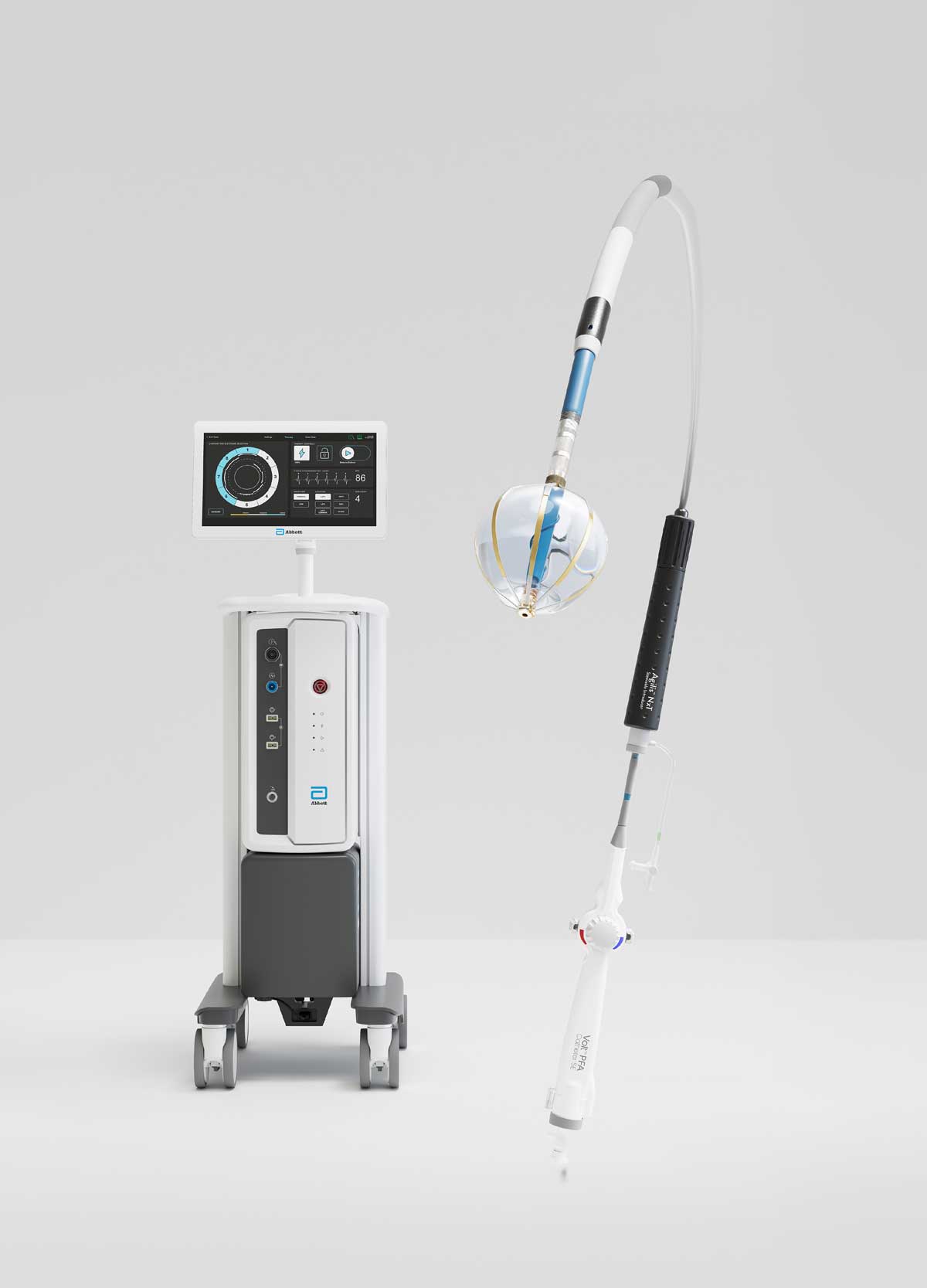
When Abbott announced earlier last year that its Volt™ Pulsed Field Ablation (PFA) System had received CE Mark approval, the news sent a strong signal across the global electrophysiology community: a new phase in atrial fibrillation therapy had begun.
For the Middle East, where the burden of arrhythmias is rapidly increasing due to lifestyle changes, aging populations, and improved screening, the timing could not be more significant. Hospitals in Saudi Arabia, the UAE, and across the GCC are investing heavily in advanced cardiac care, prioritizing safer, faster, and more predictable technologies. Volt™ PFA System enters this landscape as one of the most promising innovations yet.
To understand how Volt™ PFA System may influence clinical practice, we spoke with two of the region’s renowned electrophysiologists:
Dr. Fahad Almehmadi, full-time Electrophysiologist at King Faisal Cardiac Center and an Assistant Professor at King Saud Bin AbdulAziz University, and Dr. Mohamed Magdy, MD, PhD Head of the Department of Cardiac EP, Al Qassimi hospital Sharjah, UAE, Prof of Cardiology and electrophysiology, Cairo University, Egypt, Prof of Cardiology, Sharjah University. Their perspectives highlight a shared optimism and a clear sense that the ground is shifting beneath electrophysiology as Pulse Field Ablation moves from concept to clinical reality.
Rethinking Ablation: Why PFA Matters Now
Catheter ablation has been the gold standard for atrial fibrillation for years, yet its limitations have been well known. Traditional thermal energy, radiofrequency, or cryoablation carries risks, requires longer procedures, and can affect structures beyond the intended target. Pulsed Field Ablation (PFA), by contrast, uses high-voltage, microsecond electrical pulses to selectively ablate cardiac tissue through electroporation.
Its promise is simple: the precision of targeted therapy without the collateral damage of heat or cold. For clinicians like Dr. Fahad Almehmadi, this shift is monumental. “PFA is the first technology that truly changes the equation,” he says. “It gives us the ability to isolate pulmonary veins with speed and accuracy, while significantly reducing the risks we associate with thermal ablation. It is not an incremental improvement—it is a new category of therapy.”
Volt™ PFA System: Designed for Efficiency and Predictability
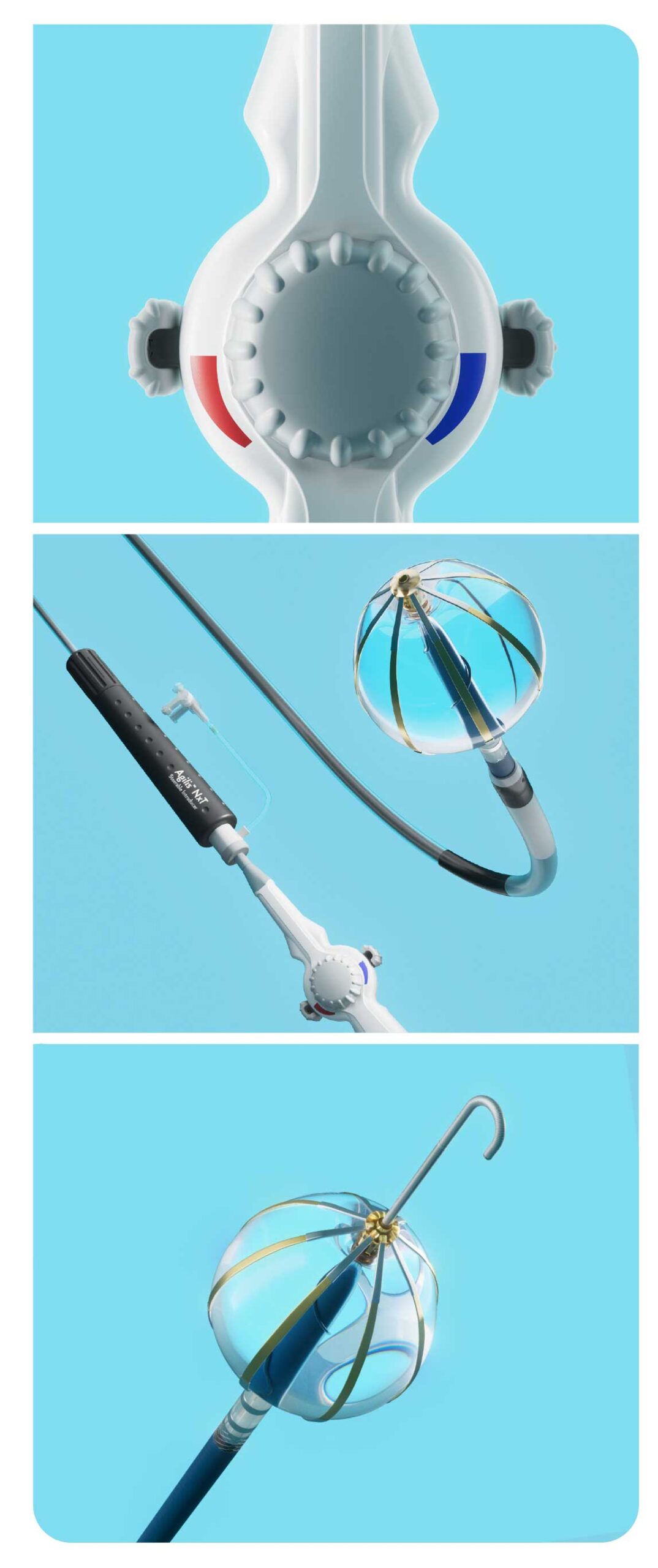
One of the biggest challenges in electrophysiology labs is the time required for procedures. Each additional minute under anesthesia increases patient risk and decreases lab throughput. According to Abbott, Volt™ PFA System was designed with this challenge in mind. The system’s catheter design, mapping integration, and workflow aim to reduce variability between operators, a common issue in AFib treatment.
Dr. Mohamed Magdy emphasizes the practical benefit this creates inside the EP lab: “With new generation PFA systems, the workflow is cleaner. Lesions are consistent, applications are fast, and the learning curve is remarkably short. PFA as a technology is already efficient—Volt™ PFA System makes that efficiency immediately accessible to centers adopting it.”
For busy tertiary centers across the GCC, where AFib cases continue to rise, the link between streamlined workflow and expanded patient access is critical. A technology that allows more patients to be treated in a single day—and shortens waiting lists that can delay care for weeks or months.
Safety as a Catalyst for Wider Adoption
Electrophysiologists have long been concerned about thermal injury to the esophagus, phrenic nerve paralysis, and pulmonary vein stenosis, all complications associated with traditional ablation. The Volt™ PFA System eliminates the thermal component, sparing non-cardiac tissues and drastically reducing risk. Dr. Almehmadi notes this as the factor most likely to shift patient attitudes: “Safety is a primary concern in Saudi Arabia and the rest of our region. A system that improves outcomes while reducing risk has the potential to bring more patients into treatment earlier—before complications develop.”
New generation PFA systems like Volt™ PFA System offer several advantages such as:
- Shorter procedure times
- Faster recovery
- Reduced anesthesia exposure
- Lower complication risk
- Greater confidence in choosing ablation sooner
“Atrial fibrillation and cardiac arrhythmias negatively impact the lives of millions around the world,” said Khodr Oulleik, Regional Director – Emerging Markets for Abbott’s electrophysiology business. “Patients with untreated arrhythmias are at an increased risk of stroke and heart attack. Abbott’s state-of-the-art Volt™ PFA System offers new safe and effective treatment options that overcome previous limitations with earlier generation Pulse Field Ablation technologies.”
A Regional Shift Toward Advanced Electrophysiology
Hospitals in Saudi Arabia and the UAE are rapidly establishing themselves as regional leaders in complex cardiac interventions. Both countries are prioritizing technologies that move the standard of care forward and support national cardiovascular health strategies.
Dr. Magdy believes the new PFA generation arrives at precisely the right moment: “The region has invested heavily in modern EP labs, training, and early detection programs. PFA fits perfectly into this ecosystem. As centers expand their services, a system that combines safety, speed, and consistency will naturally become a preferred option.”
The early feedback from European centers following Volt™ PFA System CE Mark approval further supports expectations of strong clinical performance and growing adoption.

The Patient Perspective: Faster Recovery, Greater Confidence
While technological innovation often focuses on physicians, the most meaningful changes are experienced by patients.
Looking Ahead: the Future of AFib Care in the Middle East
Electrophysiologists across the GCC agree on one point: PFA is not just another new energy source, it is the direction in which the entire field is moving. As adoption accelerates, PFA systems will likely become foundational in AFib care, much like radiofrequency once was.
Dr. Almehmadi summarizes the sentiment succinctly: “Volt™ PFA System gives us confidence, not only in the safety of the procedure, but in the future of ablation as a whole.”
Abbott’s Volt™ Pulsed Field Ablation System arrives at a pivotal moment for cardiac care in the Middle East. As the burden of atrial fibrillation rises, the need for safer, faster, and more predictable solutions becomes urgent. PFA answers that need, with a design tailored for clinical efficiency and a safety profile that elevates patient confidence.
For electrophysiology leaders in Saudi Arabia, the UAE, and across the region, the message is clear: PFA is the future.