Inside The Smart Lab: How Digital Health Is Redefining Diagnostics In The UAE

M42, a leading tech-enabled healthcare group, has embarked on a transformative journey to redefine diagnostics in the UAE. It is already gaining efficiency and laying the foundation for its Pathology 4.0 laboratory of the future.
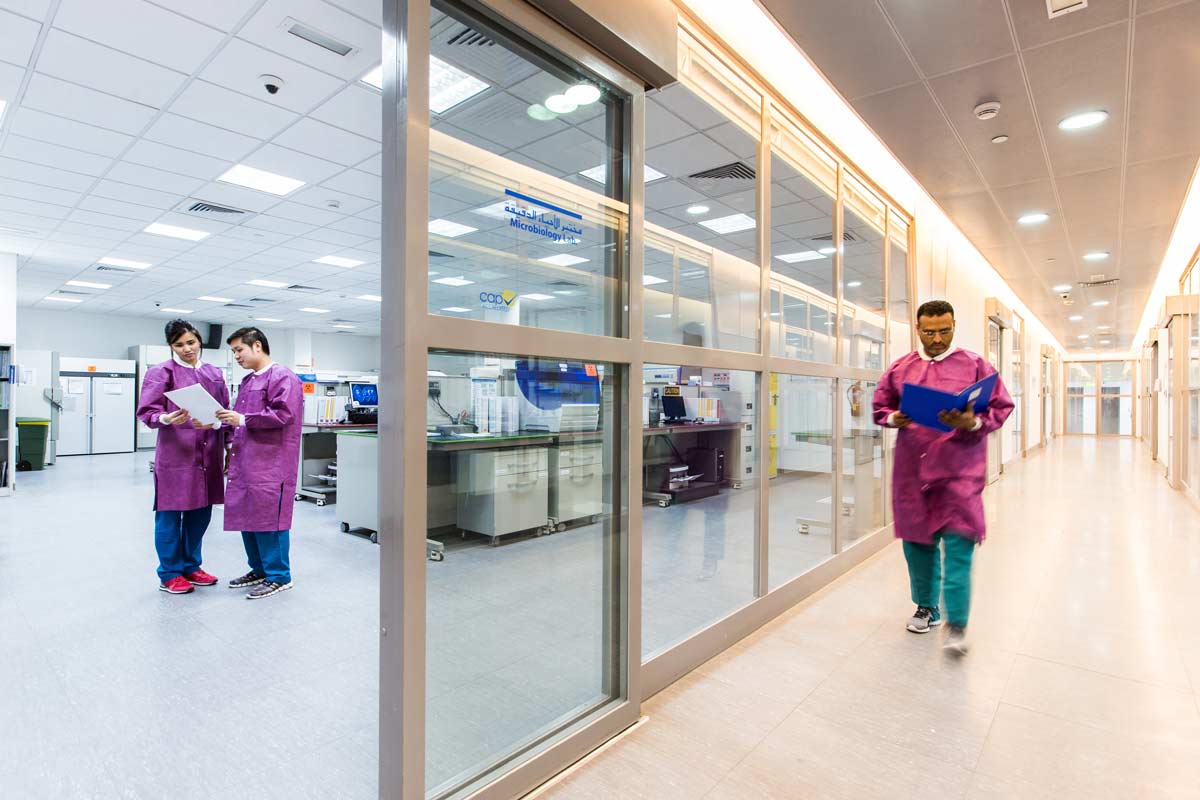
M42 oversees a vast pathology network, including the National Reference Laboratory (NRL). It serves all M42 assets and more than 250 external clients in the UAE and across the GCC. With 12 labs and multiple hubs, NRL processes millions of tests annually, supporting everything from routine diagnostics to advanced precision medicine. It’s overwhelming scale demanded optimisation and a digital transformation.
The Challenges: A Manual World in a Data Tsunami

Before the digital transformation, inefficient manual processes constrained NRL’s operations. Dr. Laila AbdelWareth, CEO of M42’s Diagnostic Cluster, recalls painstakingly shipping subspecialty samples to overseas experts and waiting 5 to 7 days for responses. Delayed diagnoses frustrated clinicians and left patients waiting for their results.

According to Dr. Shweta Narang, Executive Director of Medical and Commercial Operations at NRL, COVID-19 brought the manual system to a breaking point. With up to 4,000 samples arriving daily, manual logging, scanning and tracking became unsustainable. Without automated traceability, the risk of missing samples was unacceptable in NRL’s culture of dependability and precision. There was no way to detect trends, biases, or outliers in real time, and the enormous data volumes from genomics and preventive care overwhelmed the system. Pre-analytical errors, which account for up to 65% of lab errors, were a persistent threat. Manual entry, rescanning, and relabelling consumed hours and introduced inconsistencies.
Environmental stewardship and the commitment to sustainable healthcare, which NRL shares with the UAE’s 2031 vision, were also high priorities. Paper logs and single-use specimen bags contributed to waste from the millions of tests run each year.
The Turning Point: Embracing Digital Health Solutions
NRL needed solutions that could automate, integrate and make their workflows intelligent. They chose Abbott’s AlinIQ Digital Health Solutions, a comprehensive digital health ecosystem designed to help laboratories enhance operational and clinical performance. As part of this ecosystem, AlinIQ Indexor serves as the pre-analytics solution and has become the first implementation of its kind within hospitals in the UAE.
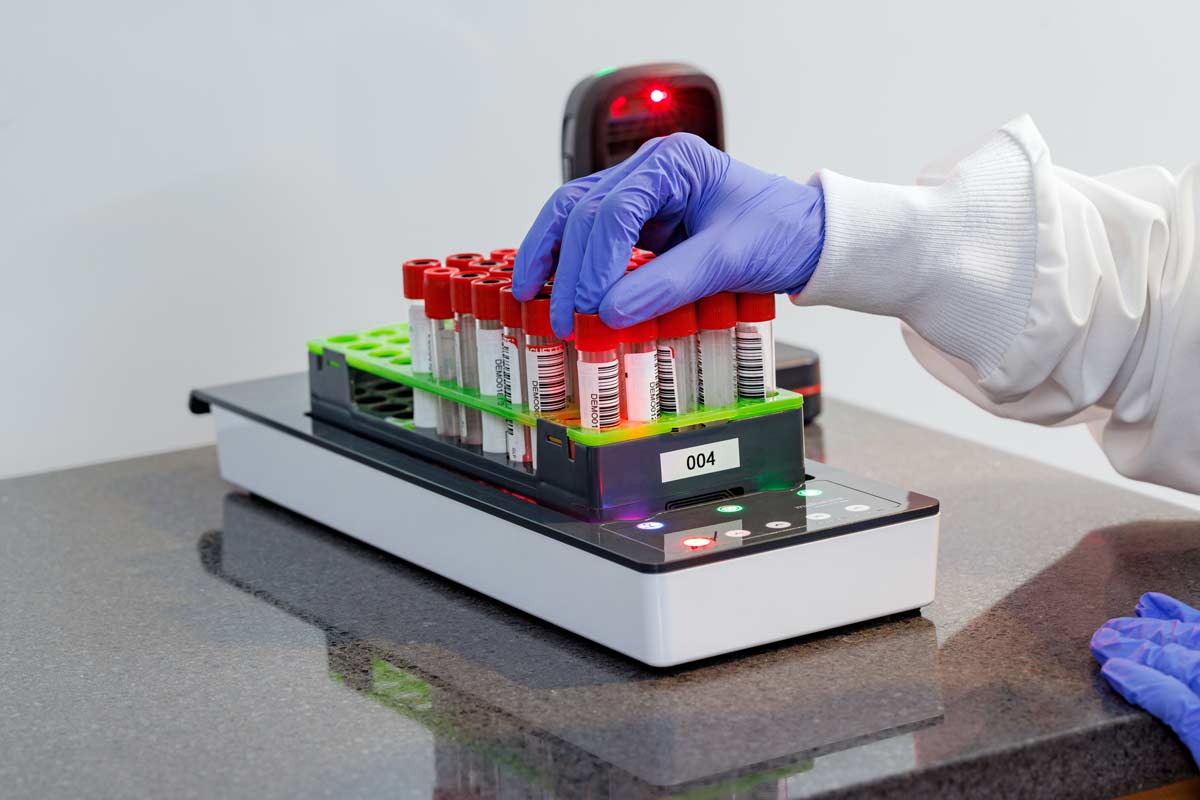
AlinIQ Indexor enhances the overall diagnosis cycle by streamlining pre-analytical tracking, transport, lab reception and accessioning. With radio frequency identification (RFID) technology embedded in specialised racks, it ensures traceability from collection to archiving, while supporting workflow management and monitoring critical factors such as temperature and impacts.
Dr. Laila AbdelWareth notes, “Bringing on AlinIQ solutions and Indexor was a game changer. It brought full accountability and traceability. At any given moment, we can locate a specimen and see exactly where it is in the process across our 12 labs.”
AlinIQ’s broader digital ecosystem accelerates this transformation. Its Analyser Management System (AMS) functions as middleware, seamlessly linking the Laboratory Information System (LIS) with analysers and automation from various manufacturers. By generating real-time, actionable insights via dashboards and KPIs, and enabling predictive analytics it helps laboratories anticipate disruptions, enhance operational efficiency, and sustain high quality performance.
AlinIQ Indexor pre-analytical data integrates seamlessly into AlinIQ AMS, enabling the system to apply this data to create rules that support improved quality assurance. Building on this, AlinIQ Indexor can also be deployed with AlinIQ AMS, connecting the Laboratory Information System (LIS) to analysers and automation, to reduce setup time and accelerates sample processing, while also avoiding the risks of human errors.
Its Inventory Management System (IMS) and Reagent Management System (RMS) also monitor reagents and supplies, preventing shortages and streamlining the inventory processes. And last but not least, Abbott’s Always On Services remotely monitor instruments, raising alerts for potential issues and ensuring exceptionally high instrument availability. To boost visibility further, AlinIQ Indexor has Indexor Analytics, a web-based real-time dashboard that consolidates key sample parameters into transport reports and workload insights. It also features tools like the Delivery Dashboard, which provides real-time status updates on sample deliveries from collection points. These dashboards allow the NRL team to to resolve issues timeously and avoid processing delays.
“Abbott has been at the forefront of integrating advanced digital technologies into our diagnostic products for many years,” says Islam Jaber, Regional Managing Director for Abbott’s Core Diagnostics business in the Middle East, Northeast Africa and Pakistan. “Through AlinIQ, we are bringing these capabilities together in a connected digital ecosystem, linking instruments, workflows and data to help laboratories unlock operational insights, strengthen reliability, and make smarter, more informed decisions across the diagnostic pathway. The rollout of these technologies at NRL represented a landmark shift toward a seamless, efficient, digital ecosystem. Without the burden of manual processing, staff can redirect their time and energy toward higher‑skilled, value‑adding work, a shift that is often associated with greater job satisfaction and lower levels of burnout.”
The Impact: Efficiency, Accuracy, and Beyond
The results were transformative. Zero sample loss reported and full traceability minimised manual errors and supported sustainability goals in the UAE. Financially, optimised inventory and predictive maintenance boosted performance.
Environmental stewardship also improved dramatically. AlinIQ Indexor reduces plastic waste by replacing single-use plastic bags with reusable RFID-enabled racks for sample collection, transport, and organisation, avoiding thousands of bags and significantly reducing CO2 emissions annually. From a data perspective; according to Dr Narang, the lab now converts overwhelming data into clinician-friendly insights. AlinIQ’s suite of analytical enablers turned raw data into actionable insights for preventive and personalised medicine. M42’s smart lab can anticipate needs, detect anomalies early, and provide clinicians with predictive alerts.
The Future: Pathology 4.0 and Beyond
M42 and NRL’s journey supporting the UAE’s Vision 2031 for smart, sustainable healthcare continues. M42 is advancing its Pathology 4.0 vision and is integrating AlinIQ Clinical Decision Support (CDS), a rule-based software, into its diagnostic ecosystem. The process begins with mapping lab workflows to identify trigger events, like specific test results, where CDS applies expert-defined logic to deliver real-time automated insights and recommendations to clinicians, institutionalising knowledge and flagging anomalies promptly.
This integration has the potential to deliver significant benefits, including faster early diagnoses, fewer unnecessary tests, and streamlined patient pathways, leading to quicker recoveries. It will also enhance hospital KPIs by shortening length of stay through efficient care, reducing mortality with timely interventions, minimising readmissions through personalised follow-ups, and lowering healthcare costs by eliminating redundant procedures.
As AI evolves from a co-pilot to a decision-maker, it will enhance the full patient journey. Dr. AbdelWareth emphasises, “The real opportunity lies in leveraging data mining for predictive outcomes.” And Dr. Shweta Narang adds, “The future is a smart lab using AI and lab informatics to reduce errors and deliver accurate patient results.”