Precision in Practice: Where World-Class Surgical Expertise Meets Advanced Technology
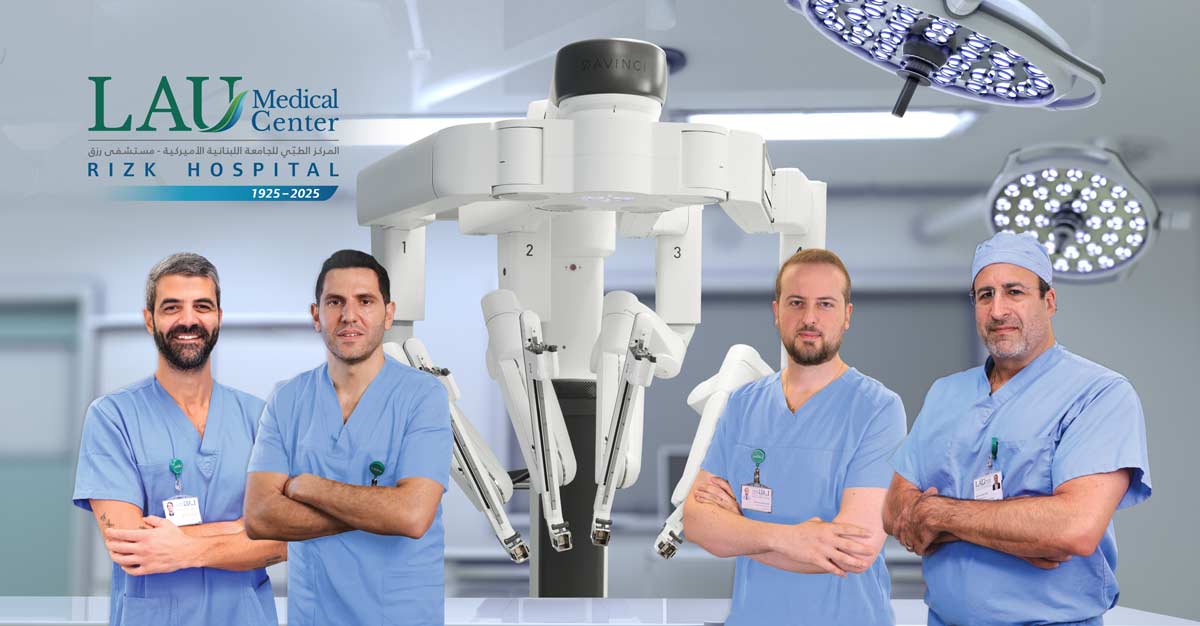
For a patient facing complex surgery, the most important questions are deeply personal. Who will perform the procedure? How will the surgical plan reflect the patient’s individual condition? What support will be available before surgery and throughout recovery? Advanced technology can expand the available options, but confidence begins with the surgeons interpreting those options and the team providing care at every stage.
This principle shapes the LAU Robotic Surgery Program at LAU Medical Center–Rizk Hospital.
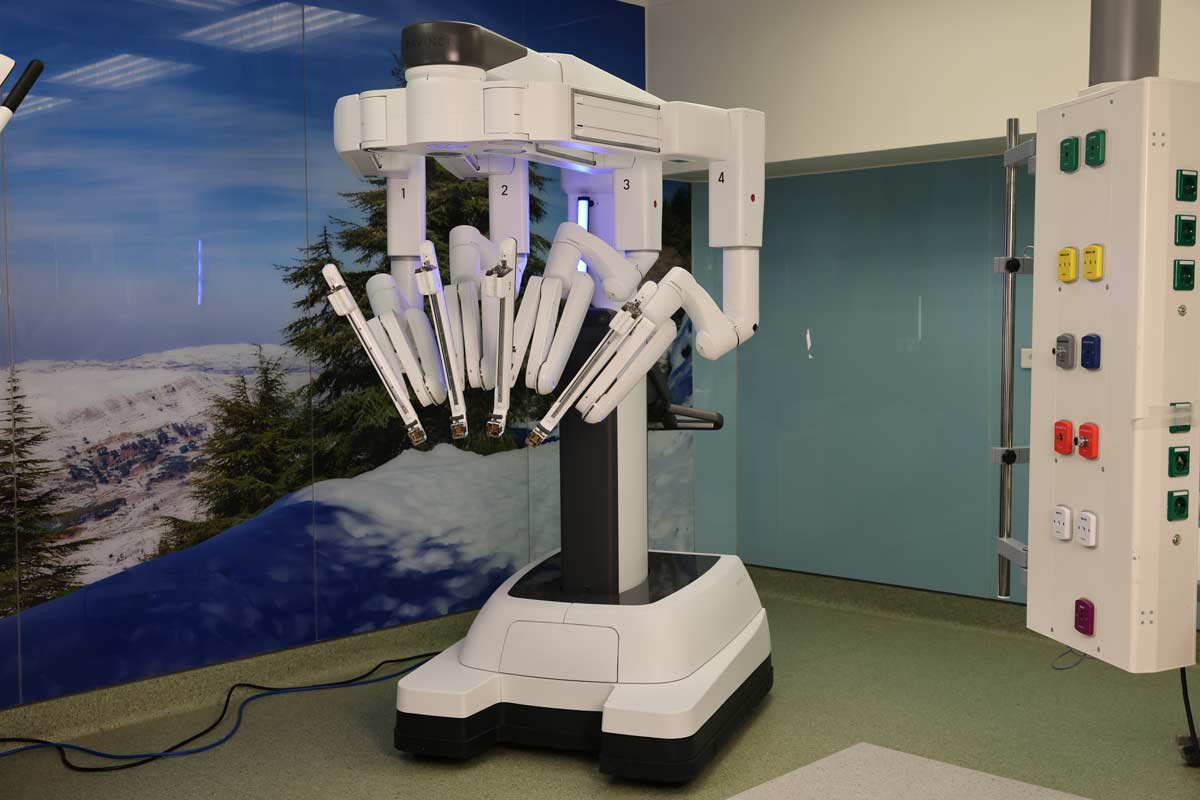
The program brings experienced surgeons, the ‘da Vinci Xi’ robotic surgical system, and a coordinated multidisciplinary team into one model of care. Its purpose is not simply to introduce a sophisticated platform. It is to use that platform responsibly, selectively, and with a clear understanding of what each patient needs.
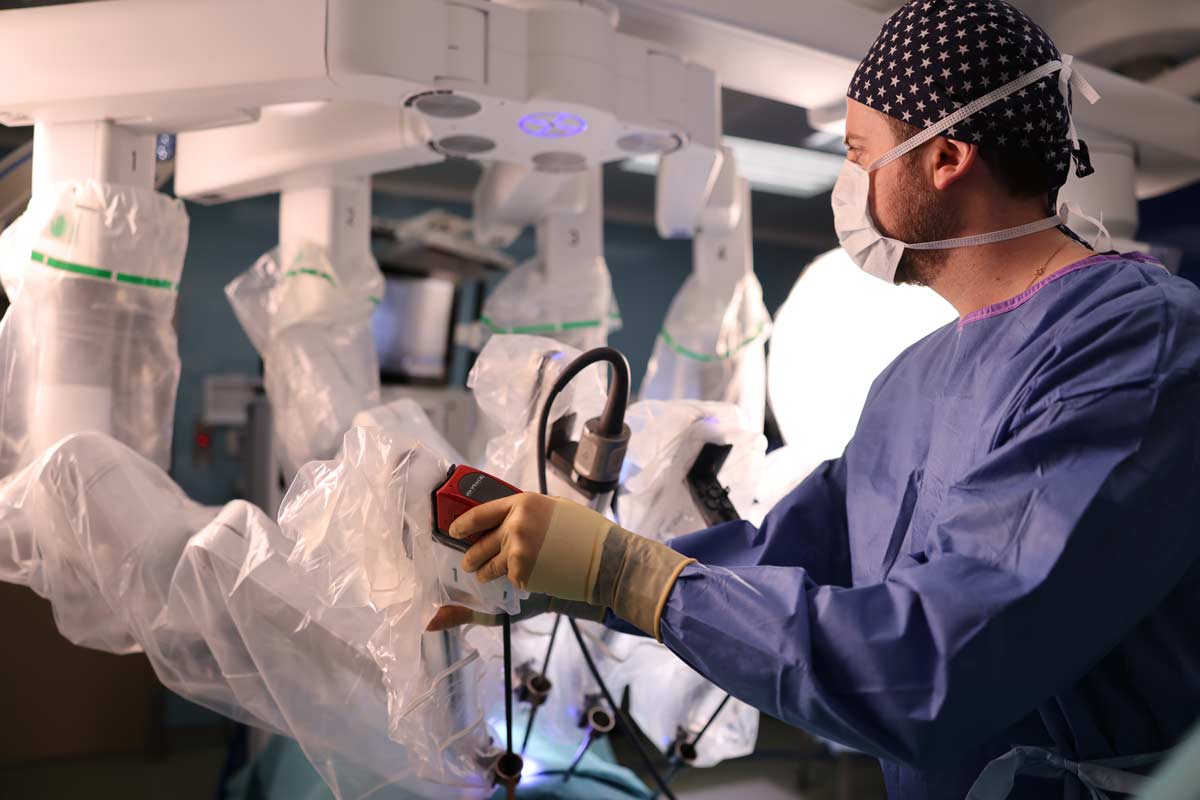
The da Vinci Xi is designed to support intricate, minimally invasive procedures. Magnified three-dimensional imaging gives surgeons a detailed view of the operative field, while articulated instruments provide dexterity and control within confined or difficult-to-reach areas. Firefly fluorescence imaging can reveal blood vessels, bile ducts, and tissue perfusion in real time. Integrated table motion allows the surgical team to reposition the patient during procedures that involve more than one anatomical region.
These capabilities matter because complex surgery often takes place within millimeters of structures that must be protected. Greater visibility can help a surgeon distinguish tissue more clearly. Refined control can support careful dissection around blood vessels, organs, and nerves. For appropriately selected patients, a robotic-assisted approach may allow for smaller incisions and support a smoother recovery. The technology creates possibilities, but it never replaces the physician. The surgeon directs every movement, interprets what appears on screen, and remains responsible for every clinical decision.
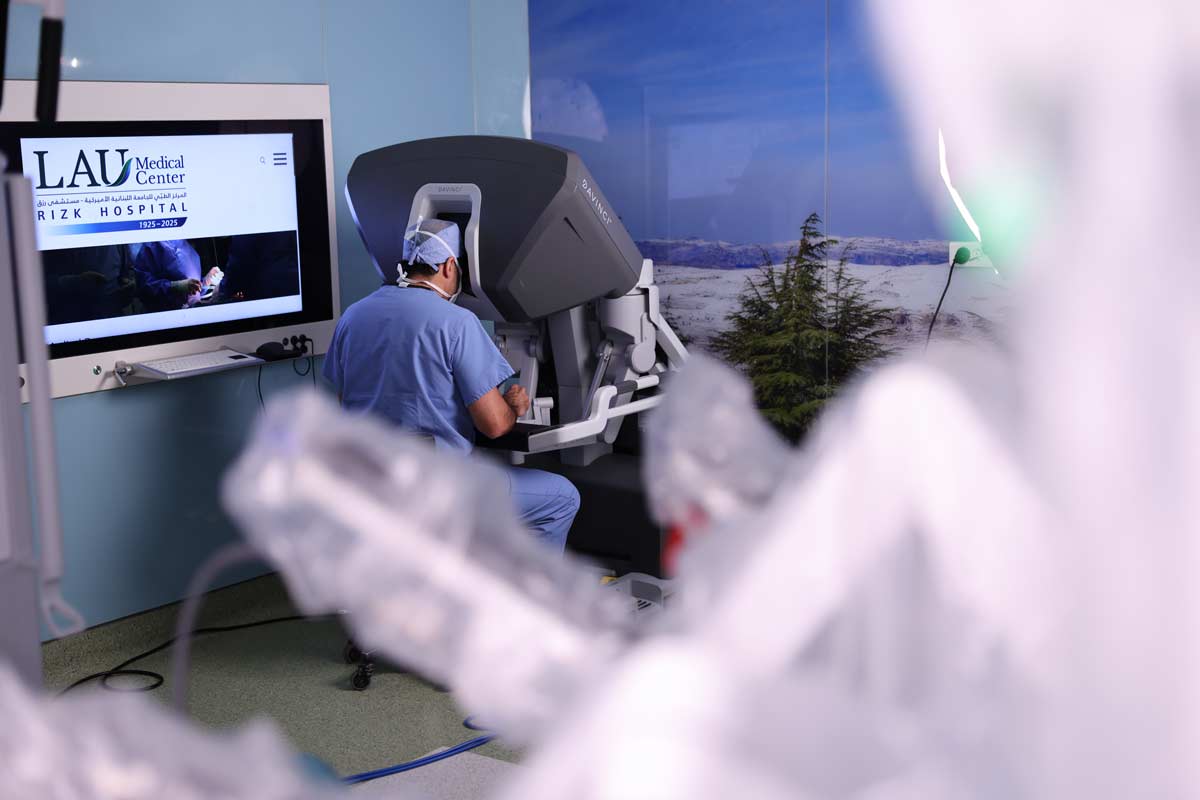
That human responsibility is supported by a surgical team whose combined experience spans a diverse range of care. In hepatobiliary and general surgery, American-trained and American-Board certified Pr. Eddie K. Abdalla brings internationally recognized expertise as a surgical oncologist specializing in conditions involving the liver, pancreas, gallbladder, bile ducts, abdomen, and digestive system. These procedures can require surgeons to navigate intricate anatomy while protecting vital structures, making experience and clinical judgment as important as the tools available in the operating room.
In minimally invasive gynecologic surgery, Dr. Bassel Abouzeid and Dr. Elias Abi Khalil provide complementary expertise for women with complex conditions. Both are American-trained and American Board-certified obstetricians and gynecologists.
Dr. Abouzeid brings specialized expertise in advanced minimally invasive and robotic gynecologic surgery, with a focus on complex conditions such as endometriosis, uterine fibroids, and fertility sparing surgeries. Dr. Abi Khalil brings fellowship training and extensive experience in the field, with a focus on complex endometriosis and fibroid surgery. Their work begins with the patient’s diagnosis, priorities, and treatment goals, allowing technology to support a plan developed around the individual rather than the procedure alone.
The same relationship between accuracy and quality of life is central to urologic surgery. Dr. Malek Meskawi is a North American-trained, dual board-certified urologist specializing in minimally invasive surgical oncology and endourology. His experience includes complex robotic procedures involving the prostate, kidney, and urinary system.
When treating prostate and bladder cancer, careful surgical technique may help preserve erectile and urinary function. In kidney cancer, it may help protect healthy kidney tissue and preserve renal function. Dr. Meskawi also serves as an international robotic surgery proctor, providing training and mentorship to urologists worldwide.
Although each physician brings distinct specialization, the program is designed to function as one comprehensive service. A patient’s care does not begin when the robotic system is activated, nor does it end when the operation is complete. It starts with assessment and thoughtful case selection. Physicians review the diagnosis, consider robotic and non-robotic options, and recommend an approach based on clinical evidence and the patient’s circumstances.
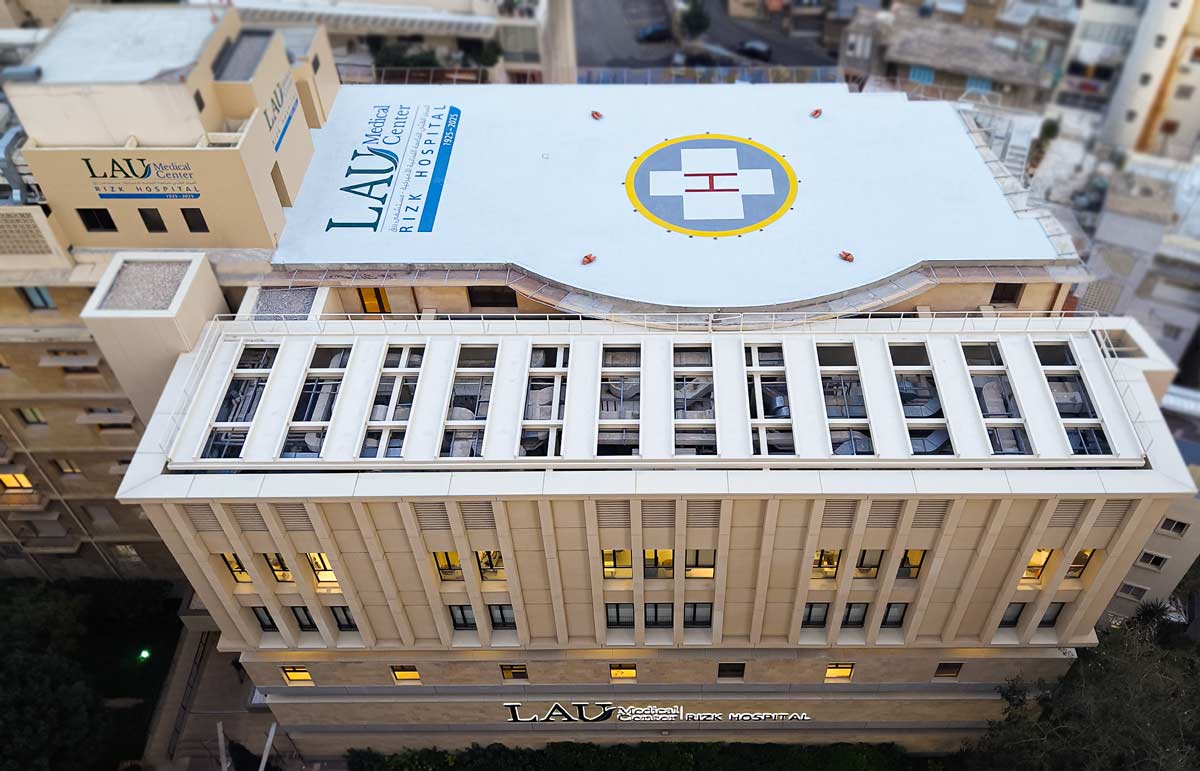
When a case requires insight from more than one field, specialists can confer within the same academic medical center. Anesthesia professionals, nurses, operating room teams, and other healthcare professionals contribute to preparation and procedural safety. After surgery, the team follows the patient’s progress, responds to changing needs, and coordinates the next steps in care. This continuity allows technology, clinical expertise, and compassionate support to remain connected throughout the patient journey.
The program’s academic environment adds another dimension. Its surgeons do more than perform procedures. As educators, trainers, and proctors, they share knowledge, examine evolving techniques, and help other physicians strengthen their robotic surgery skills. This culture of learning encourages careful evaluation rather than the automatic adoption of technology. New capabilities are considered through the same lens that guides patient care: safety, evidence, appropriateness, and meaningful benefit.
 For patients in Lebanon, the result is access to a comprehensive robotic surgery program closer to home. Care is provided by physicians who combine international training with direct clinical experience and who remain available within the medical center throughout the course of treatment. The program also builds on LAU Medical Center–Rizk Hospital’s long-standing commitment to clinical excellence, education, and compassionate care.
Robotic surgery is often described through the sophistication of its technology. Its true value, however, is determined by the people using it and the purpose it serves. At LAU Medical Center–Rizk Hospital, precision begins with expertise, safety begins with sound judgment, and every advancement remains centered on the person who matters most: the patient.
The LAU Robotic Surgery Program
The Technology is Robotic. The Care is Human.