Cancer Prevention: At the Heart of Longevity Medicine and the Future of Oncology
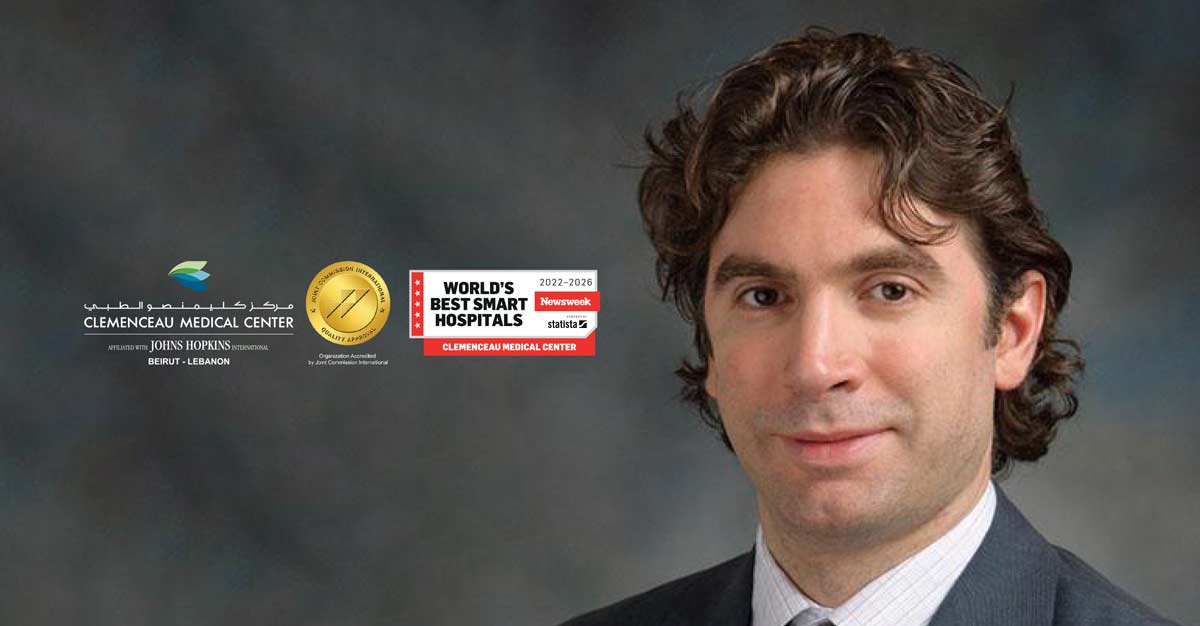
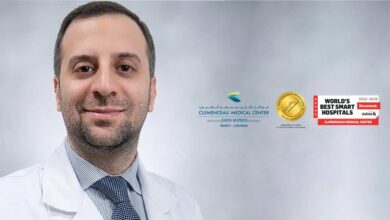
As longevity medicine shifts the focus from extending lifespan to preserving long-term health and quality of life, cancer prevention has become an essential component of modern healthcare. Advances in genetics, precision medicine, artificial intelligence, and early detection are transforming how cancer risk is assessed and managed, enabling more personalized and proactive prevention strategies. In this interview, Prof. Adel Tabchy, Director of the Cancer Center at Clemenceau Medical Center Beirut (CMC), Professor of Medicine, and an oncologist specializing in breast and women’s cancers, discusses the growing role of cancer prevention in longevity medicine, the importance of organized screening programs, and how innovation is reshaping the future of oncology; from preventing disease before it develops to improving survival and lifelong well-being.
How does cancer prevention fit within the broader concept of longevity medicine?
Cancer prevention is one of the central pillars of longevity medicine because cancer is one of the major diseases that limits both lifespan and healthspan. Longevity should not be understood only as living longer, but as living longer with preserved vitality, independence, and quality of life.
In our cancer center, we view prevention as the bridge between oncology, wellness, genetics, nutrition, metabolic health, and early diagnosis. A true longevity program must identify cancer risk early, reduce modifiable risk factors, and detect disease at a stage where cure is highly achievable.
This means integrating screening, vaccination, smoking cessation, weight management, exercise, genetic counseling, and advanced diagnostics into one coordinated strategy. Cancer prevention also gives people a sense of control over their future health rather than leaving them to wait passively for disease to appear. In the Middle East, where lifestyle-related diseases, smoking, obesity, and delayed screening remain major challenges, cancer prevention is not optional; it is essential. The future of oncology will not only be about treating cancer better but about preventing more cancers from ever developing.
To what extent can cancer risk be reduced through preventive strategies and lifestyle interventions?
A significant proportion of cancers can be prevented through evidence-based lifestyle and public health interventions. The most powerful measures include avoiding tobacco use, maintaining a healthy weight, exercising regularly, limiting alcohol intake, eating a high-quality diet, receiving appropriate vaccines, and participating in recommended screening programs. Tobacco control alone can dramatically reduce lung cancer and several other malignancies, including bladder, head and neck, pancreatic, and esophageal cancers. Vaccination against HPV can prevent most cervical cancers and reduce other HPV-related cancers, while hepatitis B vaccination reduces the risk of liver cancer.
Obesity reduction and metabolic health are increasingly important because excess weight is linked to breast, colorectal, endometrial, liver, kidney, and pancreatic cancers.
However, prevention is not only about individual choices; it also requires healthcare systems to create access, education, reminders, and culturally appropriate programs. Genetics also matters because some individuals require earlier or more intensive prevention strategies. The reality is that we cannot prevent any cancer, but we can meaningfully reduce population risk and shift many cancers toward earlier, more curable stages.
What are the most important cancer screening programs that healthcare systems should prioritize today?
Healthcare systems should prioritize screening programs that have strong evidence, high disease burden, and clear pathways for diagnosis and treatment. Breast cancer screening with mammography remains essential, especially because breast cancer is the most common cancer among women in many Middle Eastern countries.
Colorectal cancer screening is also a major priority, using colonoscopy or stool-based testing, because it can both detect cancer early and prevent cancer by removing precancerous polyps. Cervical cancer screening with HPV testing or Pap testing, combined with HPV vaccination, should be a public health priority because cervical cancer is highly preventable.
Lung cancer screening with low-dose CT should be offered to selected high-risk smokers and former smokers, particularly in regions with high rates of tobacco and waterpipe smoking. Hepatitis-related liver cancer prevention and surveillance are also important in patients with chronic hepatitis B, hepatitis C, or cirrhosis. For high-risk individuals, screening must be personalized based on family history, genetic mutations, prior cancer history, and lifestyle risks. The key is not simply to offer screening, but to build organized programs with registries, reminders, quality control, navigation, and rapid referral when abnormalities are found.
How are advances in genetics and precision medicine transforming cancer risk assessment and early detection?
Genetics is transforming prevention by allowing us to move from a one-size-fits-all approach to a personalized risk-based model. Germline testing can identify inherited cancer predisposition syndromes such as BRCA1, BRCA2, Lynch syndrome, PALB2, TP53, ATM, CHEK2, and others.
When we identify these mutations before cancer develops, we can offer enhanced surveillance, preventive surgery in selected cases, chemoprevention, and counseling for family members.
Precision medicine also allows us to combine genetic risk with family history, lifestyle factors, breast density, polygenic risk scores, and prior medical history to estimate risk more accurately.
In early detection, molecular tools are expanding rapidly, including circulating tumor DNA, methylation signatures, and other blood-based biomarkers. These technologies are promising, but they must be introduced responsibly, because early detection tests need to prove that they improve outcomes and do not create unnecessary anxiety or procedures. In our region, genetics is especially important because many families are large, and identifying one hereditary mutation can protect several relatives across generations. The future will be a prevention clinic where genomics, imaging, laboratory biomarkers, and lifestyle medicine work together.
What role does early diagnosis play in improving both survival and long-term quality of life?
Early diagnosis is one of the most powerful tools in oncology because most cancers are more curable when detected at an early stage. Small breast cancer, colon cancer, lung cancer, or cervical cancer found early often requires less aggressive treatment and has a much higher chance of cure.
Early diagnosis not only improves survival; it also reduces the burden of treatment. Patients diagnosed early may avoid extensive surgery, intensive chemotherapy, prolonged hospitalizations, or complications from advanced disease. This has a direct impact on long-term quality of life, body image, fertility, work, family life, mental health, and financial toxicity. In contrast, late-stage diagnosis often transforms cancer into a chronic or life-threatening illness requiring complex systemic therapy. For healthcare systems, early diagnosis also reduces cost because treating advanced cancer is far more expensive than detecting and treating early diseases.
Our mission should be to make early diagnosis the norm, not the exception, through awareness, screening access, rapid diagnostic pathways, and community trust.
How can hospitals strengthen their cancer prevention and awareness initiatives within their communities?
Hospitals must move beyond the traditional role of treating patients who arrive with cancer and become active leaders in community prevention. This means creating outreach programs in schools, universities, workplaces, municipalities, and primary care clinics. Awareness campaigns should be continuous, not limited to one month per year, and they should be adapted to local culture, language, and health beliefs.
Hospitals can provide screening days, mobile mammography, colon cancer screening programs, smoking cessation clinics, vaccination campaigns, and genetic counseling services. A strong cancer center should also train primary care physicians, gynecologists, gastroenterologists, pulmonologists, and community nurses to identify risk and refer appropriately. Digital tools are also important, including reminders, patient portals, risk calculators, educational videos, and telemedicine follow-up.
In Lebanon and the Middle East, trust is crucial, so hospitals must communicate clearly and avoid fear-based messaging. The most effective awareness programs are those that empower people with practical steps: what to screen for, when to screen, where to go, and what to do next.
What lifestyle factors have the strongest influence on reducing cancer risk across populations?
The strongest lifestyle factor by far is avoiding tobacco in all forms, including cigarettes, cigars, waterpipe, and exposure to secondhand smoke. Tobacco is linked to many cancers and remains one of the most preventable causes of cancer worldwide. The second major factor is maintaining a healthy body weight and metabolic profile, because obesity, insulin resistance, and chronic inflammation are increasingly linked to cancer risk. Regular physical activity has a protective effect and should be viewed almost like a prescription for prevention, not just a fitness recommendation.
Diet also matters: a pattern rich in vegetables, fruits, legumes, whole grains, nuts, and healthy fats, with lower intake of processed meats, excess sugar, and ultra-processed foods, is preferable.
Alcohol limitation is important, because even moderate alcohol consumption can increase the risk of several cancers, especially breast and gastrointestinal cancers.
Sun protection is essential in a region with intense sun exposure, particularly for skin cancer prevention.
Finally, sleep, stress reduction, and mental well-being may indirectly support cancer prevention by improving immunity, metabolism, adherence to healthy behaviors, and overall resilience.
How do you see technologies such as artificial intelligence and liquid biopsy shaping the future of cancer prevention?
Artificial intelligence will play a major role in cancer prevention by helping us identify risk earlier, interpret imaging more accurately, and personalize screening schedules. AI can analyze mammograms, CT scans, pathology slides, endoscopy images, and electronic health records to detect patterns that may be missed by the human eye. It can also help healthcare systems identify patients who are overdue for screening or who have high-risk combinations of family history, lifestyle, and laboratory findings. Liquid biopsy is one of the most exciting areas because it offers the possibility of detecting cancer signals through a blood test before symptoms appear. This may eventually help us detect cancers that currently lack good screening tools, such as pancreatic, ovarian, and certain gastrointestinal cancers.
However, we must be careful: a screening test is only valuable if it leads to earlier treatment, better outcomes, and acceptable rates of false positives and false negatives. The future will likely combine AI, imaging, genomics, liquid biopsy, and clinical risk models rather than relying on one tool alone. For a major cancer center in the Middle East, the opportunity is to adopt these technologies early but responsibly, with strong clinical validation and ethical oversight.
What are the biggest challenges healthcare systems face in moving from cancer treatment to cancer prevention?
The biggest challenge is that most healthcare systems are still built to treat disease rather than prevent it. Healthcare funding, infrastructure, clinical workflows, and public expectations remain centered on treatment after diagnosis. Prevention requires long-term investment, while its benefits may take years to become evident.
Another challenge is limited public awareness. Many people delay screening because of fear, misinformation, cost, or the misconception that testing is only necessary when symptoms appear. Access to screening also remains uneven across different communities. Effective prevention requires close collaboration among oncology, primary care, radiology, pathology, genetics, public health, and community organizations.
In addition, many health systems lack robust data infrastructure, allowing eligible patients to miss recommended screening and follow-up. Making cancer prevention a national and institutional priority; with clear targets, sustainable funding, and strong leadership; is essential to achieving lasting progress.
What developments in oncology give you the greatest optimism for improving longevity outcomes in the years ahead?
I am most optimistic about the convergence of prevention, early detection, precision medicine, and survivorship care. As our understanding of cancer at the molecular level advances, treatments are becoming more targeted, effective, and less toxic. Immunotherapy has already transformed the treatment of several cancers, and its use is expanding to earlier stages of disease. At the same time, targeted therapies, antibody-drug conjugates, cellular therapies, and radioligand therapies are providing new options for patients. Advances in screening, genetics, artificial intelligence, and liquid biopsy are also making it possible to detect more cancers at earlier, potentially curable stages.
Leran more: https://www.cmc.com.lb/