Healing Through Water: The Rise of Hydrotherapy in Modern Medicine
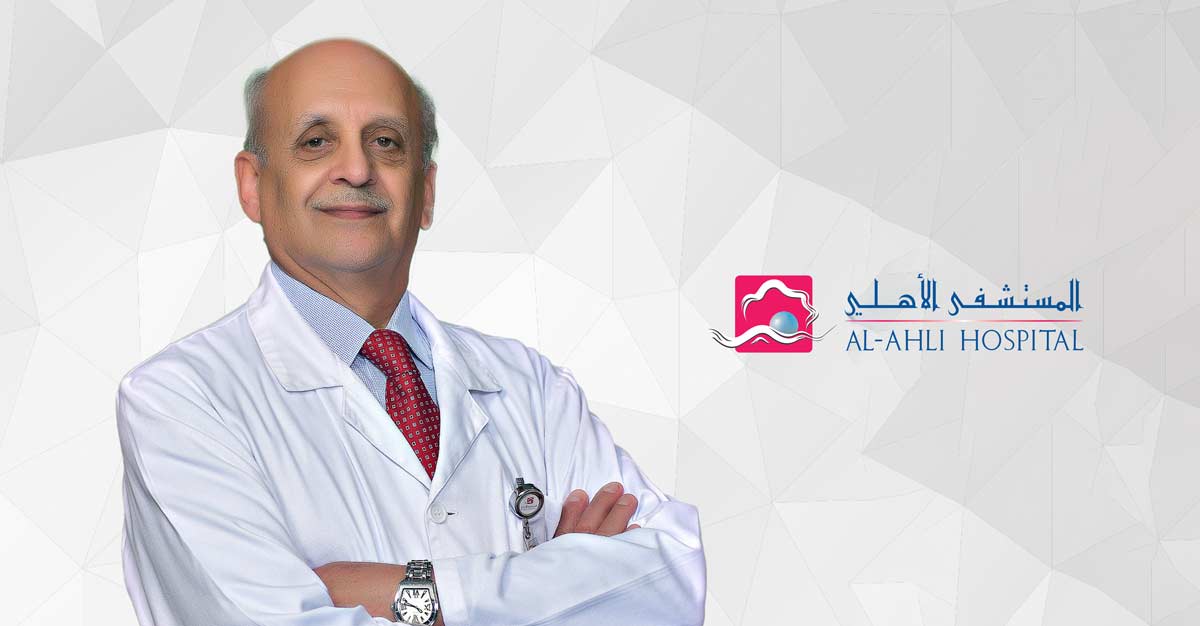
By Mr. Azzaz Swais, Senior Physiotherapist - In charge at Al-Ahli Hospital/Qatar
In the evolving landscape of modern healthcare, the focus is no longer limited to treating illness—it has expanded to restoring function, enhancing recovery, and improving overall well-being. Among the therapies gaining renewed global attention is one of the oldest healing modalities known to humanity: hydrotherapy.
Today, hydrotherapy is being redefined through advances in science and technology, emerging as a powerful tool for rehabilitation, pain management, and wellness.
At Al-Ahli Hospital, the introduction of hydrotherapy as a new service reflects a forward-thinking approach to patient care—where innovation meets natural healing.
Water as Medicine: A Timeless Concept Reimagined
For centuries, water has been used therapeutically across cultures—from Roman baths to traditional healing practices. What has changed today is not the principle, but the precision. Modern hydrotherapy integrates:
- Controlled water temperature.
- Targeted resistance and buoyancy.
- Evidence-based rehabilitation protocols.
This transforms water into a highly controlled therapeutic environment.
What Is Hydrotherapy?
Hydrotherapy refers to the use of water in various forms—warm, cold, or pressurized—for therapeutic purposes. It is commonly used in:
- Physical rehabilitation.
- Musculoskeletal recovery.
- Neurological conditions.
- Sports injuries.
- Chronic pain management.
Unlike traditional physiotherapy, hydrotherapy leverages the unique properties of water to support movement in ways that are not possible on land.
The Science Behind Hydrotherapy
Water provides three key therapeutic advantages:
- Buoyancy: Reduces body weight, allowing patients to move with less strain on joints and muscles.
- Resistance: Water provides natural resistance, helping strengthen muscles in a safe, controlled manner.
- Hydrostatic Pressure: Improves circulation, reduces swelling, and enhances overall recovery.
- Together, these elements create an environment that promotes safe, gradual, and effective rehabilitation.
Clinical Benefits: Beyond Relaxation
While hydrotherapy is often associated with relaxation, its medical benefits are substantial:
- Reduced joint pain and stiffness.
- Improved mobility and flexibility.
- Faster post-surgical recovery.
- Enhanced muscle strength.
- Improved balance and coordination.
It is particularly beneficial for:
- Orthopedic patients (post-surgery or injury).
- Patients with arthritis.
- Neurological rehabilitation cases.
- Elderly patients with mobility limitations.
A Global Trend in Rehabilitation and Wellness
Hydrotherapy is gaining popularity worldwide as part of a broader shift toward:
- Non-invasive treatment approaches.
- Holistic and patient-centered care.
- Integration of wellness into medical practice.
Leading healthcare institutions are increasingly incorporating hydrotherapy into multidisciplinary treatment plans.
Hydrotherapy at Al-Ahli Hospital: A New Standard of Care
At Al-Ahli Hospital, hydrotherapy is not just an additional service; it is a carefully designed therapeutic experience. The facility offers:
- State-of-the-art hydrotherapy pools.
- Temperature-controlled environments.
- Specialized rehabilitation programs.
- Trained physiotherapists and rehabilitation experts.
- Each session is tailored to the patient’s condition, ensuring optimal outcomes.
Enhancing Recovery, Redefining Experience
One of the most remarkable aspects of hydrotherapy is how it transforms the patient’s experience. Patients often report:
- Reduced fear of movement.
- Greater comfort during therapy.
- Improved motivation and engagement.
- Faster functional recovery.
This shift from discomfort to confidence-driven rehabilitation is a key differentiator.
Hydrotherapy and Lifestyle Medicine
Beyond rehabilitation, hydrotherapy is increasingly being used in preventive and lifestyle medicine. Regular sessions can:
- Reduce stress and anxiety.
- Improve circulation.
- Support muscle recovery for active individuals.
- Enhance overall well-being.
This aligns with the growing global emphasis on wellness as a core component of healthcare.
The Future of Water-Based Therapy
As technology advances, hydrotherapy is expected to evolve further through:
- Smart monitoring systems.
- AI-assisted rehabilitation plans.
- Integration with wearable health devices.
At Al-Ahli Hospital, the commitment to innovation ensures that patients benefit from the latest advancements in therapeutic care.
A Message from Mr. Azzaz Swais
“Hydrotherapy represents the perfect balance between science and nature. It allows us to support recovery in a way that is both effective and deeply comfortable for the patient.”