Talking Breast Cancer with 4 Acıbadem Specialists in Itanbul, Türkiye

October is Breast Cancer Awareness Month, a time dedicated to raising awareness about one of the most common cancers among women. Breast cancer affects approximately 1 in 8 women during their lifetime. Throughout October, hospitals and patient organizations hold various activities to promote awareness and provide reliable information about breast cancer.
Everything You Should Know About Breast Cancer in 10 Questions
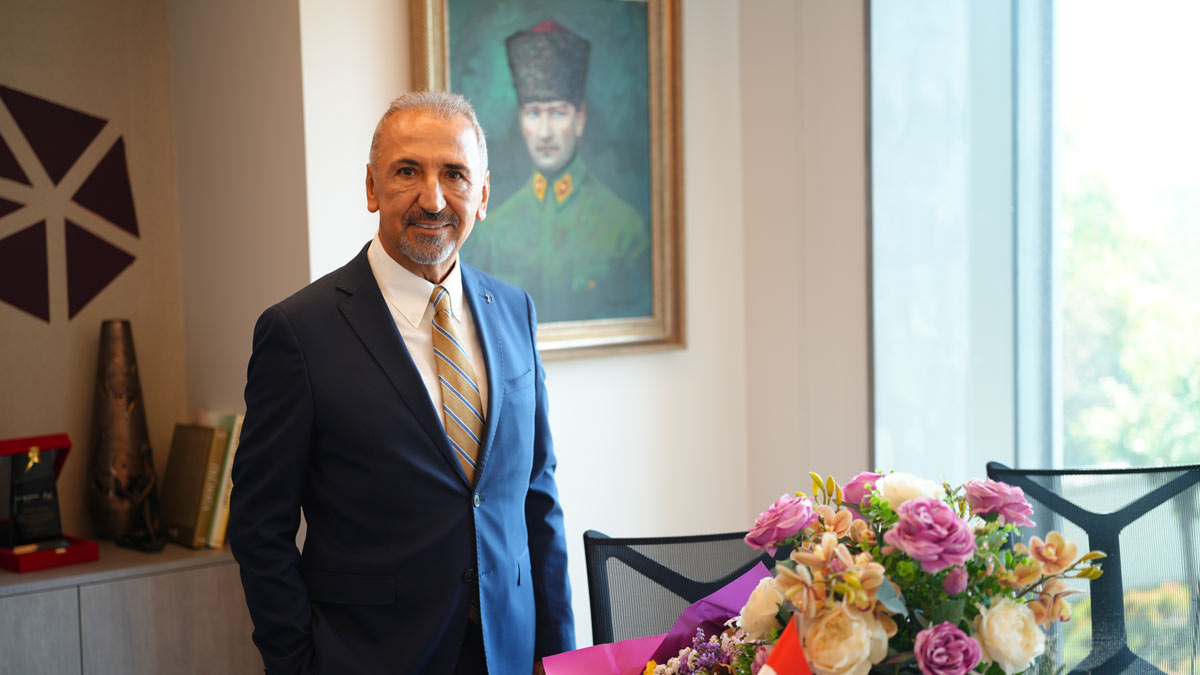
That is why we brought together four specialists to talk about breast cancer from different perspectives. Prof. Cihan Uras is a renowned general surgeon with almost 40 years of experience and extensive expertise in breast cancer surgery. He chairs the Breast Cancer Clinic at Acıbadem Maslak Hospital, the Acıbadem University Senology Institute, the Department of General Surgery at Acıbadem University, and the BREASTANBUL Conference.
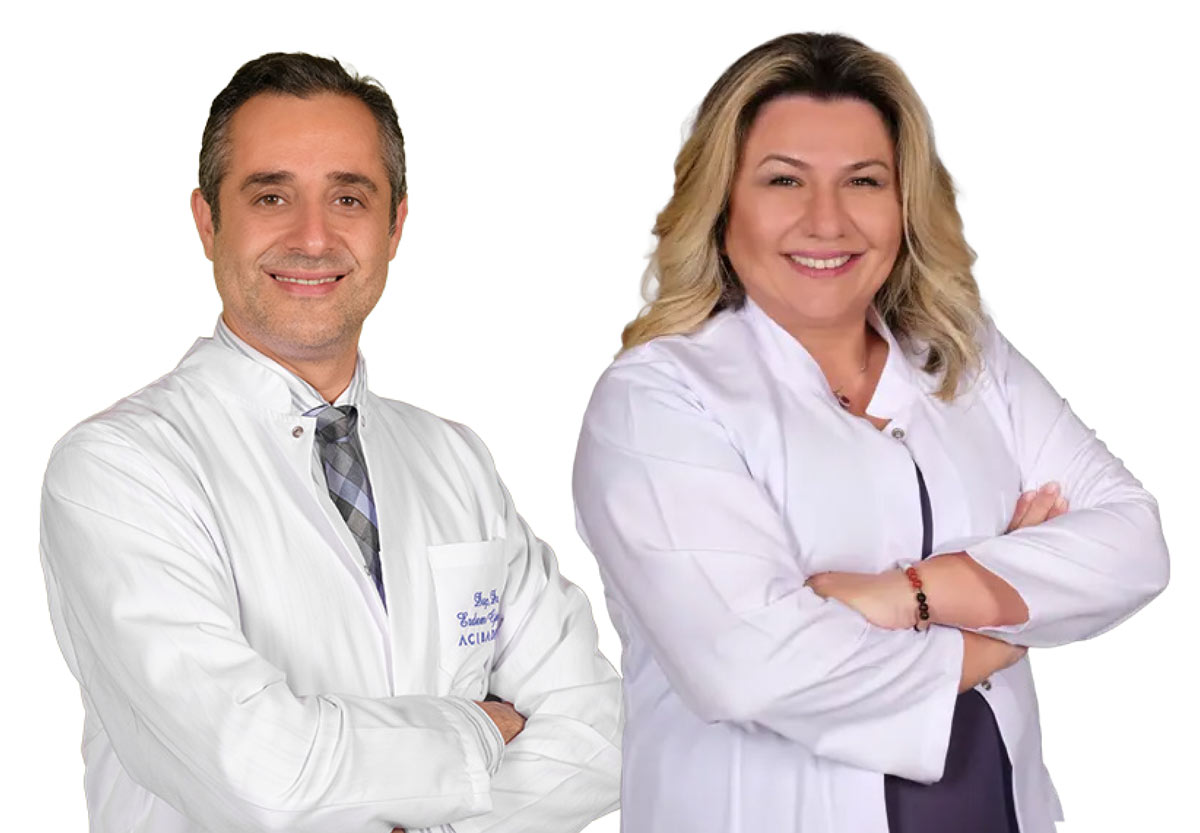
Joining the discussion are Prof. Özlem Sönmez, Medical Oncology; Assoc. Prof. Serap Yücel, Radiation Oncology; and Assoc. Prof. Erdem Güven, Plastic Surgery.
First of all, can we say that breast cancer is highly curable?
Cihan Uras: Yes, definitely. There is both bad news and good news about breast cancer. The bad news is that it is very common, and we also see breast cancer in younger women. The good news, however, is that year by year, we are getting better at diagnosing and treating the disease. When breast cancer is detected at an early stage, the chances of successful treatment are very high, with surgery playing a major role. In more advanced stages, we combine systemic therapies with radiotherapy and other treatment options to achieve the best possible outcome.
Could you briefly explain your approach to breast cancer treatment at your clinic?
Özlem Sönmez: One of the most important things to understand is that breast cancer treatment is highly personalized. There is no single treatment that is right for every patient. Each treatment plan is designed for the individual patient. We consider the stage of the disease, the biology of the tumor, hormone receptor status, HER2 status, the patient’s overall health, and personal preferences. Treatment may include surgery, radiation therapy, and systemic treatments such as chemotherapy, hormone therapy, targeted therapy, immunotherapy, and antibody-drug conjugates (ADCs). Today, we no longer think of breast cancer as a single disease. Instead, we treat the specific type of breast cancer that each patient has. That is the essence of personalized medicine.
When is breast-conserving surgery possible for breast cancer patients?
Cihan Uras: Breast-conserving surgery removes only the tumor and a small margin of surrounding healthy tissue while preserving most of the breast. Today, this approach is possible in roughly 80 percent of cases.
When necessary, we also use oncoplastic surgical techniques to achieve a better aesthetic outcome. In some cases, however, the entire breast may need to be removed. We preserve the nipple and breast skin while removing the breast tissue. We can perform these procedures through very small incisions using endoscopic and robotic surgical techniques. Following the removal of the breast, reconstructive surgery can also be performed during the same operation. In this way, we can treat the cancer and address the patient’s aesthetic concerns in a single operation. Therefore, we can also contribute to a better quality of life for the patient after treatment.
How can we address the aesthetic concerns of patients diagnosed with breast cancer?
Erdem Güven: Breast reconstruction can be performed immediately after breast cancer surgery, during the same operation. When the breast is removed entirely or partially, the skin, nipple, and areola can be preserved when oncologically appropriate, followed by immediate reconstruction. Reconstruction is often performed using breast implants and can provide excellent aesthetic outcomes.
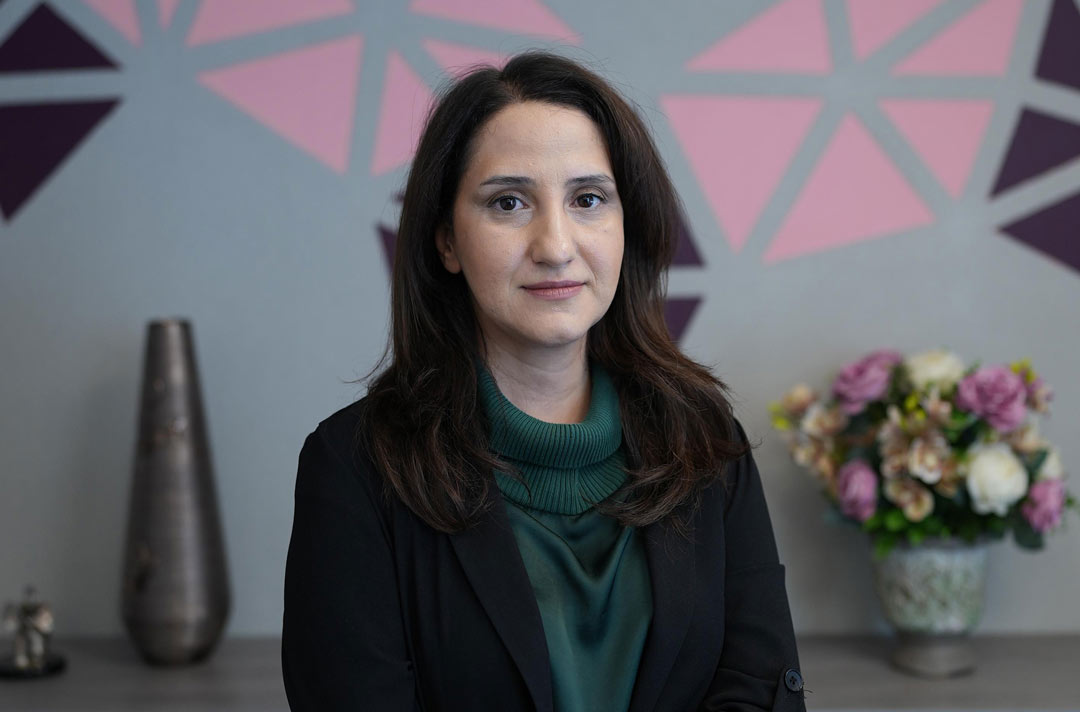
When is radiotherapy recommended for breast cancer?
Serap Yücel: Radiotherapy is one of the main treatment modalities for breast cancer. The indication depends on the individual patient and the characteristics of the disease. After breast-conserving surgery, radiotherapy is generally recommended to reduce the risk of cancer coming back in the breast. It may also be recommended after mastectomy, particularly for patients with a higher risk of local or regional recurrence, such as those with lymph node involvement or larger tumors. For some patients, the regional lymph nodes may also need to be included in the treatment area.
We have known about chemotherapy for many years. What other systemic treatment options are available today?
Özlem Sönmez: Systemic therapies is an umbrella term that includes chemotherapy, immunotherapy, targeted therapy, and hormone therapy. These treatments can be administered orally or intravenously. Today, highly effective and specific medications are available for different types of breast cancer, and they can be used in both the early and advanced stages of the disease.
Staying motivated is also an important part of the treatment journey, isn’t it?
Cihan Uras: We must truly understand what the patient is going through. That’s very important. Yes, there is a disease that needs to be treated, but today we can manage breast cancer very successfully in many patients. There is no need to lose hope. Staying motivated during treatment is crucial for all of us. I believe strong morale is vital because it boosts the immune system, and the immune system fights cancer cells.
A multidisciplinary approach is essential in breast cancer treatment, isn’t it?
Özlem Sönmez: Yes, absolutely. At Acıbadem, all relevant medical specialties come together not only to ensure an accurate diagnosis and effective treatment, but also to support patients throughout their treatment journey. Within the clinic, surgeons, medical oncologists, radiologists, radiation oncologists, geneticists, pathologists, plastic surgeons, nurses, psychologists, and dietitians work collaboratively. One of the key strengths of the Acıbadem Breast Cancer Unit is that each specialist is specifically trained in and dedicated to breast cancer care. Every week, the team discusses each patient’s case in detail to determine the most appropriate treatment plan. From diagnosis to recovery, the entire process is carefully planned, carried out, and closely monitored by a highly specialized multidisciplinary team.
Is there hope for patients with metastatic breast cancer?
Cihan Uras: In the past, a diagnosis of metastatic breast cancer was associated with a much poorer prognosis. However, today, thanks to advances in chemotherapy, targeted therapies, immunotherapy, and other systemic treatments, outcomes have significantly improved. Recently, I operated on a patient who had been diagnosed with metastatic breast cancer at our clinic three years earlier. She had undergone chemotherapy and anti-hormonal therapy. When we re-evaluated her condition, everything looked very good. Only small tumors remained in the breast and axilla, and we removed them. In the past, we would not have considered surgery for a patient in this situation. Today, treatment options have changed significantly for the better.
Could you also briefly tell us about your clinic?
Cihan Uras: At the Acıbadem Breast Cancer Clinic, we have been caring for patients for almost 25 years. Our clinic and our team have continued to develop year by year. This long-standing experience allows us to manage the treatment process more smoothly, even with the high number of patients we see at our center. Our clinic serves not only patients from Türkiye but also patients from around the world who come to us seeking advanced treatment options. Being recognized as a trusted international center reflects the credibility of Türkiye, Acıbadem, and our clinic. Serving international patients is both a great responsibility and a true source of happiness for us. Every patient is unique and becomes like a member of our family. We always aim to do our very best for them.