HPO.TECH and the regulatory case for hyperbaric care in the Gulf
The Istanbul manufacturer has spent years assembling the clearances that let its pressure systems into Gulf hospitals.

Hyperbaric oxygen therapy has moved from the margins of Gulf healthcare into the wards, sports-medicine units and specialist centres that use it for a very specific set of protocols. And the equipment that provides the therapy is under more regulatory scrutiny than ever. A treatment chamber is two things at once: a clinical device and a human-occupancy pressure vessel. Before any hospital writes a protocol, they ask the manufacturer if they can document that its systems are built, tested and cleared to the high standards the hospital setting demands.
HPO.TECH has built its regional position on that documentation. The company designs and manufactures hyperbaric, hypobaric and multibaric systems installed in more than 100 countries, and its Gulf presence is strengthened by an impressive list of certifications, something that’s of utmost importance to a hospital procurement and biomedical engineering department.
Let’s start with the manufacturing and quality backbone. HPO.TECH holds EU MDR 2017/745 certification, the European medical device framework that Gulf health authorities widely recognise. Its chambers are built and stamped to ASME PVHO, the American standard specific to pressure vessels for human occupancy, alongside ASME U-Stamp construction and PED 2014/68/EU compliance. Quality management runs to ISO 13485 for medical devices and ISO 9001. For a hospital, this is the difference between a supplier who can demonstrate design control and traceability and one who cannot.
In Saudi Arabia, that foundation has translated into a direct market clearance. HPO.TECH holds a current Medical Device Marketing Authorisation from the Saudi Food and Drug Authority, covering chambers designed to deliver hyperbaric oxygen therapy, valid through 2028.
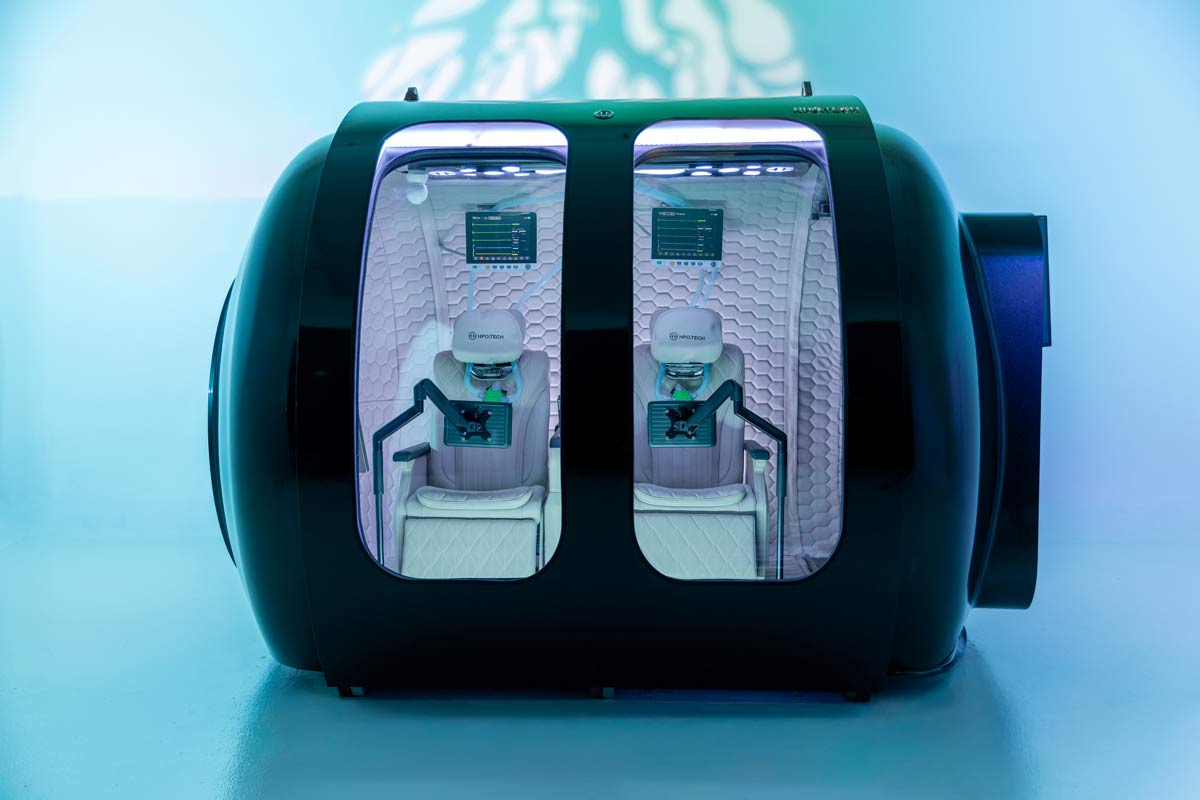
HPO.TECH hyperbaric chambers are in active use in hospitals and specialist centres across the region, and their reach extends past the clinical setting. In Saudi Arabia, elite football has adopted the equipment as part of its recovery setup, with Al Hilal among the clubs operating HPO.TECH systems, alongside others in the Saudi Pro League. Can’t get there unless you have elite engineering and all the certifications necessary for these types of organizations.
Across the wider Gulf region, the approach is consistent. The internationally recognised certifications provide the basis on which regional authorities assess the equipment, and HPO.TECH secures in-country authorisation where each market requires it. It is unglamorous work, but that’s the point.
“Hospitals do not buy a pressure vessel on a brochure. They buy the file behind it: the clearances, the standards, the traceability,” says Alexandru Harbuzaru, Chief Business Development Officer at HPO.TECH. “Our work in the Gulf has been to make that file complete before anyone asks for it.”
Where the systems are installed, they are supported through installation, staff training and long-term service rather than left at the door after delivery.
These are just a few reasons for which HPO.TECH has also become the choice of governments around the region, including the Kingdom of Saudi Arabia, United Arab Emirates, the Kingdom of Morocco and the Qatar government.
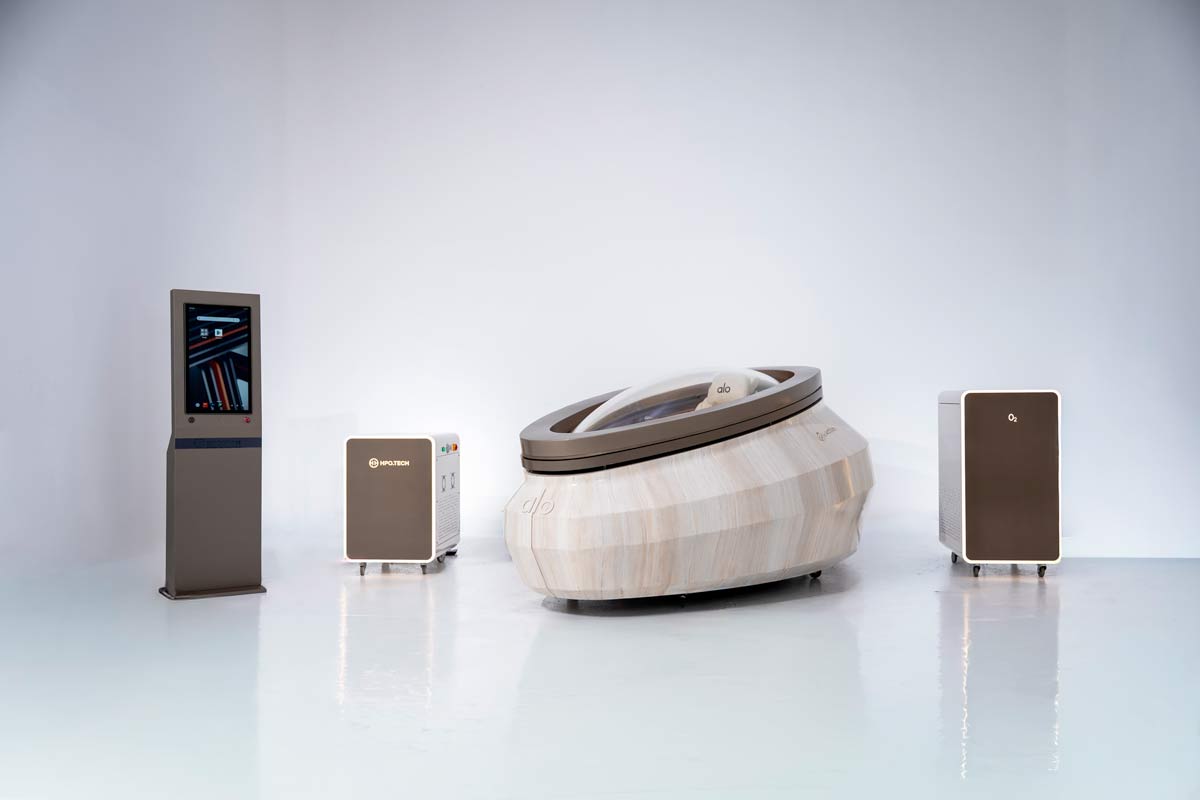
Beyond the ward: equine and camel chambers
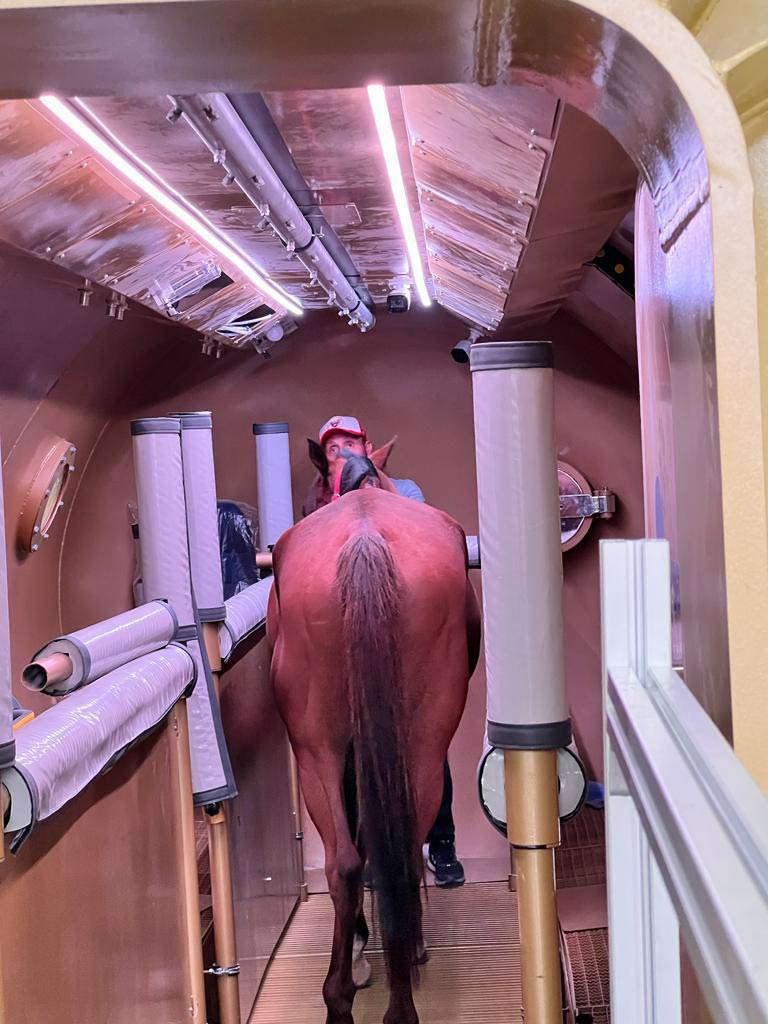
The same engineering discipline now extends into a use the Gulf understands better than most markets. HPO.TECH has deployed veterinary hyperbaric chambers built for large animals, with equine and camel systems now in place in Bahrain and the United Arab Emirates. The chambers apply the company’s established large-animal HBOT line to two animals of unusual economic and cultural weight in the region, where racing, breeding and bloodstock carry value that justifies clinical-grade recovery infrastructure of their own.
For the veterinary sector, the proposition mirrors the clinical one. The same rigorous testing done for humans is also done for veterinary care. Otherwise nobody would risk a million dollars horse on an uncertified and untested equipment.
Taken together, the portfolio describes a manufacturer that has chosen to compete on evidence rather than assertion. In a category where the equipment carries real physical and regulatory risk, you simply can’t do it any other way. And the company has proved that it’s worth it to take the hard way.