Intercontinental Remote Surgery Is Now a Reality
One day, the future arrives and becomes part of our lives. Today, that future is here
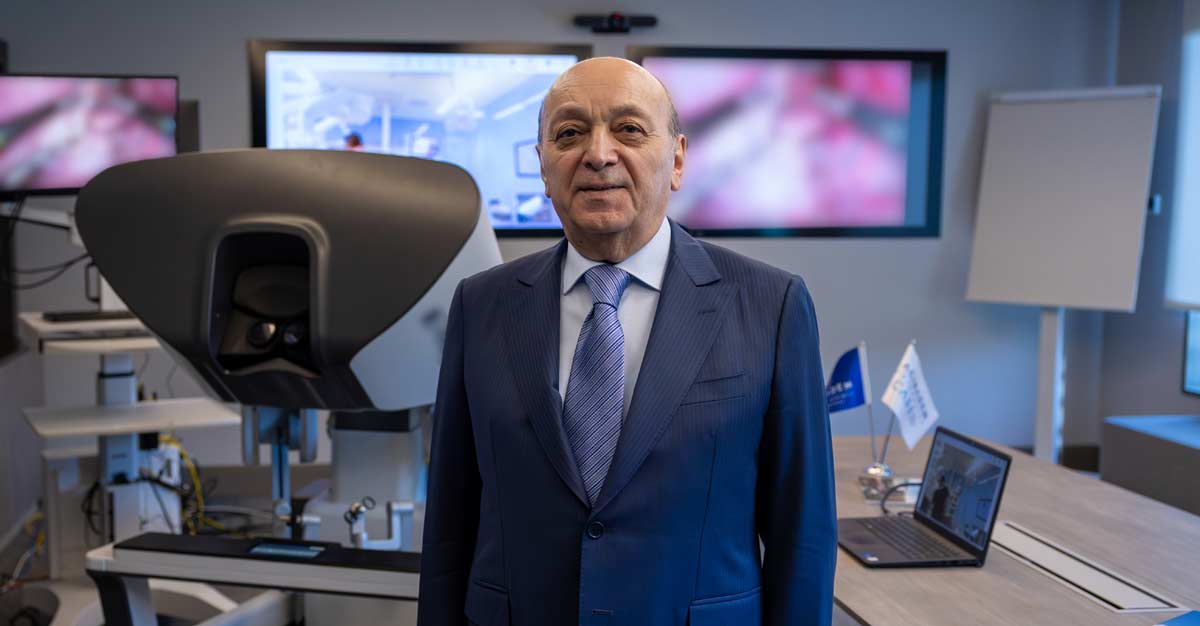
Over the past 20 years, tele-surgery, which involves performing surgeries remotely, has emerged as a promising development in medicine. In many expert discussions, it has been described as the future of healthcare. That future has now become reality. Surgeons at Acıbadem Healthcare Group have successfully performed a robotic surgery using 5G internet technology in İstanbul, marking the first procedure of its kind in the region.
Acıbadem Starts a New Era in Surgery
Rapid advancements in healthcare technology are redefining the boundaries of surgical procedures. The first-ever 5G-enabled remote robotic surgery in Türkiye was successfully performed for experimental purposes by establishing a real-time connection between two centers in different locations.
With this method, known as telesurgery, surgeons can operate on patients across cities, countries, or even continents. Enabled by 5G technology, with high imaging speed and latency reduced to under 1 millisecond, procedures can be performed remotely and reliably in real time.
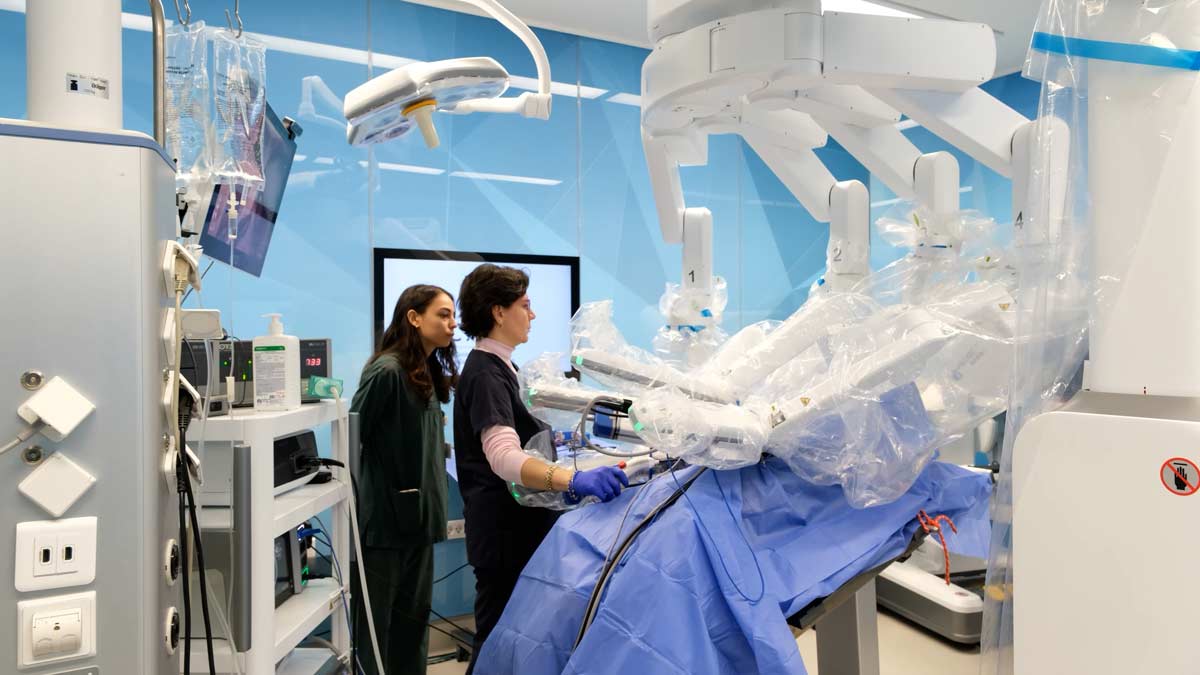
In this application, the surgeon’s movements are instantly transmitted through advanced robotic systems to the robotic arms in an operating room at another center, allowing the operation to be performed with high precision.
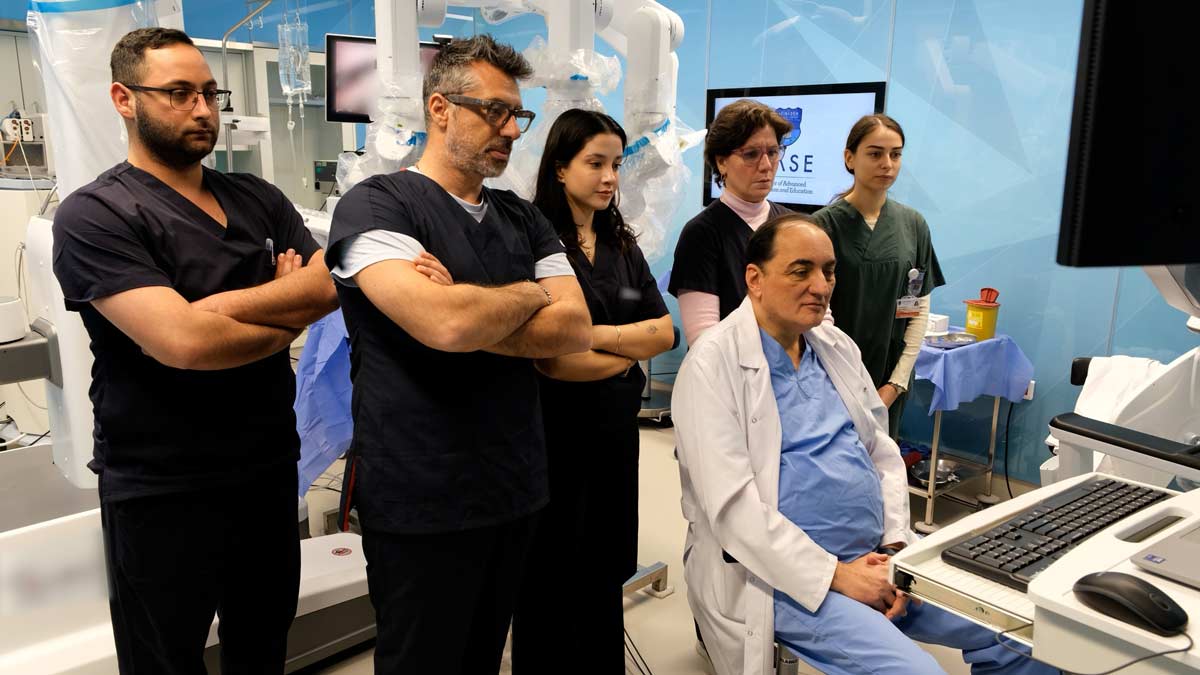
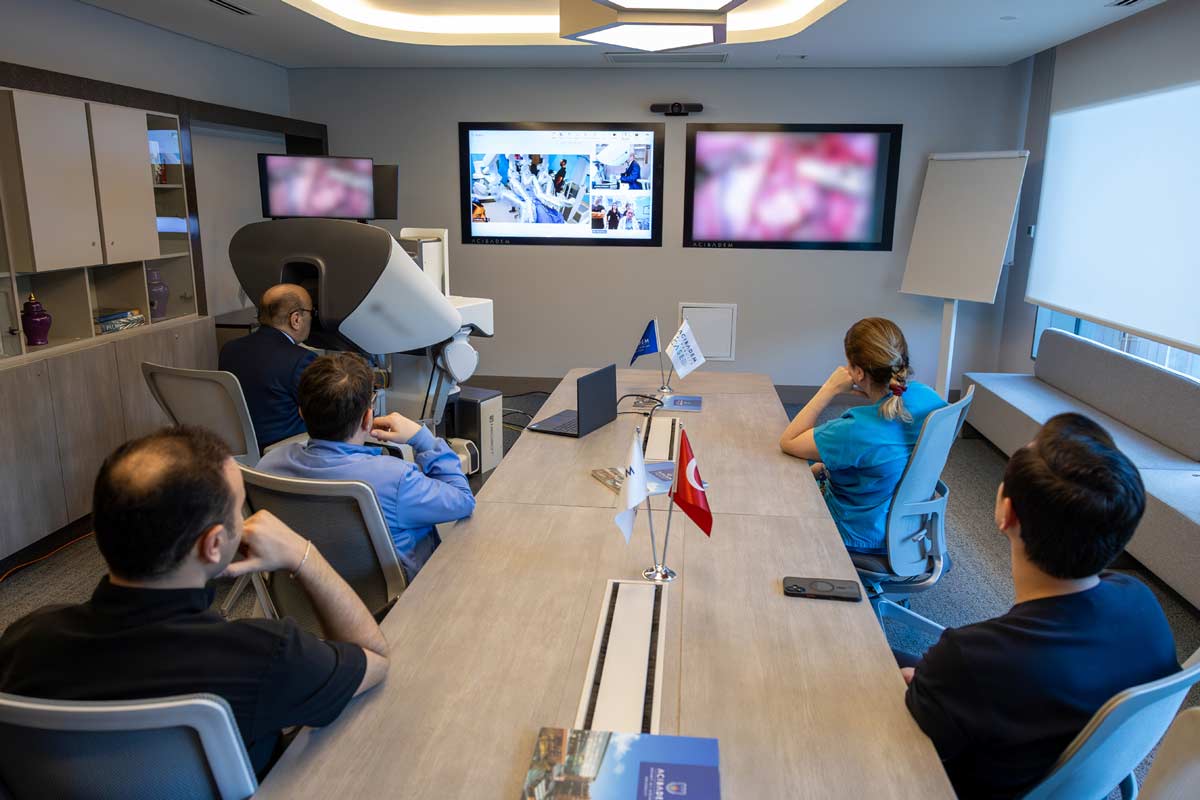
The first procedure in İstanbul, Türkiye was carried out simultaneously between Acıbadem University on the Asian side and Acıbadem Maslak Hospital on the European side of the city. The robotic surgery system located at the Acıbadem University Robotic Surgery Training Center was used for the first-ever telesurgery procedure in Türkiye. Ali Rıza Kural, a leading urology expert who performed the first robotic urologic surgeries in the country, operated the system from Acıbadem Maslak Hospital. The prostate surgery, performed on a test animal, was successfully completed.
A Brief History of Performing Surgeries Remotely
Professor Ali Rıza Kural explains the evolution of remote surgery technology as follows: “Remote surgery is the result of a concept that NASA explored nearly 40 years ago, which has since evolved into today’s advanced systems. At its current stage, thanks to extremely fast signal transmission and the development of 5G and fiber-optic technologies, it has become possible to perform live surgeries remotely.”
In 2001, French surgeon Jacques Marescaux performed a laparoscopic gallbladder surgery on a patient in Paris while operating from New York, using robotic systems and high-speed data connections. However, at that time, delays in internet signals and limited connection speeds caused latency in image transmission. Today, with delays measured in milliseconds, the surgeon’s movements can be transmitted almost instantly.
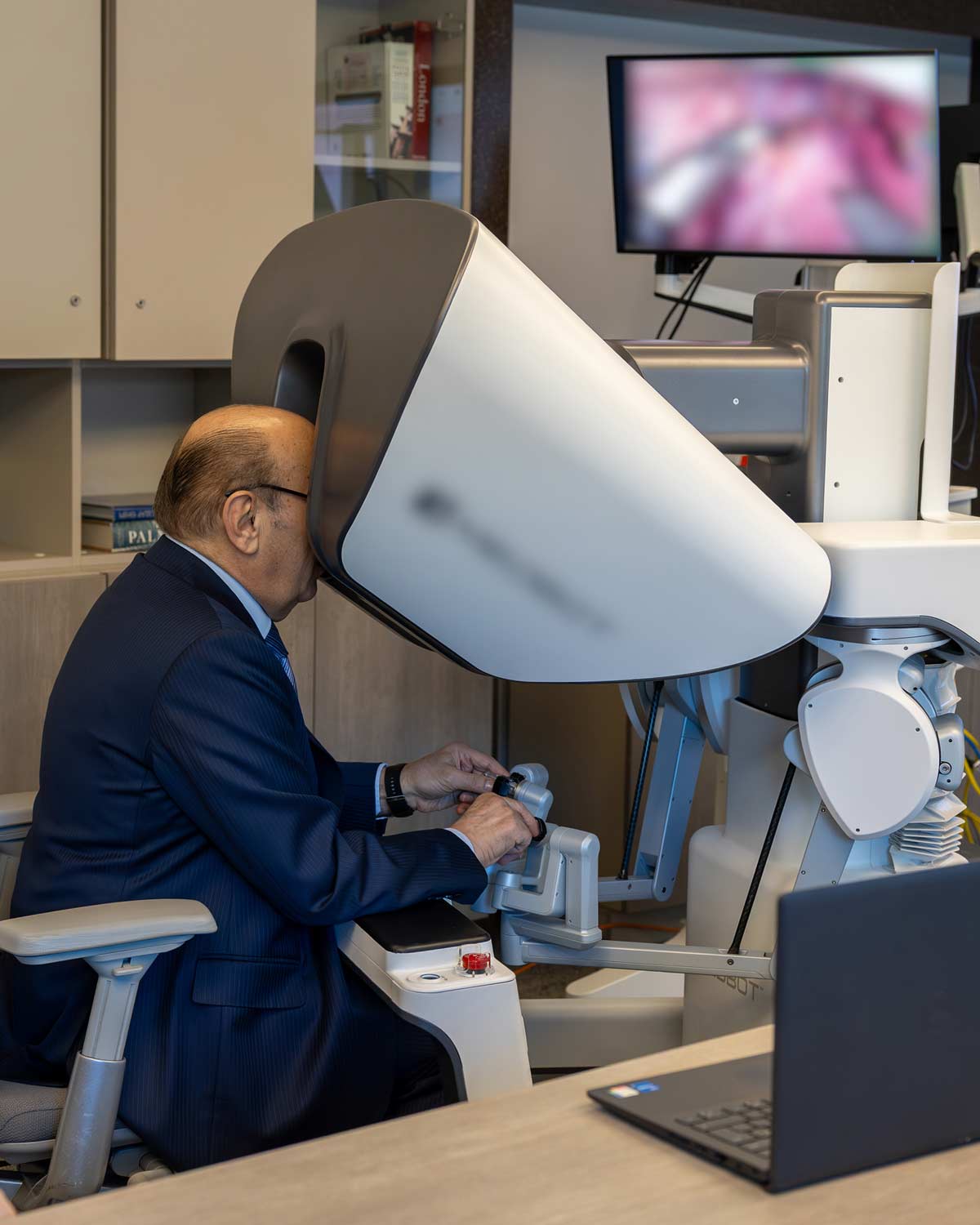
Today, these robotic systems allow surgeons to operate on patients from virtually anywhere in the world. They can connect remotely, guide procedures during critical moments, and take control when necessary. This capability enhances surgical success on a global scale and benefits patients. It is also important to note that the patient is never alone in the operating room. While the primary surgeon may be operating remotely, nurses remain present, and an on-site surgeon provides continuous support throughout the procedure.
Key Advantages of Remote Surgery
Assoc. Prof. Mehmet Emin Aksoy, Director of the CASE (Center of Advanced Medical Simulation and Education) at Acıbadem University, highlights the advantages of remote surgery: “This technology offers three key advantages for both patients and physicians. First, patients can access the surgeon of their choice, regardless of their location. Second, through the ‘telementoring’ method, a surgeon can provide remote support to another surgeon, access the robotic system, and guide the procedure. Third, in the field of education, instructors can provide remote training to surgeons without leaving their current location.”
Robotic surgery systems have been in use at Acıbadem for over 15 years. Thousands of patients have been treated for various diseases, particularly cancer. Today, robotic-assisted surgery is performed in six Acıbadem hospitals, delivering the best possible outcomes for patients from around the world. If you’d like to learn more, you may contact our international offices in your region.