The Latest Innovations in Type 1 Diabetes Care
Breakthrough Technologies Beyond Traditional Injections

Type 1 diabetes treatment has progressed far beyond the era of traditional insulin injections. Today, a new new generation of technologies, ranging from automated insulin delivery systems to smart devices, cell-based therapies, and immunomodulatory research, is reshaping the way patients manage their condition. These innovations not only improve blood glucose stability, but also bring us closer to the long-term goal of curative therapies.
While insulin therapy and healthy lifestyle habits remain the foundation of type 1 diabetes management, advanced digital tools and biotechnology solutions are elevating the standard of care. They offer patients tighter glucose control, greater flexibility, and a higher quality of life. This marks a true turning point in diabetes care.
Insulin Pumps: A Smarter Alternative to Daily Injections
Among the most transformative tools are insulin pumps. These compact, wearable devices deliver precise, continuous insulin through a small catheter inserted under the skin. They mimic the natural rhythm of a healthy pancreas by providing a steady “basal” rate of rapid-acting insulin throughout the day and night, while allowing users to administer additional “bolus” doses to cover meals or correct high glucose levels. An insulin pump system typically includes three key components.
- The pump unit. A small, programmable device containing an insulin reservoir, battery, and controls that allow easy adjustment of the basal rate over 24 hours.
- The infusion set. A thin tube and soft cannula placed under the skin and changed every few days.
- Rapid-acting insulin. Used exclusively to ensure quick, predictable responses to glucose changes.
This method reduces the need for repeated injections, offers exceptional dosing flexibility, and gives patients greater freedom in their daily activities, diet, and exercise routines.
The Artificial Pancreas: A Major Leap Toward Automated Diabetes Management
The artificial pancreas, also known as a hybrid closed-loop system, represents one of the most advanced breakthroughs in diabetes technology. It integrates three components, an insulin pump, a continuous glucose monitoring sensor, and an intelligent control algorithm, into a single automated system. Here is how it works.
- The CGM sensor continuously measures glucose levels in the interstitial fluid and sends real-time readings every few minutes.
- An advanced algorithm analyzes these readings and predicts glucose trends.
- The insulin pump automatically adjusts insulin delivery in response. It increases, decreases, or pauses insulin depending on the patient’s glucose levels.
This constant feedback loop significantly reduces dangerous highs and lows, improves time in range, and relieves patients of much of the daily burden of glucose management. It brings treatment closer to replicating the function of a healthy pancreas.
Smart Insulin Pens: Connecting Daily Injections to Intelligent Data
Smart insulin pens bridge traditional injection therapy with modern digital health tools. Equipped with wireless connectivity, usually via Bluetooth, they automatically record each insulin dose, including the exact time and amount, and sync the data with a smartphone app. These connected systems offer the following benefits.
- Automatic dose tracking
- Clear visual dashboards and glucose patterns
- Integration with continuous glucose monitoring data
- Reminders to avoid missed or duplicate doses
- Data sharing with healthcare providers for more accurate treatment adjustments
For patients who prefer injections over pumps, smart pens bring a new level of safety, precision, and convenience to daily diabetes management.
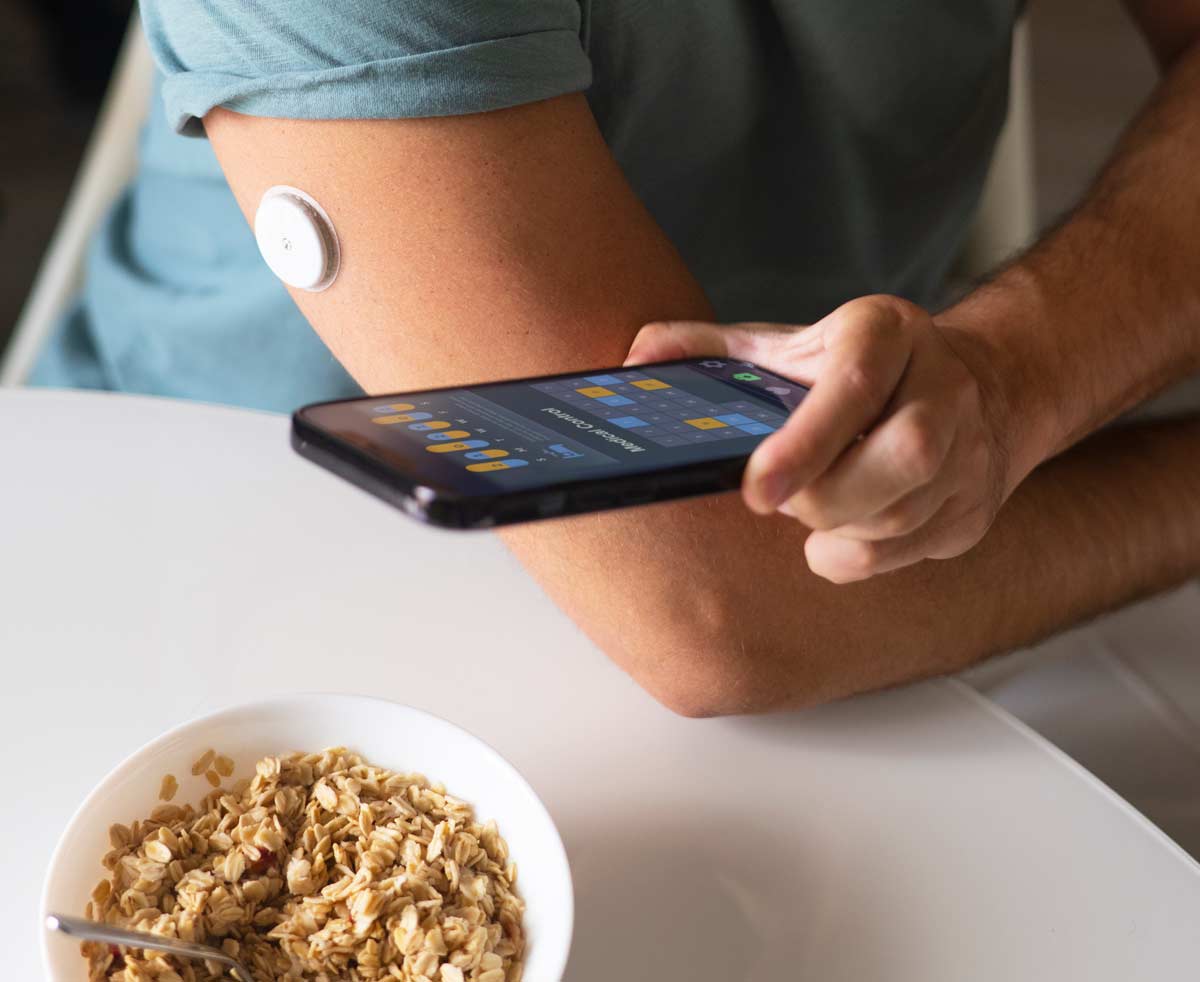
Continuous Glucose Monitoring (CGM): A Revolution in Real-Time Glucose Insight
Continuous glucose monitoring has transformed diabetes care by shifting from occasional finger-prick tests to a system that provides a complete picture of glucose levels throughout the day. A CGM system consists of the following components:
- A small sensor placed under the skin, usually on the arm or abdomen, that measures glucose in interstitial fluid.
- A transmitter that sits above the sensor and sends glucose data wirelessly.
- A receiver or smartphone app that displays real-time glucose readings, trends, and alerts.
CGM offers important advantages:
- Up to 288 glucose readings per day
- Predictive alerts for high or low blood sugar
- Graphs showing how food, exercise, stress, and medications affect glucose
- Less need for finger-stick testing
- More accurate decision-making for both patients and clinicians
These systems provide continuous, comprehensive data that help optimize treatment, prevent emergencies, and improve overall metabolic stability.
Adjunctive Medications: Enhancing Insulin Therapy
In addition to insulin, certain adjunctive medications can significantly improve glucose control in type 1 diabetes. Among the most promising are SGLT2 inhibitors, such as dapagliflozin. These medications work by blocking glucose reabsorption in the kidneys and increasing glucose excretion in the urine. As a result, blood glucose decreases in a way that does not depend on insulin.
Beyond glucose control, SGLT2 inhibitors offer added benefits, including weight reduction, cardiovascular protection, and improved metabolic outcomes. This makes them valuable complementary treatments for selected patients under medical supervision.
A Future Driven by Innovation and Precision
The treatment of type 1 diabetes is rapidly evolving from manual injection routines to intelligent, automated, and highly personalized technologies. With insulin pumps, closed-loop systems, smart pens, continuous glucose monitoring devices, and supportive medications, patients today can achieve better stability and a far higher quality of life.
With advancing research in immunotherapy, beta-cell replacement, and stem-cell science, the future holds even more promise. Each breakthrough brings us closer to the ultimate goal, restoring natural insulin production and potentially curing type 1 diabetes.