Henry Ford Orthopedics: Leading the Way in Research and Clinical Innovation
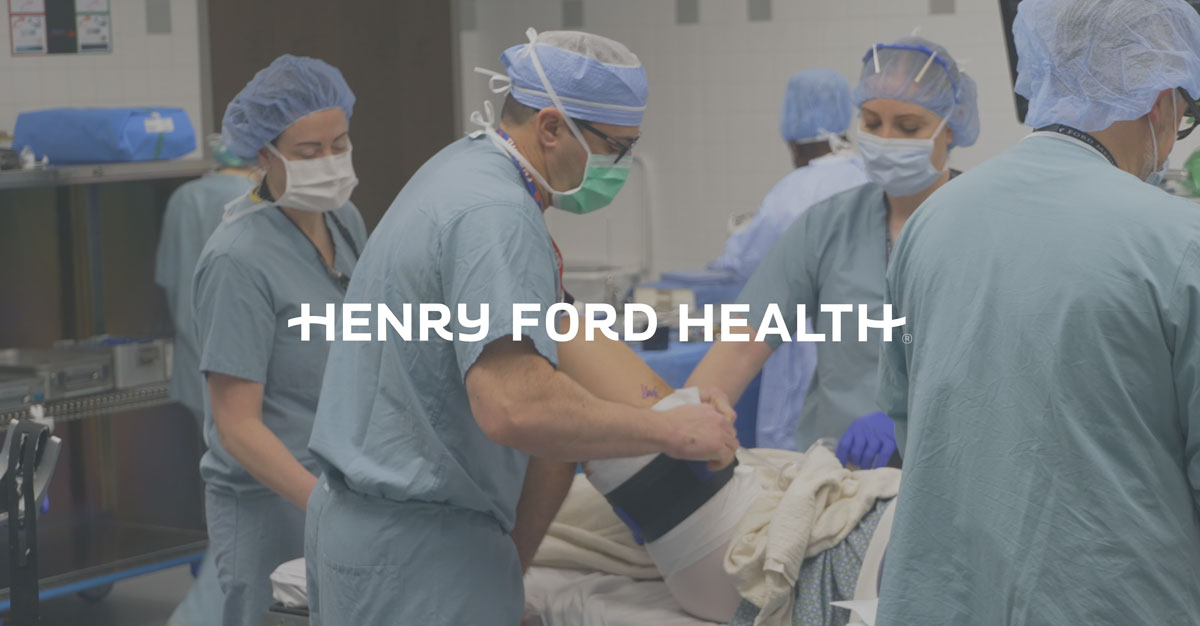
The Henry Ford Orthopedics team is driving the future of orthopedic treatment through translational research and the most effective care to get your patients back to their active lives, pain free. The program combines surgical excellence, evidence-based clinical practice and subspeciality expertise with research and innovation to treat orthopedic and sports-related injuries, restoring function, enhancing performance and improving patient outcomes across the continuum of care. It brings a proven, system-based approach to complex musculoskeletal care that translates globally. Henry Ford Health’s latest research and treatment advancements include:
Osteoarthritis (OA)
Osteoarthritis remains a major health challenge globally, and it can significantly impair daily activities and quality of life for millions worldwide. There is currently no cure nor any disease-modifying drugs for OA. The Henry Ford Health team is focused on developing novel diagnostic and therapeutic strategies and is experienced in the latest procedural treatments available:
- Bone and Joint Center (BJC): This research team is working across a wide spectrum of fields, including molecular biology, biomechanics and motion analysis to identify underlying molecular mechanisms of complex joint pathologies such as OA, including applying sequencing and other cutting-edge technologies to emerging areas of research such as epigenetics.
- Breakthrough discovery of microRNA for knee OA: A promising class of potential therapeutic targets is microRNAs (miRs, small RNA molecules that are found in tissues and fluids throughout the body. Henry Ford Health recently published a study in Nature Communications that highlights the potential of a specific microRNA, miR-126-3p, as both a biomarker and a therapeutic target for knee OA, which could revolutionize diagnosis and treatment for millions suffering from knee OA.
- Henry Ford Health OA Biobank: The use of clinical biospecimens in basic science research is critically important for supporting translation of findings from bench to bedside. The Henry Ford Health OA Biobank was established several years ago to collect joint tissues and biofluids from patients undergoing knee and hip surgeries, and this repository has grown to include biospecimens from roughly 500 consenting patients. It has banked multiple aliquots of each biospecimen collected to create a resource for the broader orthopedic research community, and it has published its protocol for collecting and analyzing seven primary knee OA tissues.
- ROSA robotic total knee replacements: ROSA provides data to create a 3D model of your patient’s knee, which enables the surgeon to plan and customize the surgery preoperatively. ROSA offers a more precise implant placement and improved ligament balance during knee replacement, which is important to your patient’s comfort and may improve their overall outcome and longevity of the knee replacement. Henry Ford Orthopedics has performed almost 3,000 ROSA robotic total knee replacements, the most in the United States and one of the highest in the world.

Hand and wrist surgery
Henry Ford’s nationally renowned hand and wrist surgeons have fellowship training in specialized upper extremity procedures, in addition to orthopedics or plastic surgery training. They treat the most complex hand and wrist conditions and offer less invasive techniques such as wide-awake surgery and arthroscopic surgery, which can help your patients recover faster and lower the risk of complications. The range of complex surgical procedures they offer include:
- Fracture fixation: The surgeon stabilizes broken and misaligned bones in the hand, wrist or elbow using advanced techniques that result in faster recovery.
- Microsurgery: Using a microscope and very fine sutures, the surgeon can repair injured nerves and arteries.
- Nerve surgery: This procedure can release nerve compression and restore hand function.
- Trigger finger release (tenolysis): This surgery releases the tissue that stops a finger from moving properly.
- Finger/wrist joint replacement: The surgeon removes damaged parts of finger/wrist bone and replaces them with artificial parts made of metal or plastic. We are the only team in Michigan that offers total wrist replacement, an advanced surgical approach that requires extreme precision.
- Finger/wrist joint fusion (arthodesis): To stabilize the finger/wrist, the surgeon fuses the bone to the finger/wrist bones.
Henry Ford Health hand surgeons are also active clinical researchers in areas that include hand trauma, carpal tunnel syndrome, arthritis, work-related injury, joint replacement and value-based specialty care.
Orthopedic spine surgery
Henry Ford Health’s orthopedic spine surgeons are some of the leading experts in the United States. They offer a range of surgical solutions, including artificial intelligence-driven robotic spine surgical technology and patient-specific implants to help your patients find relief fast. The team performs the full range of spinal surgeries, including:
- Direct lateral interbody fusion (DLIF).
- Oblique lateral lumbar interbody fusion (OLIF).
- Anterior lumbar interbody fusion (ALIF).
- Minimally invasive transforaminal lumbar interbody fusion (MIS TLIF).
- Endoscopic spine surgery.
- Sacroiliac joint (SIJ) fusion/revision.
- Fragility fracture surgery.
- Occipitocervical fusion.
- Cervical disc replacement and fusion.
- Cervical laminoplasty.
- Complex revisions.
Trauma surgery
Henry Ford Hospital in Detroit has been named a Level 1 Trauma Center by the American College of Surgeons, offering the highest level of trauma surgery services available, including complex trauma services not available at all programs, such as rib plating/fixation. They have a 97.5% trauma survival rate. In addition:
- Experienced team: All surgeons are fellowship-trained in critical care and routinely treat adult brain, spine, extremity, face, eye and torso injuries. They also work closely with a dedicated team of Henry Ford Health specialists that include vascular surgeons, plastic and reconstructive surgeons, neurosurgeons, otolaryngology surgeons, oral and maxillofacial surgeons, and ophthalmic plastic and reconstructive surgeons.
- ECMO: They offer extracorporeal membrane oxygenation (ECMO), an advanced life support system used to bypass heart and lung function during heart failure, lung damage and other life-threatening cardiovascular conditions.
- Trauma psychologist: Henry Ford Health is one of the only health systems in the United States that has an integrated trauma therapist on its trauma surgery team.
- Research: Its team is active in research to help improve acute care surgery treatment and outcomes.
Amputee Clinic
Henry Ford Health provides comprehensive, compassionate care for patients with limb loss through its specialized Amputee Clinic. Its multidisciplinary team focuses on restoring function, reducing pain and improving quality of life through individualized treatment plans and evidence-based care.
Clinic staff work closely with each patient to address physical recovery, mobility goals and overall well-being, ensuring they have seamless coordinated care across specialties. This includes prosthetic evaluation, therapy and management of pain, skin and functional issues, as well as long-term follow-up. Patients who have lost a limb (or limbs) can be referred to this clinic at any time in their recovery.
Sports medicine
Henry Ford Health was named in the top 5% of sports medicine research facilities in the United States in the Avant-garde Health 2025 Healthcare Research All-Stars report.
Henry Ford Sports Medicine experts are the team physicians for all four professional sports teams in Michigan, supporting elite performance and injury management, and they have hands-on experience with Olympic sports. Its Sports Medicine team treats the whole athlete, with specialists interconnected across multiple disciplines in orthopedics, cardiology, neurology, ophthalmology, ear nose and throat, nutrition, primary care, physical therapy and athletic training. Its integrated sport psychology program is one of few in the United States to be connected to a larger sports medicine department, offering seamless care for mental health challenges that may arise following injury. The Henry Ford Center for Athletic Medicine, a 54,000-square-foot facility in Detroit, serves as the epicenter for athletes at all levels and in every sport to heal, condition and optimize performance. It combines the latest in state-of-the-art simulation and motion technology and a full staff of physical therapists and athletic trainers to help athletes reach their highest potential.
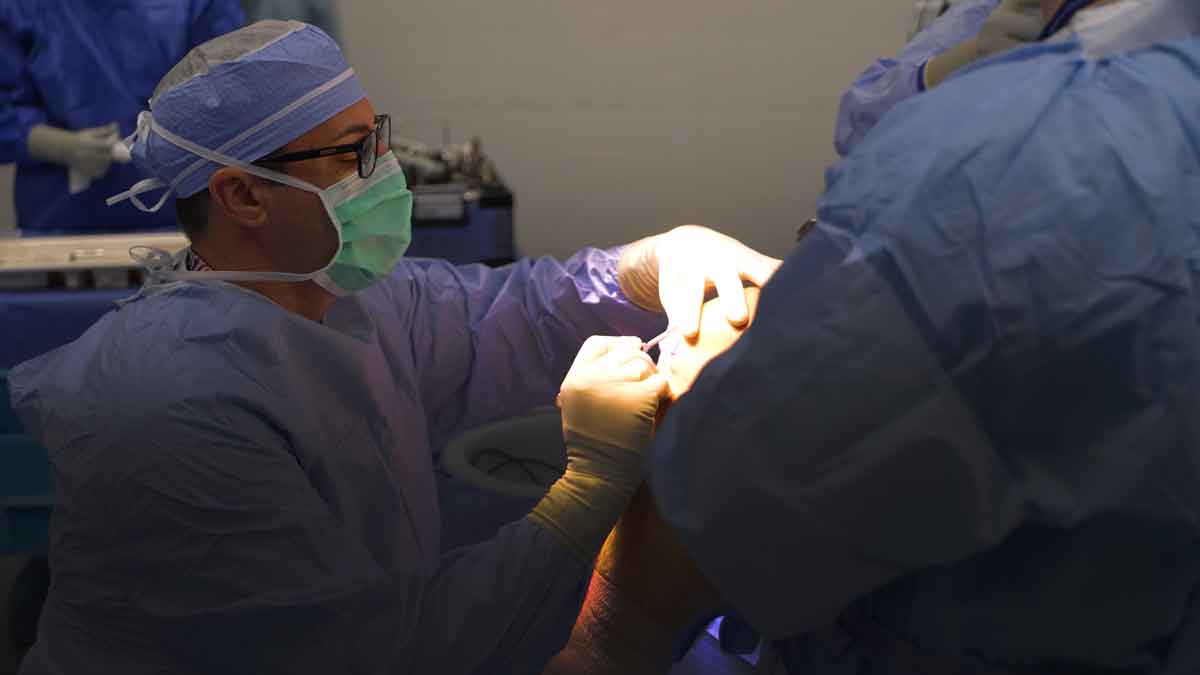
Orthopedic Program Scale & Clinical Scope (2025)
(IP = Inpatient | OP = Outpatient)
- Joint Replacement 3,608 procedures (507 IP | 3,101 OP)
- Trauma Surgery 1,292 procedures (811 IP | 481 OP)
- Spine Surgery 915 procedures (629 IP | 286 OP)
- Sports Medicine Surgery 2,678 procedures (305 IP | 2,373 OP)
Henry Ford Health also has a strategic partnership with Shirley Ryan AbilityLab, the world-renowned leader in rehabilitation medicine, which enhances orthopedic outcomes through an integrated, seamless continuum of care.