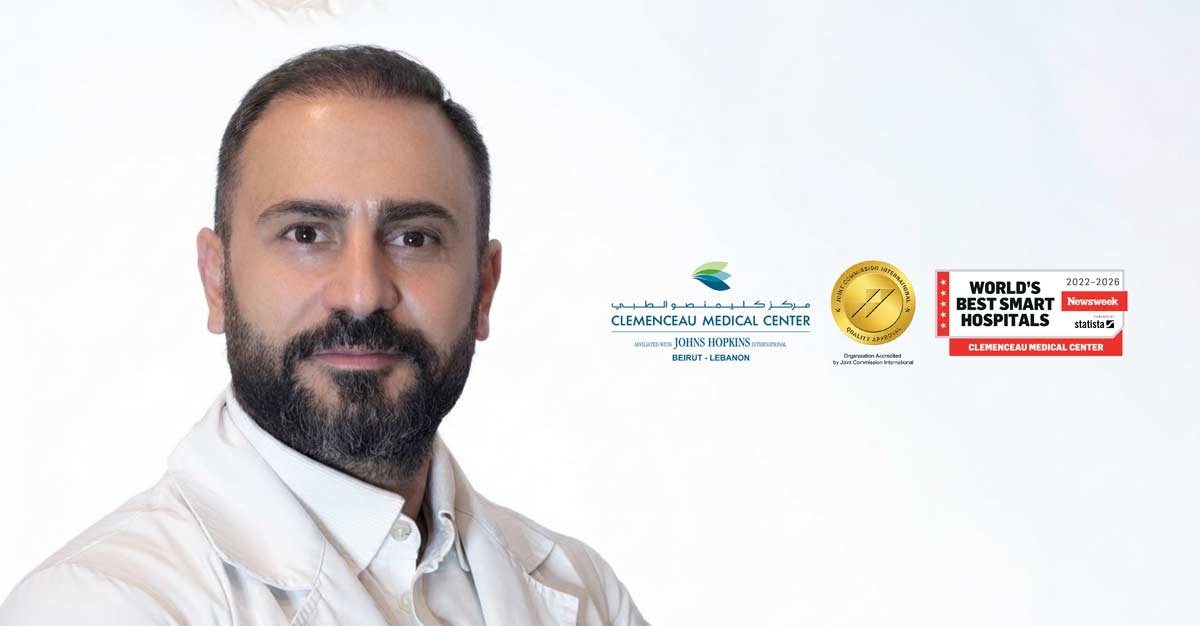
Dr. Bassem Jaber
Internal Medicine Specialist at Clemenceau Medical Center (CMC)– Beirut
Premier Executive Health Check Program
A Proactive Approach to Health: Prevention, Early Detection and Personalized Care
Healthcare is increasingly moving beyond the traditional model of treating illness after it develops. Today, greater emphasis is placed on prevention, early detection, and understanding individual health risks before they lead to more serious conditions. At Clemenceau Medical Center (CMC) – Beirut, the Premier Executive Health Check Program combines multidisciplinary expertise, advanced diagnostics, and personalized assessment to provide a comprehensive and efficient evaluation of each individual’s health.
In this interview, Dr. Bassem Jaber, Internal Medicine Specialist at CMC – Beirut, discusses how the program supports proactive health management and informed decisions for long-term well-being.
What is the Premier Executive Health Check Program at Clemenceau Medical Center – Beirut, and what is it designed to achieve?
The Premier Executive Health Check Program is a comprehensive preventive health assessment designed to identify risk factors and potential health concerns at an early stage, including those that may not yet be causing symptoms.
Rather than applying the same set of tests to everyone, the program takes a personalized approach. Each assessment is guided by the individual’s age, sex, medical and family history, lifestyle, and specific risk factors.
The aim is not to perform more tests, but to perform the right tests for the right person. This allows us to focus on investigations that provide meaningful clinical information and help individuals better understand and manage their health over the long term.
How is the program structured to provide a fast, comprehensive, and seamless patient experience?
The program has been developed around a “fast-track model”, with tests and medical consultations coordinated in advance to make the experience as efficient as possible.
A multidisciplinary approach allows different aspects of the patient’s health to be assessed within a structured pathway, reducing unnecessary delays and helping minimize the need for multiple separate visits. At the same time, considerable attention is given to the overall experience. Privacy, comfort, organization, and smooth coordination between different stages of the assessment are central to the program, with five-star service standards extending from the moment the patient arrives until the evaluation is completed.

How does CMC bring together multidisciplinary expertise and advanced diagnostics to provide a more complete picture of an individual’s health?
One of the program’s strengths is its ability to combine medical expertise from different specialties with CMC’s advanced laboratory, imaging, and diagnostic capabilities. Rather than viewing each test result separately, the findings are assessed together and interpreted in the context of the patient’s medical history and individual risk profile. This provides a much more comprehensive understanding of the person’s overall health. If a particular finding requires further attention, the patient can then be directed toward the appropriate additional investigation or specialist consultation. This integrated approach helps ensure that clinical decisions are based on the complete picture rather than on isolated results.
Who can benefit most from the program, and how is each assessment personalized?
The program is suitable for anyone seeking a thorough understanding of their health, but it is particularly valuable for executives, business professionals, and individuals whose demanding schedules can make it difficult to prioritize routine preventive care. Personalization is central to the program. The investigations are selected according to the individual’s health profile rather than through a one-size-fits-all approach. This allows us to focus on clinically relevant tests, avoid unnecessary investigations, and provide an assessment that is both efficient and directly aligned with the individual’s health needs and risk factors.
What types of tests and consultations may be included, and what health risks can the program help identify?
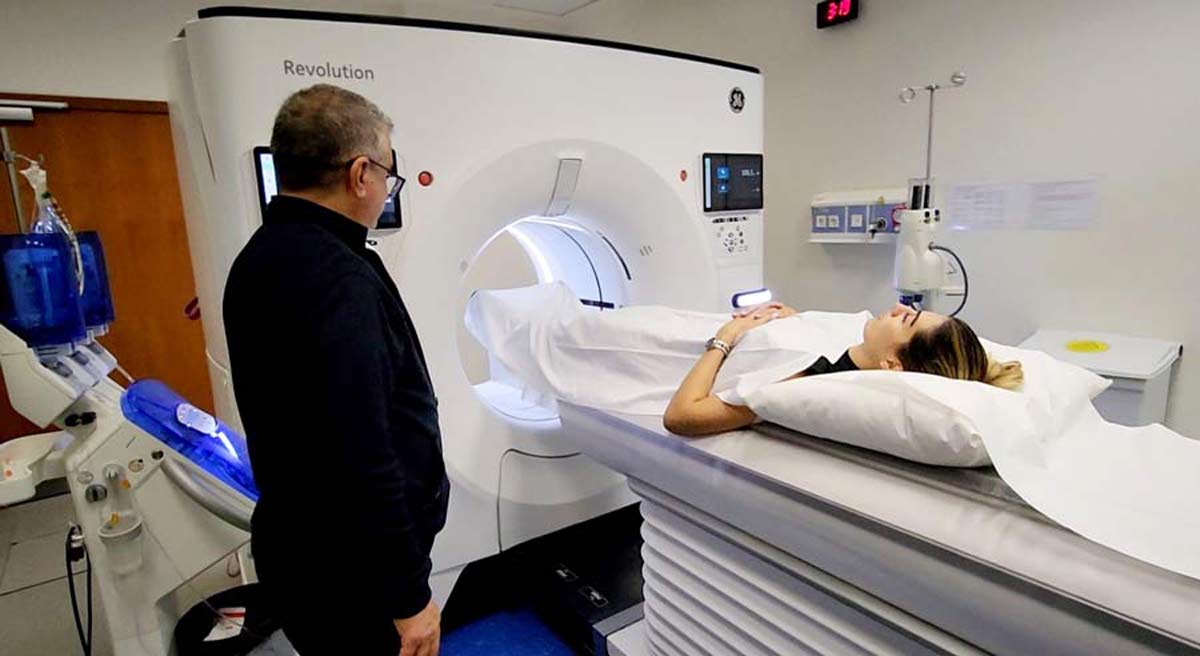
Depending on the individual’s medical profile and risk factors, the program may include comprehensive laboratory investigations, cardiovascular assessment, advanced diagnostic imaging, total-body CT scan, DEXA scanning for bone health, pulmonary function testing, colonoscopy, and other preventive examinations or specialist consultations when appropriate.
Together, these assessments can help identify cardiovascular risk factors, diabetes and metabolic abnormalities, lipid disorders, osteoporosis, impaired lung function, certain cancers, and other conditions associated with lifestyle or individual risk. Importantly, the program is not based on performing every available investigation. The emphasis is on selecting examinations that are medically appropriate and likely to provide meaningful information for that particular individual.
Why is preventive assessment important for busy professionals who feel healthy and have no symptoms?
Feeling well does not always mean that there are no underlying health risks. Conditions such as high blood pressure, abnormal cholesterol levels, diabetes, and certain other diseases can develop silently for years before noticeable symptoms appear.
For people with demanding careers, preventive health checks are also among the things most easily postponed because of limited time and competing responsibilities.
The program provides an opportunity to bring these assessments together in a coordinated setting. Instead of waiting for symptoms to prompt medical attention, individuals can gain an earlier understanding of their health risks and take appropriate action when it can make the greatest difference.
How is the program organized around the needs of patients with demanding professional schedules?
Efficiency is an important part of the program. Tests, imaging, and consultations are coordinated within a structured pathway to reduce waiting time and limit the need for repeated visits. CMC’s ability to provide a broad range of medical, laboratory, imaging, and specialist services within one center further facilitates this process. The objective is to deliver a comprehensive medical assessment while respecting the patient’s time and professional commitments.
Once the assessment is complete, how are the findings translated into a personalized prevention and follow-up plan?
Completing the investigations is only one part of the process. What matters equally is how those results are interpreted and what happens next. The medical team reviews the findings alongside the patient’s medical history, lifestyle, and individual risk factors.
At the end of the assessment, the patient receives a comprehensive report together with recommendations tailored to their specific health needs. Depending on the findings, these may include lifestyle changes, preventive measures, regular monitoring, further diagnostic testing, referral to a specialist, or treatment when necessary.
The objective is to give patients more than a report. It is to provide them with a clear and actionable health plan that can guide prevention, follow-up, and long-term health management.
How does the program support CMC’s broader commitment to preventive and proactive healthcare?
The Premier Executive Health Check Program reflects a broader shift toward healthcare that begins before disease develops. Prevention and early detection allow us to identify risks sooner, intervene when appropriate, and help individuals take a more active role in managing their health. At CMC, preventive medicine is viewed as an important component of long-term health. By combining early detection with individualized risk assessment, medical expertise, and appropriate follow-up, we can help patients make informed decisions that support their health well beyond the initial check-up. Ultimately, the program represents a model of care centered not only on treating illness, but also on preserving health, managing risk, and promoting long-term well-being.