Beyond Acute Care: Unlocking The Next Phase of Growth In Healthcare
Why Post-Acute Care Is Central to the GCC’s Healthcare Transformation
By Wael K. Abdallah, Group CEO, Cambridge Health Group

Across the Gulf, healthcare systems are expanding at unprecedented speed. New hospitals are opening, bed capacity is rising, and clinical capabilities are becoming increasingly sophisticated, with Governments and private providers alike investing heavily to deliver world-class care for a growing and ageing population.
Yet amid this rapid expansion, some questions are still being addressed too late: what happens after acute treatment ends?
After a complex surgery, who should oversee the patient’s rehabilitation, recovery, and overall management of their condition? Who can support a stroke patient in restoring mobility and independence? Who can provide care for patients with multiple chronic conditions, be it paediatric or geriatric?
The answer is post-acute care and across the region, it remains underbuilt, despite its central role in patient outcomes and long-term healthcare sustainability.
A system performance imperative
Post-acute care is increasingly recognised as a distinct and essential phase of the care pathway, bridging acute hospital treatment and a patient’s return home or transition to long-term residence. When rehabilitation is structured and clinically governed, it reduces avoidable hospital stays, improves functional outcomes and eases pressure on acute capacity.
This is not a peripheral concern. Hospital length of stay, readmissions and patient outcomes are directly shaped by the quality and availability of post-acute care. Without robust post-acute infrastructure, health systems remain constrained by bottlenecks that acute bed expansion alone cannot solve.
The economics are equally compelling. Patients occupying acute beds longer than clinically necessary represent a significant cost inefficiency. Avoidable readmissions burden both providers and payers. In contrast, effective post-acute care delivers measurable value: shorter acute stays, better functional recovery, and reduced downstream healthcare utilisation.
Continuum by design
The most effective post-acute models are not standalone services but integrated pathways connecting the hospital to the community. This means coordinated transitions from acute hospitals to inpatient rehabilitation, outpatient therapy, and home-based care, with clinical oversight maintained throughout. One model, multiple settings, seamless transition in care.
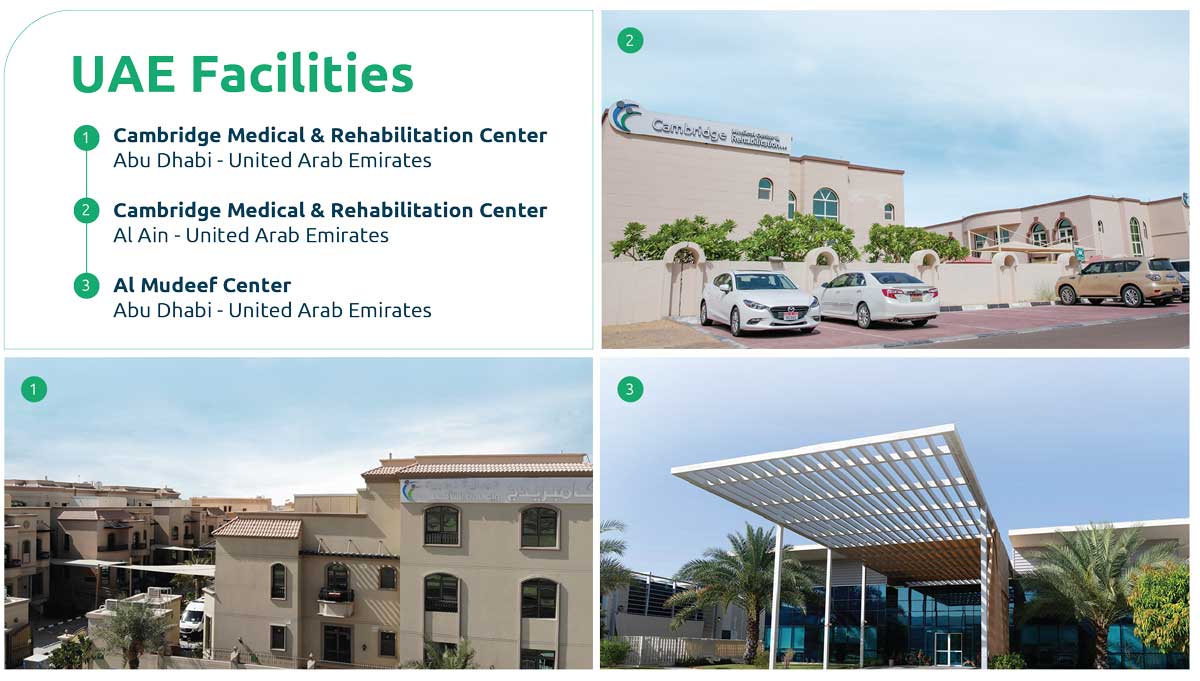
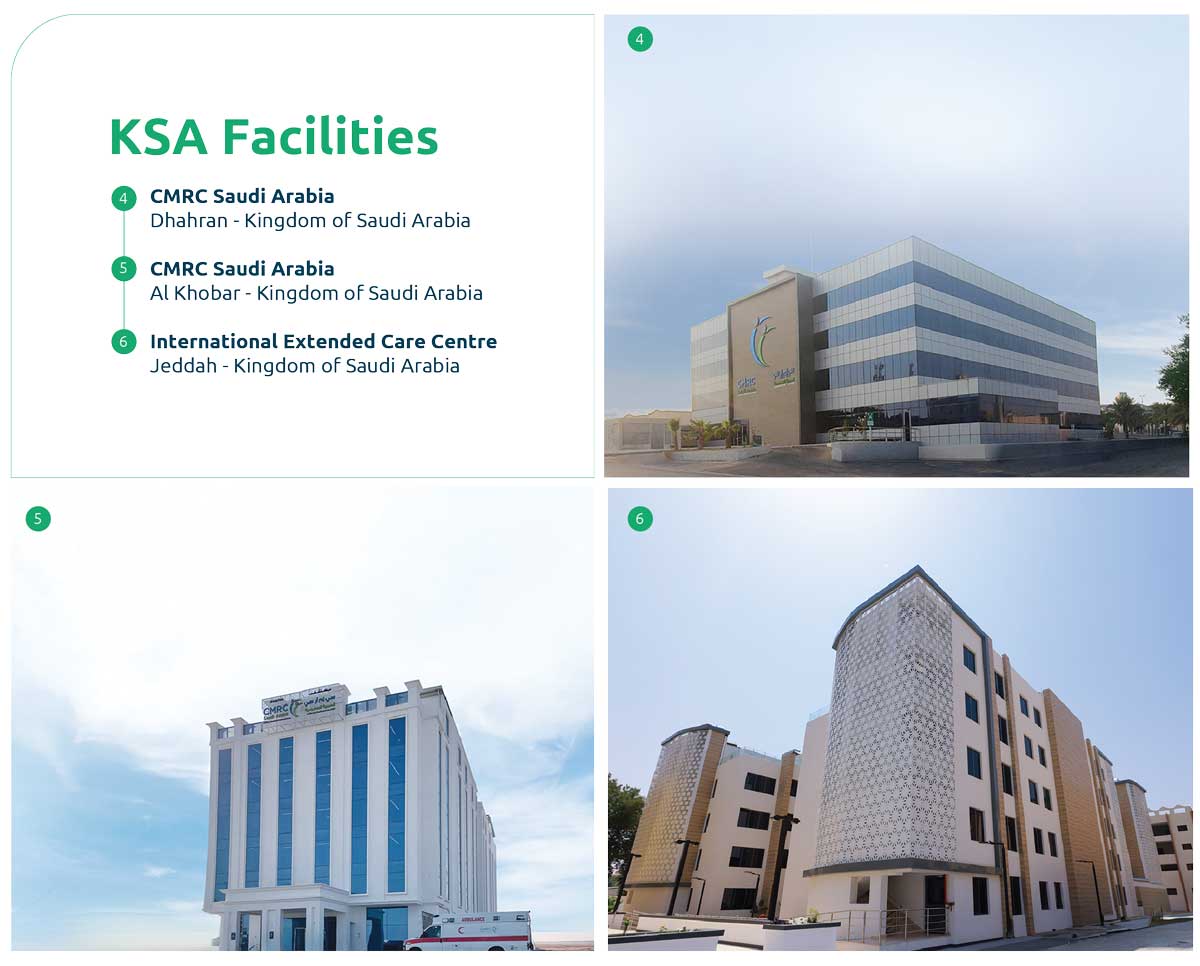
At Cambridge Health Group, this continuum is foundational to our approach. Across our facilities in the United Arab Emirates and the Kingdom of Saudi Arabia, we operate inpatient rehabilitation, long-term care, outpatient services and home healthcare as an integrated platform. Patients move through these settings according to clinical need, not administrative convenience, with multidisciplinary teams coordinating care at every stage.
This integration matters because recovery is rarely linear. A patient discharged from inpatient rehabilitation may require ongoing outpatient therapy. A home healthcare patient may need temporary readmission for intensive intervention. Systems designed around rigid silos cannot accommodate this complexity. Systems designed around the patient can.
Capability, not just capacity
As GCC healthcare systems mature, the post-acute population is becoming increasingly complex. Ventilator-dependent patients requiring weaning. Neurological cases demanding specialist rehabilitation. Patients with multiple comorbidities need coordinated chronic disease management. This is not care that can be delivered in any setting by any provider.
The distinction between capacity and capability is critical. Building beds is necessary but insufficient. What matters is whether those beds are supported by the clinical expertise, equipment and protocols required for high-acuity, high-need patients. Accreditation standards such as CARF provide external validation of this capability, and Cambridge Health Group holds the highest number of CARF accreditations in both the UAE and KSA.
Globally, the limiting factor in post-acute expansion is no longer infrastructure, but the availability of skilled nurses and therapists, a challenge the Gulf shares with many advanced health systems. Even so, when outcomes, safety standards and cost efficiency are considered together, the region is increasingly competitive internationally, particularly when benchmarked against value-based care models.
Measuring what matters
Post-acute care demands rigorous outcome measurement. Functional improvement, successful discharge to home, controlled acute outs, etc: these metrics define quality and must be tracked systematically. Transparency in reporting builds trust with referrers, payers and patients alike.
This commitment to measurement is not merely administrative. It drives clinical improvement. When teams can see their outcomes relative to benchmarks, when variation is identified and addressed, when success is defined by patient function, care quality rises.
A regional opportunity
People travel for specialised care, and historically, that has meant seeking treatment in markets with more established post-acute and rehabilitation ecosystems. The GCC’s post-acute ecosystem is developing rapidly, and targeted investment, together with increasing regulatory clarity, is enabling the region to retain patients domestically who would previously have sought treatment overseas.
This represents both a healthcare achievement and an economic opportunity. In effect, medical tourism in reverse: care delivered locally, at lower cost, with outcomes that match or exceed international alternatives. For patients, this means recovery closer to family and community. For health systems, it means retaining value within the regional economy.
Building what comes next
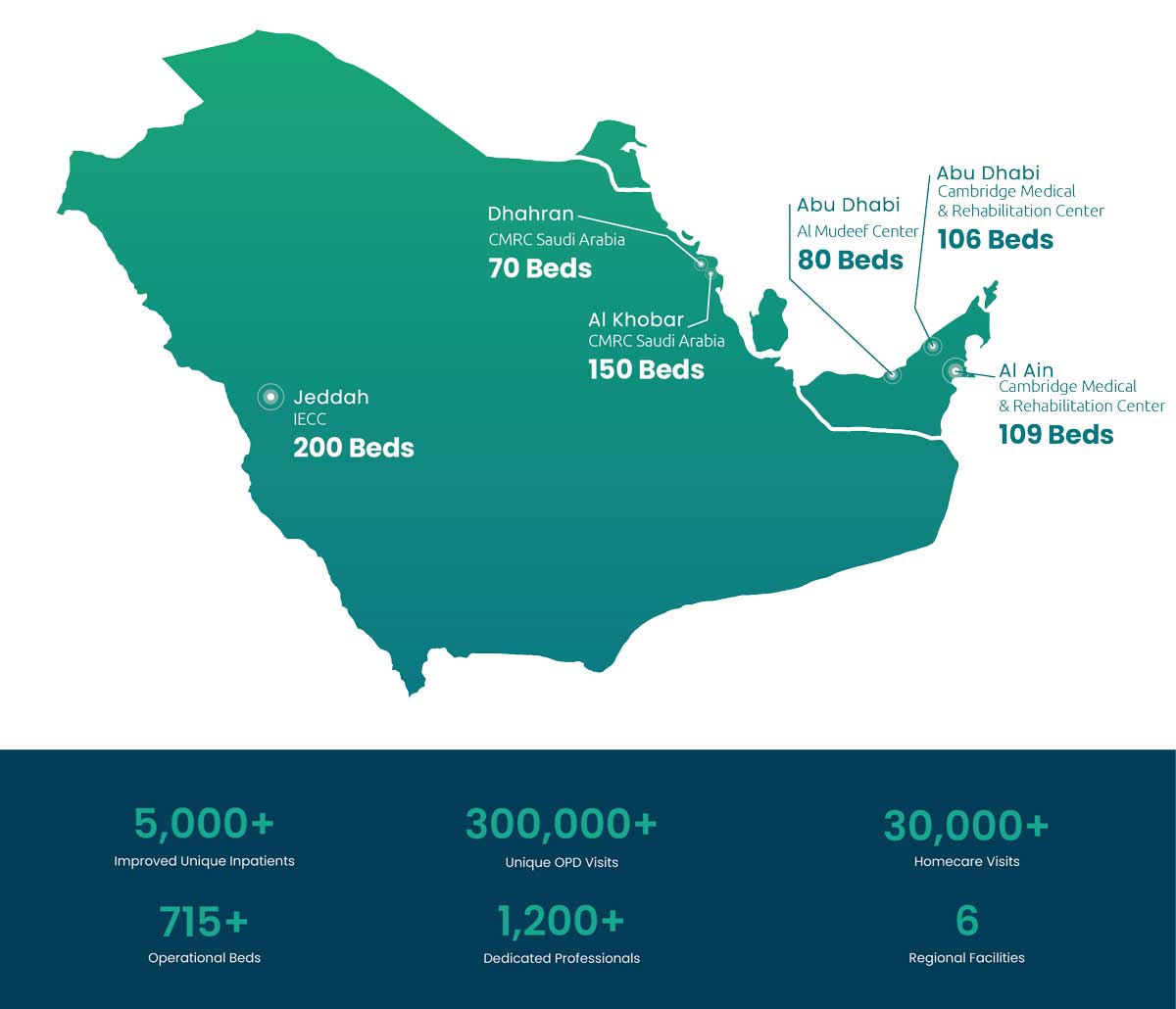
Since 2012, Cambridge Health Group has grown from a single rehabilitation facility in Abu Dhabi to become the GCC’s largest post-acute care provider, with more than 700 beds across six facilities in the UAE and Saudi Arabia. We have built the infrastructure, clinical capability, and integrated care pathways required to deliver post-acute care at scale.
However, infrastructure alone is not enough. What matters is whether that infrastructure translates into better outcomes for patients: functional recovery, a successful return to home, and a restored quality of life. That is the measure by which we hold ourselves accountable, and it is the standard the region’s healthcare systems increasingly demand.
The GCC has built a remarkable acute healthcare infrastructure. The next phase of health system maturity requires equivalent attention to what comes after. At Cambridge Health Group, we are committed to ensuring that post-acute care takes its rightful place at the centre of that transformation.