Gastrointestinal Infections
Seasonal Challenges, Diagnostic Breakthroughs, and Advances in Treatment
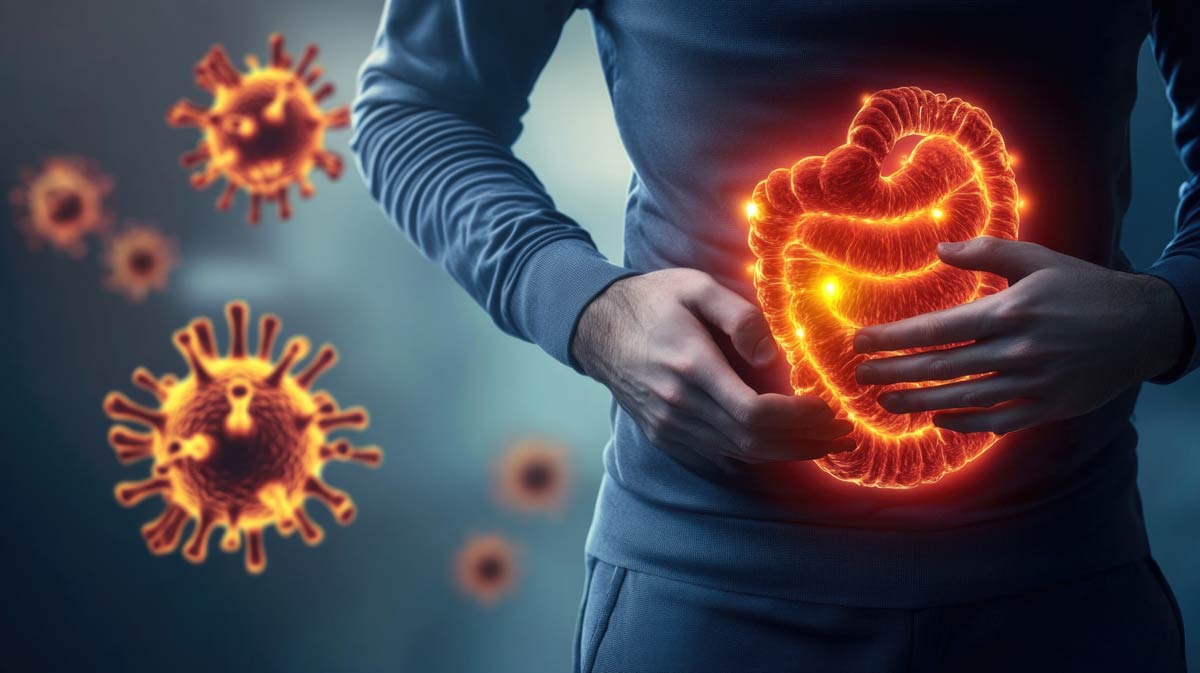
Gastrointestinal infections are no longer viewed as routine infectious diseases diagnosed and managed solely through conventional approaches. Advances in molecular diagnostics and infectious disease medicine have transformed the field, enabling clinicians to identify causative pathogens with unprecedented speed and accuracy.
Innovations such as advanced molecular diagnostic testing and multiplex stool panels have revolutionized the detection of gastrointestinal pathogens, facilitating more targeted therapeutic decisions, reducing unnecessary antibiotic use, and ultimately improving patient outcomes.
At the same time, vaccines and targeted infection prevention strategies have strengthened public health efforts, contributing to a significant reduction in the transmission of several enteric pathogens.
It is also important to note that gastrointestinal infections become considerably more common during the summer months. Higher temperatures accelerate bacterial growth in food and water, particularly when food is improperly stored or the cold chain is interrupted. Hot weather also increases the consumption of ready-to-eat meals and beverages purchased outside the home, raising the likelihood of exposure to contaminated food sources. In addition, dehydration associated with high temperatures may increase susceptibility to infection and exacerbate disease severity, making food safety and proper hygiene practices especially important during this season.
Despite these advances, gastrointestinal infections remain among the most common infectious diseases worldwide and continue to represent a major public health burden, particularly among young children, older adults, and individuals with compromised immune systems. Modern clinical practice therefore requires a comprehensive understanding of the causes, clinical manifestations, diagnostic approaches, and treatment options for these infections, while keeping pace with the latest developments that continue to reshape their management.

Understanding Gastrointestinal Infections
Gastrointestinal infections encompass a broad range of diseases affecting the stomach, small intestine, or colon as a result of infection with various pathogens, including viruses, bacteria, and parasites. Transmission commonly occurs through contaminated food or water, direct contact with infected individuals, or inadequate hygiene and food safety practices. Certain populations are particularly vulnerable to complications because of impaired immunity or a reduced ability to compensate for fluid and electrolyte losses. These include: Children under five years of age.
- Older adults.
- Pregnant women.
- Individuals with immunodeficiency disorders.
- Patients undergoing cancer treatment.
- Organ transplant recipients.
- People living with chronic diseases.
The Most Common Gastrointestinal Infections
- Acute gastroenteritis: A common infection characterized by diarrhea and vomiting, most often caused by viruses and typically resolving within a few days.
- Foodborne illness (food poisoning): Results from consuming food contaminated with bacteria or bacterial toxins, leading to the rapid onset of vomiting and diarrhea.
- Cholera: An acute bacterial infection that causes severe watery diarrhea and can rapidly lead to life-threatening dehydration if left untreated.
- Dysentery: Characterized by bloody, mucus-containing diarrhea, most commonly caused by Shigella bacteria or Entamoeba histolytica.
- Clostridioides difficile colitis: Often develops following antibiotic use and may cause severe, potentially life-threatening diarrhea.
- Giardiasis: A parasitic infection that commonly causes chronic diarrhea and abdominal bloating, particularly in areas with unsafe drinking water.
- Intestinal amoebiasis: A parasitic infection that may lead to intestinal ulceration and bloody diarrhea in advanced cases.
Disease severity ranges from mild, self-limiting illness to severe conditions that may result in profound dehydration, electrolyte imbalance, or sepsis, particularly among high-risk individuals.
The Pathogens Behind Gastrointestinal
- Infections: The pathogens responsible for gastrointestinal infections vary according to age, geographic location, and immune status, but they generally fall into three major categories.
- Viruses: Viruses are the most common cause of gastrointestinal infections, particularly norovirus and rotavirus, both of which spread rapidly in crowded settings.
- Bacteria: Common bacterial pathogens include Salmonella, Shigella, Escherichia coli, and Campylobacter, which are typically transmitted through contaminated food or water.
- Parasites: Parasitic infections, including Giardia and Entamoeba, are more likely to cause prolonged symptoms, especially in immunocompromised individuals.
Routes of Transmission: How Gastrointestinal Infections Spread
The route of transmission depends on the causative organism, but pathogens typically enter the gastrointestinal tract through contaminated food, water, hands, or surfaces.The most common routes of transmission include:
- Consuming food or water contaminated with bacteria, viruses, or parasites.
- Person-to-person transmission, particularly in schools, daycare centers, hospitals, and other crowded environments.
- Contact with contaminated surfaces or objects followed by touching the mouth or eating without proper hand hygiene.
- Poor hand hygiene, especially after using the restroom or before preparing or eating food.
- Consuming undercooked foods or foods stored at inappropriate temperatures, which promote microbial growth.
- Traveling to regions with high infection rates or inadequate sanitation and unsafe water supplies.
Simple preventive measures, including regular handwashing, safe food handling practices, and access to clean drinking water, remain among the most effective strategies for preventing infection and reducing complications.
Recognizing the Signs and Symptoms
Clinical manifestations vary according to the causative organism and the severity of infection. The most common symptoms include:
- Acute or persistent diarrhea.
- Nausea, vomiting and Fever.
- Abdominal pain and cramping.
- Loss of appetite, often accompanied by generalized fatigue.
- Dehydration of varying severity.
In some patients, bloody stools, hypotension, or impaired kidney function resulting from severe dehydration may occur, requiring urgent medical attention.
A New Era in Diagnosis: From Traditional Testing to Molecular Precision
The diagnosis of gastrointestinal infections has undergone a remarkable transformation in recent years. While stool culture and microscopic examination once formed the cornerstone of diagnosis, molecular diagnostic techniques now enable identification of most pathogens within just a few hours.
Polymerase chain reaction (PCR)-based assays detect the genetic material of infectious organisms, offering significantly greater sensitivity and accuracy than conventional methods, particularly when pathogens are difficult to isolate through culture. In addition, multiplex stool panels can simultaneously detect dozens of viral, bacterial, and parasitic pathogens from a single specimen.
This substantially shortens diagnostic turnaround time, facilitates earlier initiation of appropriate therapy, and supports timely implementation of infection prevention and control measures.