The future of healthcare is no longer defined solely by medical excellence—it is increasingly shaped by the quality of the patient experience. Around the world, a new generation of healthcare facilities is redefining hospitalization through the Hospotel concept, seamlessly integrating clinical excellence with the standards of luxury hospitality.
This transformation represents far more than an architectural or operational trend. It is a fundamental shift in the philosophy of healthcare delivery, recognizing that healing is influenced not only by medical treatment but also by comfort, environment, service quality, emotional well-being, and human interaction.
Today’s patients expect to be treated not simply as patients, but as valued guests. Hospitals that have embraced this philosophy have consistently reported higher patient satisfaction, stronger clinical engagement, improved operational performance, and enhanced institutional reputation. From personalized dining experiences and digital concierge services to seamless communication before, during, and after hospitalization, every detail contributes to a more positive healthcare journey.
Healthcare leaders with decades of experience increasingly recognize that hospitals must offer far more than excellent medical care. Clinical outcomes remain essential, but they are no longer the only measure of excellence. Modern healthcare demands an environment that supports physical recovery, emotional well-being, and peace of mind.
This is precisely where the Hospotel model is transforming healthcare.
Integrating Healthcare and Hospitality
At the heart of the Hospotel philosophy lies the seamless integration of medicine and hospitality.
Rather than viewing hospitality as an additional service, Hospotels make it an integral component of patient care. The result is a healthcare environment where every interaction, every service, and every space is intentionally designed to enhance healing.
The traditional image of intimidating hospital corridors, stressful waiting rooms, and impersonal clinical environments is gradually giving way to welcoming spaces that reduce anxiety and inspire confidence. From reception staff and nurses to physicians and support teams, communication, empathy, body language, and attentiveness become essential elements of the healing process.
Even before admission, patients often experience uncertainty and emotional stress. Modern Hospotels address this through personalized digital communication, pre-admission guidance, clear treatment information, and dedicated patient coordinators who ensure that individuals understand every step of their healthcare journey. Transparency and preparation significantly reduce anxiety while creating realistic expectations.
Designing Spaces That Heal
Evidence increasingly demonstrates that healthcare environments directly influence patient recovery, emotional well-being, and overall satisfaction.
Hospotel design therefore extends far beyond aesthetics. It embraces the principles of healing architecture and evidence-based design to create environments that promote relaxation and recovery.
Natural daylight, greenery, therapeutic gardens, walking paths, wellness spaces, meditation and prayer rooms, fitness facilities, spa-inspired amenities, and carefully designed public areas all contribute to reducing stress and improving the patient experience.
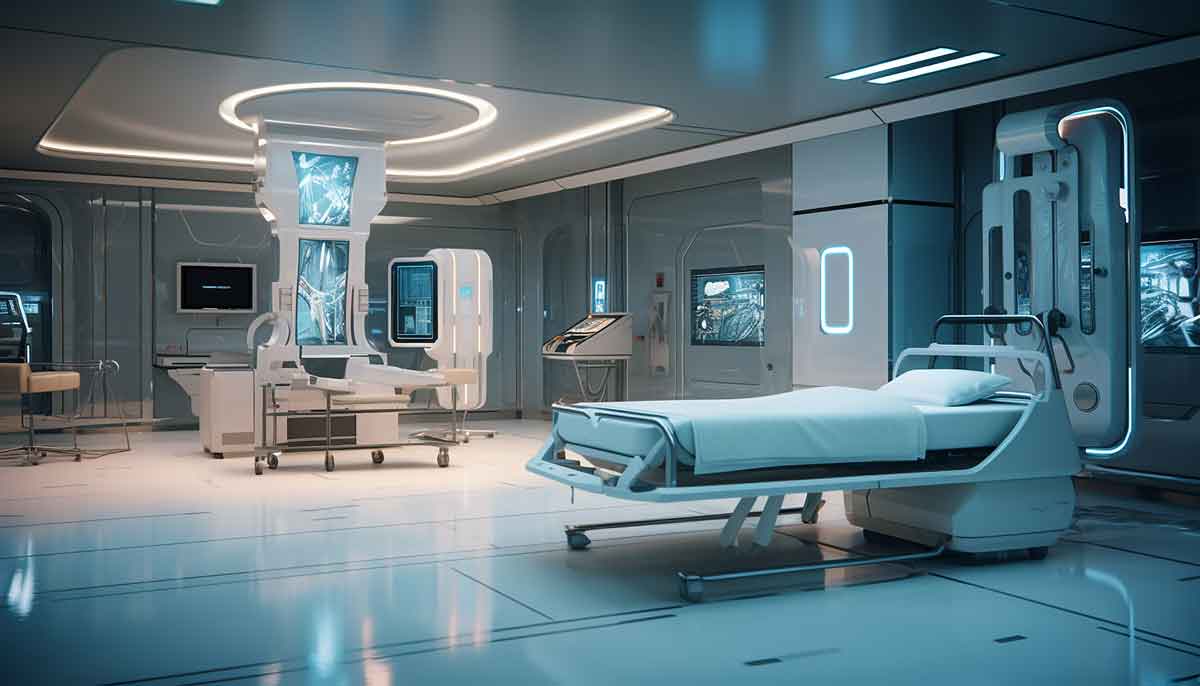
Patient rooms are no longer viewed simply as treatment spaces. They become restorative environments equipped with intuitive technology, high-speed connectivity, entertainment systems, personalized controls, and thoughtfully designed interiors that offer comfort comparable to premium hotels while maintaining the highest standards of medical safety.
Waiting areas, restaurants, lounges, and public spaces are equally transformed into elegant, welcoming environments that replace the traditional institutional atmosphere with warmth, privacy, and tranquility.
Caring for Families, Not Just Patients
Patient-centered care extends beyond the individual receiving treatment.
Families often play a critical role in healthcare decisions and recovery, making their experience equally important. Hospotels recognize this by creating environments where accompanying relatives feel comfortable, informed, and supported.
Family lounges, children’s areas, business centers, libraries, guest accommodations, additional sleeping arrangements, digital information systems, and hospitality services ensure that loved ones remain close without compromising their own comfort and well-being.
By caring for families, hospitals strengthen trust while creating a more supportive healing environment for patients.
The Human Side of Healing
One of the defining characteristics of the Hospotel model is its emphasis on holistic care.
Emotional well-being has become an essential component of successful treatment. Many leading hospitals now integrate psychological support, wellness programs, mindfulness activities, rehabilitation services, and complementary therapies alongside conventional medicine to promote faster recovery and better patient outcomes.
Nutrition has also become a strategic component of healthcare.
Rather than offering institutional meals, Hospotels provide chef-designed, dietitian-approved menus tailored to each patient’s medical condition and personal preferences. Dining spaces resemble hotel restaurants rather than traditional hospital cafeterias, reinforcing dignity, comfort, and a sense of normalcy during recovery.
Equally important is compassionate communication.
Every interaction, from the first greeting at reception to conversations with physicians and nurses—has the power to reduce anxiety and build trust. Warmth, empathy, attentiveness, and genuine human connection have become measurable contributors to patient satisfaction and overall healthcare quality.
The Future of Healthcare
The Hospotel concept continues to expand across the Gulf region, Europe, and other parts of the world, where healthcare providers are increasingly investing in hospitality-inspired models of care.
Beyond enhancing patient experience, Hospotels also improve operational efficiency by providing appropriate accommodation for early admissions, patients awaiting discharge, international medical travelers, and accompanying family members. These facilities help optimize hospital capacity while supporting the continued growth of outpatient and same-day surgical services.
While technologies, facilities, and services will continue to evolve, one principle remains unchanged: patient safety and clinical excellence.
The Hospotel model simply expands this vision by recognizing that exceptional healthcare is measured not only by successful treatments but also by the quality of every moment experienced throughout the patient’s journey.
Ultimately, the modern Hospotel is redefining what it means to heal, combining advanced medicine with outstanding hospitality to create healthcare environments where patients recover with greater comfort, confidence, dignity, and hope.