WHY TÜRKIYE? The Rise of a Global Healthcare Destination

Where Medical Excellence, Innovation, and Patient-Centered Care Meet
Healthcare has become increasingly global, and patients today are looking beyond their national borders for access to medical expertise, advanced treatments, and quality care. At the crossroads of Europe, Asia, and the Middle East, Türkiye has established itself as a compelling destination for international patients, combining modern healthcare infrastructure, specialized medical expertise, technological innovation, and a comprehensive approach to the patient experience.

When Healthcare Crosses Borders
Choosing where to receive medical treatment is rarely a simple decision. Whether seeking a complex surgical procedure, a second medical opinion, or specialized care unavailable closer to home, patients look for much more than a hospital. They seek confidence in their physicians, trust in the healthcare institution, access to appropriate technologies, and reassurance that their needs will be understood throughout the treatment journey. Increasingly, that search is taking patients beyond their home countries. Medical travel is no longer defined solely by affordability or the availability of elective procedures. It has evolved into a broader international healthcare landscape in which medical expertise, quality, accessibility, and the overall patient experience influence decisions. Türkiye has become an important participant in this transformation.
Over the past two decades, the country has undergone a significant modernization of its healthcare sector, supported by investments in hospital infrastructure, medical education, specialized services, and advanced technologies. Today, its healthcare landscape encompasses university hospitals, specialized medical centers, major private hospital groups, and integrated healthcare campuses offering a wide range of diagnostic and therapeutic services.

Yet Türkiye’s growing international appeal is not simply the result of building modern hospitals. It reflects the development of a healthcare ecosystem that brings together clinical capabilities, international connectivity, and services designed around the needs of patients traveling from abroad. For international patients, this combination can make Türkiye an attractive option when considering where to receive medical care.

Beyond the Familiar Image of Medical Tourism
For years, Türkiye’s international healthcare reputation was closely associated with cosmetic surgery, dental treatments, and hair transplantation. These specialties helped introduce the country to patients seeking treatment abroad and contributed to the development of its medical tourism industry.
But the story of Turkish healthcare extends far beyond these familiar fields.
Today, hospitals across the country provide advanced services in cardiovascular medicine, oncology, organ transplantation, neurosurgery, orthopedics, reproductive medicine, and numerous other specialties. This broader range of services is reshaping the country’s position within international healthcare.
Patients considering Türkiye are not necessarily traveling for elective procedures. Some are seeking highly specialized surgical expertise. Others require complex diagnostic evaluations, multidisciplinary treatment plans, or access to particular medical technologies.
For these patients, the decision is driven by the same priorities that guide healthcare choices anywhere in the world: medical expertise, institutional capabilities, safety, and the likelihood of achieving an appropriate clinical outcome. This evolution represents an important shift in how Türkiye can be perceived internationally, not simply as a destination for medical tourism, but as a country offering a diverse range of specialized healthcare services.

Modern Hospitals Designed for Modern Medicine
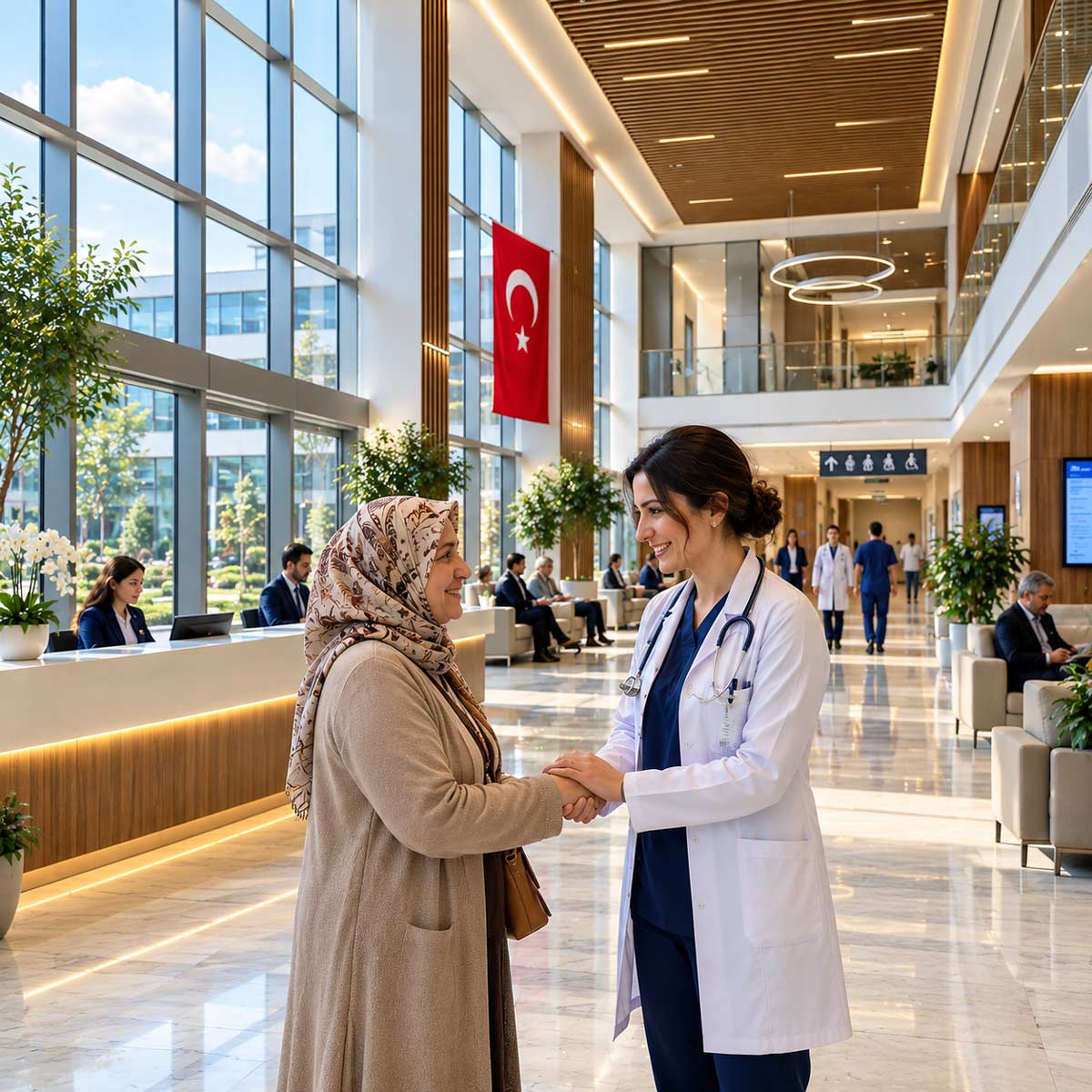
One of the most visible aspects of Türkiye’s healthcare transformation is the development of modern medical facilities.
Across Istanbul, Ankara, Izmir, Antalya, and other cities, hospitals have invested in infrastructure designed to support increasingly sophisticated diagnostic and therapeutic procedures. Advanced operating theaters, hybrid surgical suites, intensive care units, modern imaging departments, and specialized treatment centers are among the facilities available at leading institutions.
Many hospitals have also adopted multidisciplinary models of care, bringing together different specialties to support the management of complex medical conditions.
For example, cancer treatment frequently requires close coordination among medical oncologists, surgeons, radiation oncologists, radiologists, pathologists, and other healthcare professionals. Similarly, patients with complex cardiovascular conditions may benefit from collaboration among cardiologists, cardiac surgeons, imaging specialists, and intensive care teams. The ability to coordinate these services within an integrated healthcare environment can contribute to more efficient clinical decision-making and a better-organized treatment experience. Türkiye’s development of large-scale healthcare campuses has further expanded the infrastructure available for specialized medical care.
Alongside these major institutions, established private hospital groups and university medical centers continue to play important roles in delivering advanced healthcare services and developing clinical expertise. For international patients, the availability of different types of healthcare institutions provides opportunities to select a hospital according to the nature and complexity of their medical needs.
The Expertise Behind the Technology
A modern hospital may impress with its architecture and equipment, but the true foundation of medical excellence remains the people delivering care.
Behind every advanced procedure is a team of physicians, nurses, technicians, and other healthcare professionals whose knowledge and experience determine how medical technology is used. Türkiye’s medical sector benefits from an established network of medical schools, university hospitals, specialist training institutions, and research centers.
Many Turkish physicians have also developed professional connections with international medical institutions through fellowships, training programs, academic partnerships, and scientific collaborations.
This exchange of knowledge contributes to the development of specialized expertise and the adoption of evolving medical practices.
In cardiovascular medicine, selected Turkish centers provide complex cardiac surgery, interventional cardiology, electrophysiology, and advanced imaging. In oncology, multidisciplinary approaches bring together surgery, systemic therapies, radiation treatment, and increasingly personalized diagnostic and therapeutic strategies.
Other institutions have developed specialized programs in transplantation, orthopedic surgery, neurosciences, fertility medicine, and minimally invasive procedures.
Such capabilities are particularly relevant for patients seeking highly specialized care.
Nevertheless, expertise should always be evaluated at the level of the treating physician and institution. The experience of a particular medical team, its clinical outcomes, and its ability to manage complications remain essential considerations. For patients traveling abroad, confidence in these capabilities is often far more important than the geographical location of the hospital itself.
Medical Innovation: From Advanced Surgery to Digital Healthcare
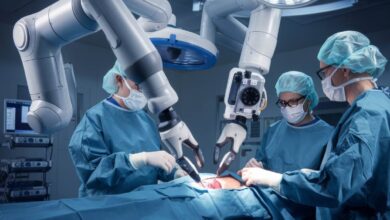
Innovation has become one of the defining features of contemporary healthcare, transforming how diseases are diagnosed, treatments are delivered, and patients are monitored. Türkiye’s leading healthcare institutions have participated in this transformation through investments in medical technologies and digital systems. Robotic-assisted surgery is one example.
In selected hospitals, robotic platforms support minimally invasive procedures across specialties such as urology, gynecology, and general surgery. These technologies can offer enhanced visualization and surgical precision, although their benefits depend on the procedure, patient selection, and expertise of the surgical team.
Other developments include advanced diagnostic imaging, interventional radiology, modern radiation oncology systems, and sophisticated laboratory technologies.
In parallel, digital healthcare is becoming increasingly important.
Electronic medical records, integrated hospital information systems, telemedicine, and digital imaging platforms can facilitate communication among healthcare professionals and improve the coordination of care.
For international patients, these capabilities may offer additional advantages. Medical records can be reviewed before travel, preliminary consultations may be conducted remotely, and follow-up appointments can sometimes take place after patients return to their home countries.
The growing integration of technology into healthcare therefore extends beyond the operating room. It can influence the entire patient journey, from the first medical inquiry to treatment planning and post-discharge monitoring. Ultimately, however, the value of innovation lies not in the sophistication of the equipment itself, but in its appropriate use to improve patient care.
Why Türkiye Appeals to Patients from the Middle East
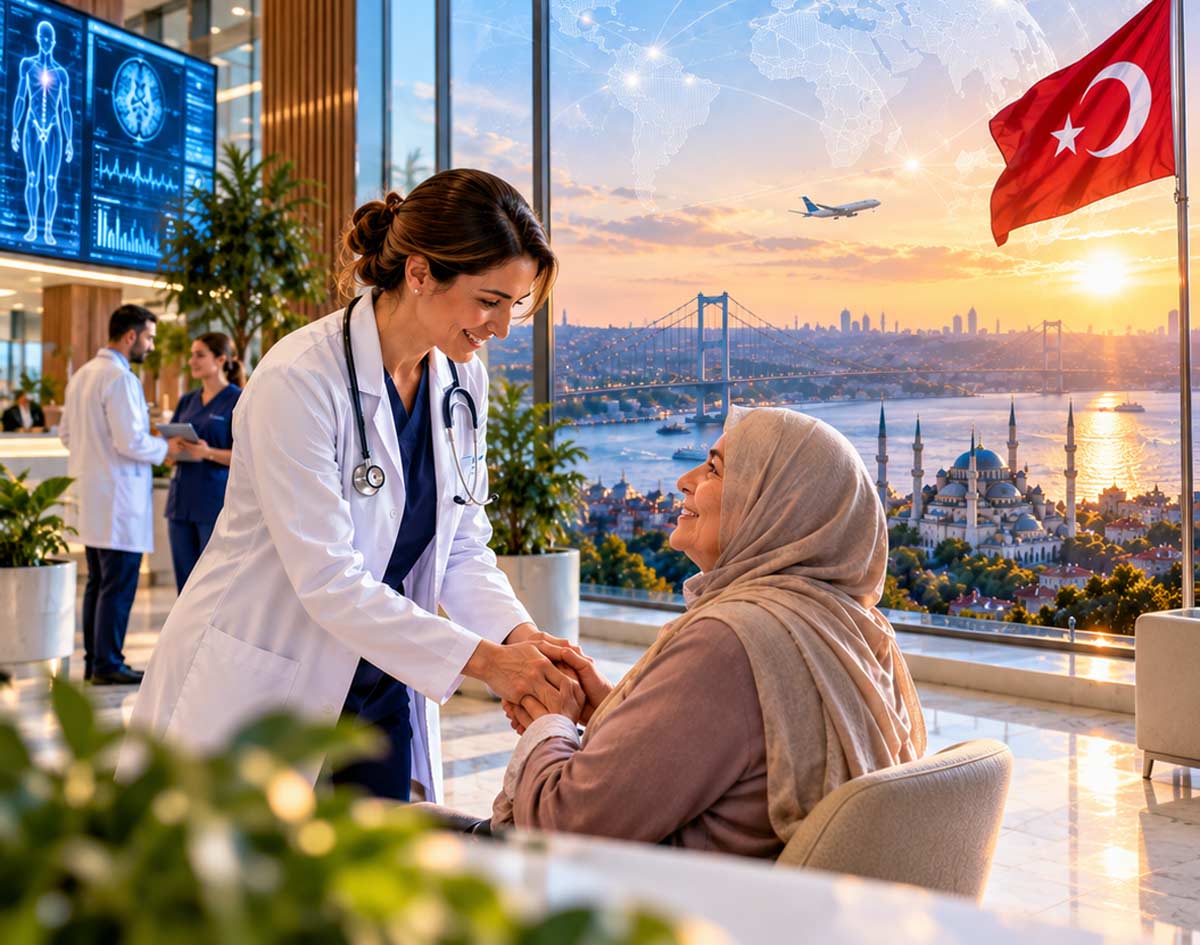
For patients across the Middle East and Gulf Cooperation Council countries, choosing healthcare abroad often involves a combination of medical, geographical, cultural, and practical considerations. Türkiye offers several advantages that may make the country particularly appealing to patients from this region. Its geographical proximity to the Middle East, combined with extensive international air connections, can make travel more convenient for patients and accompanying family members.
Istanbul, in particular, serves as a major international aviation hub connecting Türkiye with Saudi Arabia, the United Arab Emirates, Qatar, Kuwait, Bahrain, Oman, Iraq, Lebanon, and other countries across the region. Beyond accessibility, familiarity with the needs of Arab patients has become an important aspect of international patient services. Many hospitals catering to international patients have established multilingual departments, including Arabic-speaking coordinators and interpreters.
For patients facing a serious diagnosis or undergoing complex treatment, communicating comfortably with medical teams can make a meaningful difference. Clear explanations of medical conditions, treatment options, expected recovery, and follow-up requirements are essential to informed decision-making.
Cultural considerations can also influence the healthcare experience. Accommodation for accompanying family members, dietary preferences, privacy, and the availability of personalized assistance may be particularly relevant for patients traveling from the GCC and wider Arab region. For many families, receiving treatment abroad is a shared experience rather than an individual journey. Hospitals that understand this dynamic can help create a more supportive environment during what may already be a challenging period. At the same time, Türkiye’s appeal to Middle Eastern patients should not be viewed as a single, uniform market. Patients from different countries have varying healthcare needs, expectations, insurance arrangements, and reasons for seeking treatment abroad. Understanding these differences is increasingly important for hospitals seeking to develop meaningful relationships with patients throughout the region.

A Healthcare Destination with International Reach
While the Middle East represents an important regional audience, Türkiye’s international healthcare appeal extends considerably further. Its geographical position provides access to patients from Europe, Central Asia, the Balkans, North Africa, and other international markets. For some patients, Türkiye may offer access to specialized medical services that are difficult to obtain locally. For others, the attraction may be the availability of particular physicians, treatment approaches, or hospital facilities. Patients from countries with long waiting periods for selected procedures may also consider treatment abroad, provided that the necessary medical and logistical arrangements can be made safely. This diversity of patient needs reflects the changing nature of international healthcare. Medical travel is no longer exclusively associated with individuals seeking lower-cost treatment. It increasingly involves patients making informed comparisons among institutions, medical teams, technologies, and treatment pathways across different countries.Türkiye’s broad healthcare offering allows it to participate in this international landscape across multiple medical specialties. Its future competitiveness will depend on how effectively institutions communicate their capabilities, demonstrate quality, and establish confidence among patients and international healthcare partners.
Beyond the Hospital Walls: A Complete Patient Journey
For someone receiving treatment in their home country, arranging a medical appointment may be relatively straightforward. For an international patient, the process can be considerably more complicated. Before traveling, patients may need to submit medical records, obtain a specialist opinion, understand the proposed treatment plan, estimate expenses, arrange accommodation, and coordinate travel. Once they arrive, language differences, unfamiliar surroundings, and concerns about treatment can add to the emotional burden. Recognizing these challenges, many Turkish hospitals have developed dedicated international patient departments. These teams may coordinate medical appointments, assist with documentation, provide interpretation services, organize transfers, and support patients and their families throughout their stay.
The objective is to make the healthcare journey more organized and easier to navigate.
For patients undergoing major surgery or complex treatment, this coordination can be particularly important. A well-structured international patient program should begin before arrival and continue after discharge. Pre-treatment communication allows medical teams to review available information and determine whether an in-person evaluation is necessary. During hospitalization, coordinated services can help patients understand their treatment plans and communicate with healthcare professionals. After discharge, clear instructions, medical reports, and appropriate follow-up arrangements support continuity of care. This last stage is especially important. A patient’s healthcare journey does not end when they leave the hospital or board a flight home. Long-term outcomes may depend on rehabilitation, medication management, monitoring, and communication with healthcare providers in the patient’s home country. The ability to support this continuity is becoming an increasingly important measure of international patient care.
Quality and Patient Safety: The Foundations of Trust
As international healthcare travel expands, patients are becoming more attentive to quality standards, accreditation, and institutional accountability. Türkiye has continued to develop its regulatory framework for international health tourism, including requirements governing healthcare facilities and organizations providing related services. Regulations introduced in 2025 strengthened the framework for authorization, service standards, and oversight of international health tourism activities. They also established accreditation requirements for relevant healthcare institutions, with implementation deadlines depending on the type of facility. These developments reflect the growing importance of formal quality assurance within the sector. For patients, accreditation and regulatory authorization can provide useful information when evaluating healthcare providers. However, they should form only part of a broader assessment.
Patients should also consider the qualifications of the treating physician, the experience of the medical team, available clinical outcomes, infection prevention measures, and the hospital’s capacity to manage complications. Transparency is equally important. Before traveling, patients should receive clear information about the proposed procedure, potential risks, expected recovery, financial arrangements, and follow-up requirements. As international healthcare becomes more competitive, hospitals that prioritize transparency, accountability, and patient safety will be better positioned to build lasting confidence.
Value Is About More Than Price
Affordability has traditionally been one of the main themes associated with medical tourism.
Türkiye can offer competitive pricing for certain medical procedures compared with some higher-cost healthcare markets. However, the country’s healthcare proposition is more complex than a simple price comparison.
For patients considering treatment abroad, value may include access to specialized physicians, modern hospital facilities, advanced diagnostic services, coordinated appointments, and a well-organized treatment experience.
In some circumstances, shorter waiting periods for selected procedures may also influence decisions. Nevertheless, cost should never outweigh medical considerations.
The least expensive treatment is not necessarily the most appropriate, and patients should carefully evaluate the quality and suitability of the proposed care. Transparent financial information is essential, particularly when treatment involves surgery, hospitalization, rehabilitation, or the possibility of additional medical expenses. The strongest value proposition is one that brings together appropriate clinical care, clear communication, reasonable costs, and dependable follow-up.
Where Healthcare Meets Hospitality
Türkiye’s international appeal is also supported by its established hospitality and tourism infrastructure. The country is widely recognized for its cultural heritage, historical landmarks, diverse landscapes, and vibrant cities.
For international patients and their families, access to accommodation, transportation, and visitor services can make an unfamiliar destination easier to navigate. Istanbul offers a distinctive combination of modern urban life and historical identity, while cities such as Antalya and Izmir provide different environments for visitors traveling to Türkiye.
Yet healthcare travel is fundamentally different from conventional tourism.
Patients recovering from surgery or undergoing demanding medical treatments must prioritize rest, medical supervision, and appropriate recovery conditions. Sightseeing and leisure activities should only be considered when medically suitable. For healthcare institutions, the most meaningful connection between medicine and hospitality lies in the quality of the patient experience. Comfortable facilities, respectful communication, privacy, thoughtful assistance, and attention to individual needs can help patients feel supported throughout treatment.
These elements may not replace clinical excellence, but they contribute to an environment in which patients and families can feel more confident and reassured.
The Next Chapter: Building an International Healthcare Future
Türkiye’s development as an international healthcare destination has been shaped by infrastructure investment, medical specialization, technological advancement, and growing experience in serving patients from abroad. The next stage of this evolution will be defined by more than expansion.
International healthcare is entering an era in which patients expect greater transparency, more personalized services, and stronger evidence of quality.
Digital technologies are changing how patients communicate with healthcare providers, while advances in medical research and treatment continue to expand the possibilities of specialized care. International collaboration is also becoming increasingly important. Partnerships among hospitals, universities, research institutions, insurers, and healthcare organizations can facilitate knowledge exchange and create opportunities for more coordinated cross-border healthcare services. For Turkish institutions, developing these relationships may strengthen their position within the global healthcare community. Equally important will be the ability to demonstrate consistent clinical standards and provide continuity of care for patients returning to their home countries.
As patients become better informed and more selective, reputation will increasingly depend on documented quality, professional credibility, and the overall healthcare experience. The future of medical travel will belong to destinations that can combine innovation with trust.
Why Türkiye? Because Healthcare Is Ultimately About Confidence
What makes patients travel hundreds or even thousands of kilometers for medical care? Sometimes it is the search for a particular specialist. Sometimes it is access to a treatment or technology. For others, it is the opportunity to receive comprehensive care in an institution that understands their medical and personal needs. Türkiye brings together several characteristics that can influence these decisions. Its modern healthcare infrastructure, established medical education system, specialized institutions, international connectivity, and patient support services have helped it develop a significant presence in international healthcare.
For patients from the Middle East, Europe, Africa, Central Asia, and beyond, these strengths offer reasons to consider Türkiye among their healthcare options.
But the country’s long-term success will not be measured solely by the number of international patients it attracts or the facilities it builds. It will depend on the confidence it earns, the quality it demonstrates, and the care it delivers.
Because when patients cross borders in search of healthcare, they are ultimately looking for something universal: the reassurance that their health is in capable hands. And that is where the true value of an international healthcare destination begins.